

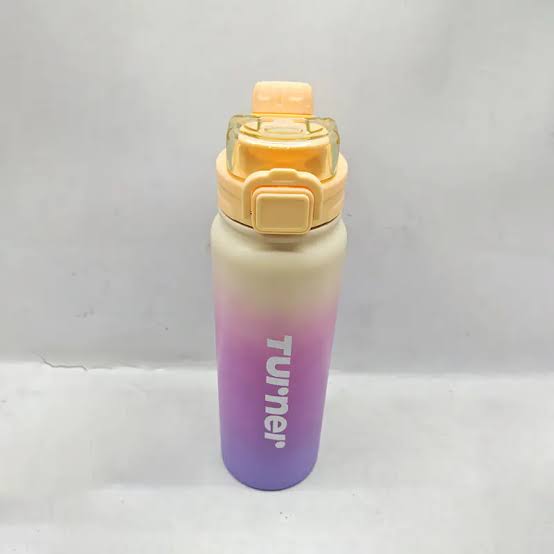
Sourcing drinkware in bulk allows retailers, wholesalers, distributors, and private-label businesses to maintain inventory and meet customer demand. However, ordering large quantities introduces an important challenge: ensuring that every product meets the same quality, appearance, and performance standards. Differences in materials, dimensions, colors, finishing, or functionality can affect customer satisfaction and create problems for businesses managing multiple sales channels.
Working with a reliable Drinkware Supplier can help businesses establish consistent product specifications and maintain quality throughout the purchasing process. From selecting raw materials to inspecting finished products, every stage of sourcing contributes to the final result. A structured quality management approach helps buyers reduce production variations, protect their brand reputation, and build dependable supply chain relationships.
1. Establish Clear Product Specifications Before Ordering
Clear product specifications are the foundation of consistency in bulk drinkware sourcing. Buyers should define exactly what they expect before requesting quotations or approving production.
A detailed specification document should include:
- Product type and model.
- Material composition and grade.
- Dimensions and capacity.
- Product weight and wall thickness.
- Color and surface finish.
- Lid design and accessories.
- Logo placement and printing requirements.
- Packaging and labeling details.
For example, if a business orders insulated stainless steel tumblers, the specifications should identify the required material, capacity, lid style, finish, and insulation performance.
Providing complete information reduces the possibility of suppliers interpreting requirements differently during manufacturing.
2. Select Materials Carefully and Maintain Approved Standards
Material variations can affect the appearance, durability, weight, and performance of drinkware products. Even small differences in raw materials may create noticeable inconsistencies across large production batches.
Businesses should identify acceptable material specifications and request supporting documentation where necessary.
Common drinkware materials include:
- Stainless steel: Used for insulated bottles, tumblers, and travel mugs.
- Glass: Common in drinking bottles, cups, and beverage containers.
- Plastic: Used for lightweight reusable bottles and promotional drinkware.
- Ceramic: Popular for coffee mugs and decorative cups.
- Silicone: Often used for seals, lids, and flexible accessories.
Buyers should confirm that the materials used in repeat orders match the approved specifications. Any proposed material substitution should be discussed and approved before production.
3. Work With a Supplier That Follows Consistent Manufacturing Procedures
Manufacturing consistency depends on how reliably production processes are controlled.
Different drinkware products require different manufacturing techniques. Stainless steel bottles may involve forming, welding, polishing, and insulation assembly, while ceramic products require shaping, glazing, and firing.
Buyers should ask suppliers how they standardize these operations.
Important areas to review include:
- Production equipment and maintenance.
- Manufacturing instructions.
- Employee training.
- Component assembly procedures.
- Production monitoring.
- Handling of defective products.
Standardized procedures help reduce unnecessary differences between individual products and manufacturing batches.
When sourcing through multiple production facilities, buyers should also confirm that each facility follows the same approved specifications and quality requirements.
4. Approve a Reference Sample Before Bulk Production
A reference sample provides a physical standard against which bulk production can be evaluated.
Before confirming a large order, buyers should request a sample that represents the proposed finished product. The sample should be inspected carefully and approved in writing.
Check the following characteristics:
- Material and construction.
- Dimensions and capacity.
- Product weight.
- Color and finish.
- Lid fit and functionality.
- Logo placement.
- Packaging quality.
Once approved, retain the sample and share its specifications with the supplier.
This reference makes it easier to identify differences during manufacturing and compare products from future orders.
For customized drinkware, a pre-production sample is particularly important because it confirms whether the approved artwork, colors, and product design can be reproduced accurately.
5. Maintain Consistent Color and Surface Finishing
Color and finishing differences are common concerns when sourcing drinkware in bulk, especially for branded products.
Variations may occur because of differences in coating materials, printing methods, production settings, or raw material batches.
Businesses should define color requirements using reliable references rather than general descriptions such as dark blue, metallic silver, or bright red.
Useful practices include:
- Providing approved color codes or physical references.
- Confirming the selected coating or printing method.
- Reviewing samples under consistent lighting.
- Checking surface texture and finish.
- Approving changes before production continues.
For large customized orders, buyers may request a production sample to confirm that the final appearance matches the approved design.
6. Ensure Consistency in Logo Printing and Branding
Branding accuracy is essential for businesses selling private-label drinkware or ordering promotional products.
A logo that appears in different positions, sizes, or colors across products can make an otherwise consistent collection look unprofessional.
To avoid these issues, buyers should provide clear artwork files and written branding instructions.
Important details include:
- Logo dimensions and placement.
- Printing or engraving method.
- Color specifications.
- Text size and alignment.
- Acceptable positioning tolerances.
- Surface preparation requirements.
Suppliers should also confirm that branding equipment and production settings are suitable for the chosen product material.
A pre-production sample should be approved before the supplier begins applying branding to the entire order.
7. Implement Quality Inspections at Every Production Stage
Checking only the finished products may not be enough to maintain consistency. Quality inspections should take place throughout the manufacturing process.
A practical inspection system includes three main stages.
Incoming Material Inspection
Raw materials and components should be checked before manufacturing begins. This helps identify incorrect materials, damaged components, or variations that could affect the finished products.
In-Process Inspection
Production checks help identify problems while manufacturing is underway. These inspections may cover dimensions, assembly, welding, coating, printing, and other relevant processes.
Final Product Inspection
Finished drinkware should be evaluated against the approved specifications before packaging and shipment.
Final checks may include appearance, dimensions, weight, lid functionality, leakage resistance, and packaging condition.
Regular inspections help identify quality problems early and reduce the likelihood of defective products reaching customers.
8. Use Standardized Testing Methods
Consistent testing procedures are important when evaluating products from different production batches.
If testing methods change between orders, the results may not provide a reliable comparison.
Businesses should agree on suitable procedures for the product features that matter most.
For example:
- Measure dimensions using consistent instruments.
- Check capacity using the same measurement method.
- Evaluate leakage resistance under defined conditions.
- Test insulation performance using controlled starting temperatures.
- Inspect surface finishing under consistent lighting.
- Assess branding against approved artwork.
For demanding performance or safety requirements, appropriate laboratory testing may be necessary.
Standardized methods provide more meaningful results and make it easier to identify changes in product quality.
9. Maintain Consistent Packaging and Labeling
Packaging is another important part of product consistency, especially for retailers and private-label brands.
Differences in box dimensions, printed artwork, protective inserts, or product labels can create problems during storage, transportation, and retail presentation.
Businesses should define packaging requirements before production begins.
These may include:
- Individual product boxes.
- Protective sleeves or inserts.
- Carton dimensions.
- Product labels and barcodes.
- Printed instructions.
- Branding and packaging colors.
- Quantity per shipping carton.
For fragile drinkware, packaging should also provide suitable protection against impact and movement during transportation.
Buyers should approve packaging samples and confirm that repeat orders follow the same requirements.
10. Keep Detailed Records of Every Bulk Order
Accurate documentation helps businesses maintain consistency across multiple purchasing cycles.
Each order should have a record of the specifications, approved samples, inspection results, and agreed production requirements.
Useful records include:
- Product specification sheets.
- Approved reference samples.
- Material documentation.
- Artwork and design files.
- Purchase orders.
- Quality inspection reports.
- Packaging specifications.
- Delivery and complaint records.
These documents provide a reference when placing repeat orders or discussing quality differences with suppliers.
They also help businesses identify recurring issues and evaluate whether product consistency is improving over time.
11. Monitor Supplier Performance Regularly
Product consistency depends partly on the supplier’s ability to maintain stable manufacturing and sourcing practices.
Businesses should review supplier performance rather than assuming that an approved first order guarantees the same results indefinitely.
Useful performance indicators include:
| Performance Indicator | What It Measures |
|---|---|
| Defect rate | Percentage of products that fail agreed quality checks |
| Specification accuracy | Whether products match approved requirements |
| On-time delivery | Whether orders arrive within agreed schedules |
| Material consistency | Whether approved materials are maintained |
| Branding accuracy | Whether printing and engraving match the design |
| Complaint frequency | How often quality problems are reported |
| Corrective action | How effectively production issues are resolved |
Regular reviews help buyers identify suppliers that consistently meet expectations and highlight areas that require improvement.
12. Manage Changes to Product Designs and Specifications
Product changes can affect consistency if they are introduced without proper communication.
A supplier may need to change a material source, production method, component, or packaging design because of availability or manufacturing constraints.
Even when a change appears minor, it may affect product dimensions, appearance, or functionality.
Businesses should establish a formal change-approval process.
A suitable procedure includes:
- The supplier explains the proposed change.
- The buyer reviews its potential impact.
- Updated specifications or samples are provided.
- Testing is conducted where necessary.
- The buyer approves or rejects the change in writing.
- Updated documents are used for future production.
This process helps prevent unapproved substitutions and protects consistency across product batches.
13. Control Quality When Ordering Multiple Product Variations
Businesses sometimes purchase drinkware in several sizes, colors, or styles within one bulk order.
Although these products may belong to the same collection, each variation may have different manufacturing requirements.
For example, different bottle capacities may require separate dimensions, while different colors may involve additional coating or finishing procedures.
Buyers should create individual specifications for each variation.
It is also useful to clarify whether minimum order quantities and production schedules apply separately to each model or color.
Organized product records help suppliers manufacture each variation correctly while maintaining consistent standards across the complete collection.
14. Plan Inventory and Repeat Orders Carefully
Consistency becomes especially important when businesses reorder products that have already been introduced to the market.
Customers may expect a replacement bottle, tumbler, or mug to look and function like the original product.
To support repeat-order consistency, buyers should maintain approved product records and confirm that suppliers use the same specifications.
Businesses should also consider production lead times and material availability when planning replenishment.
Useful practices include:
- Monitoring inventory levels.
- Identifying popular product variations.
- Scheduling repeat purchases early.
- Reviewing previous inspection reports.
- Confirming material availability.
- Keeping approved samples for comparison.
Advance planning gives suppliers more time to maintain production requirements and reduces the risk of rushed manufacturing decisions.
15. Establish Clear Procedures for Handling Defective Products
Even well-managed manufacturing operations can experience occasional defects. What matters is how quickly and effectively these issues are identified and resolved.
Buyers should agree on a procedure for reporting products that do not meet approved specifications.
The process should explain:
- How defects must be documented.
- Which inspection records are required.
- The deadline for submitting claims.
- How disputed products are evaluated.
- Whether replacements or corrective production are available.
- Who is responsible for additional costs.
Photographs, inspection reports, and retained reference samples can help establish whether a product variation falls outside the agreed quality requirements.
Clear procedures encourage accountability and make quality management more effective.
16. Use Third-Party Inspections for Large or Complex Orders
For high-value drinkware purchases, third-party inspection services can provide an additional layer of quality assurance.
An independent inspector can evaluate products against agreed specifications without relying solely on the supplier’s internal quality reports.
Depending on the order, inspection services may include:
- Raw material verification.
- During-production inspections.
- Pre-shipment inspections.
- Product functionality checks.
- Packaging and labeling verification.
- Quantity confirmation.
Buyers should define the inspection scope and acceptance criteria before production begins.
Third-party inspections do not replace the need for good supplier management, but they can provide additional confidence when ordering large quantities or customized products.
17. Build a Long-Term Quality Partnership With Suppliers
Maintaining product consistency is easier when buyers and suppliers communicate regularly and share clear expectations.
Long-term cooperation allows both parties to understand product requirements, identify recurring manufacturing challenges, and improve quality procedures.
Businesses can strengthen these relationships by:
- Sharing accurate specifications.
- Providing timely sample feedback.
- Communicating changes early.
- Reviewing inspection results together.
- Discussing production improvements.
- Planning repeat orders in advance.
A supplier that understands a buyer’s quality expectations can coordinate production more effectively and support consistent product delivery as purchasing volumes increase.
Conclusion
Maintaining product consistency when sourcing drinkware in bulk requires careful planning, clear specifications, reliable manufacturing processes, and regular quality inspections. Buyers should establish approved material standards, retain reference samples, verify branding, and use consistent testing procedures to evaluate every production batch.
Documentation, supplier performance reviews, and controlled approval of product changes also help prevent unnecessary variations between orders. For large or customized purchases, independent inspections can provide additional assurance before shipment.
By making quality consistency a priority throughout the sourcing process, retailers, wholesalers, and private-label businesses can protect their product standards, improve customer satisfaction, and develop more reliable long-term supplier relationships.
