

Goalkeeping is a position that demands quick reactions, strong concentration, and confident hand movements. For young players, having the right equipment can make training more comfortable while helping them develop better habits on the field.
Gloves are one of the most important pieces of equipment for any goalkeeper. The right pair should provide a comfortable fit, suitable grip, and protection that matches the player’s age and playing needs. Parents and coaches should consider several factors before choosing a pair.
Why Goalkeeper Gloves Matter
A goalkeeper’s hands are involved in almost every important moment near the goal. From catching crosses to stopping powerful shots, the gloves need to support the player through a variety of movements.
Good goalkeeper gloves can provide grip and help protect the hands during regular training and matches. However, not every glove is suitable for every player. Age, hand size, playing style, conditions, and experience should all be considered.
A glove that feels comfortable can also allow a young player to concentrate more on technique and less on adjusting their equipment.
Understanding Finger Protection
Young goalkeepers can benefit from additional support around the fingers, particularly while they are learning how to position their hands correctly. Finger protection features are designed to help reduce excessive finger movement during certain situations.
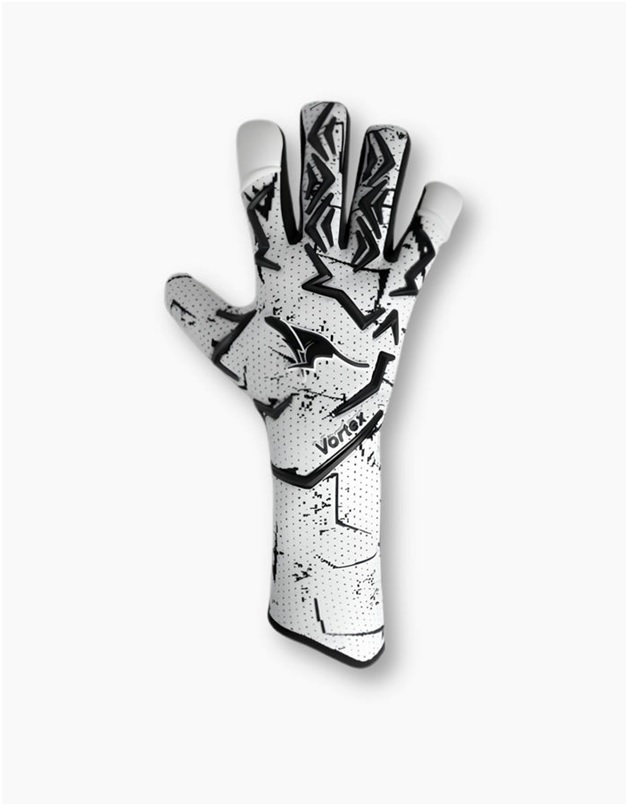
Junior goalkeeper gloves with finger protection may be worth considering for young players who want additional support while developing their goalkeeping skills. The level of protection and construction can vary between glove designs, so parents should review the product information carefully.
Finger protection should not replace proper technique. Players still need to learn how to catch, parry, punch, and position their hands correctly.
Finding the Right Fit
Fit is one of the most important factors when buying goalkeeper gloves. A glove should feel secure without being excessively tight.
If the gloves are too large, a young player may have difficulty controlling the ball. Excess space around the fingertips can also affect how the player catches and handles the ball.
If the gloves are too small, they may restrict natural movement and become uncomfortable during longer training sessions.
Checking the manufacturer’s sizing information before purchasing can help parents choose a more suitable option.
Grip and Ball Control
Grip plays an important role in goalkeeping. Players need to feel confident when catching and holding the ball, particularly when facing fast shots.
The performance of the palm can vary depending on weather, ball condition, playing surface, and glove care. Players should understand these factors and maintain their gloves properly.
Cleaning the gloves according to the manufacturer’s recommendations and storing them appropriately can help preserve their condition.
Comfort for Young Players
Young goalkeepers may spend several hours each week practising their skills. Comfort is therefore an important consideration when selecting gloves.
The glove should allow natural finger movement and provide a secure wrist fit. A comfortable design can make training sessions more enjoyable and help players focus on improving their technique.
Young players are still developing their preferences, so allowing them to consider how a glove feels can also help them become more confident in choosing their own equipment.
Choosing Finger Protection Carefully
Finger protection can be useful, but it should match the player’s requirements. Some young goalkeepers may prefer the additional support, while others may value flexibility and freedom of movement.
When comparing junior goalkeeper gloves with finger protection, parents and coaches should consider the player’s age, hand size, experience, and typical playing environment.
It is also useful to understand whether the protection is removable or fixed, depending on the design. This can give players more flexibility as their skills and preferences develop.
Considering Training and Match Conditions
The environment in which gloves are used can affect their performance. Outdoor matches may involve wet or dry conditions, while indoor training can provide a different playing surface and ball response.
Players should think about where they spend most of their time playing before choosing their gloves. A pair used frequently for training may also need to withstand regular use and cleaning.
Understanding these practical details can make the selection process easier.
Looking After Goalkeeper Gloves
Proper care can make a significant difference to the lifespan of gloves. Dirt and other material can build up on the palm during regular use, potentially affecting its condition.
Players should follow the manufacturer’s cleaning instructions and avoid storing wet gloves in unsuitable conditions. Allowing them to dry appropriately after use can help maintain their quality.
Good care is particularly important for young players who may use the same gloves regularly throughout a season.
Helping Young Keepers Play With Confidence
The right equipment can support a young goalkeeper’s development, but confidence ultimately comes from practice and experience. Regular training helps players understand positioning, hand placement, movement, and decision making.
Suitable goalkeeper gloves can complement this development by providing the grip, comfort, and protection needed for regular practice.
Parents and coaches can support young players by helping them select equipment that fits properly and matches their individual needs. With comfortable gloves and consistent training, young goalkeepers can focus on improving their skills and enjoying the game.
