

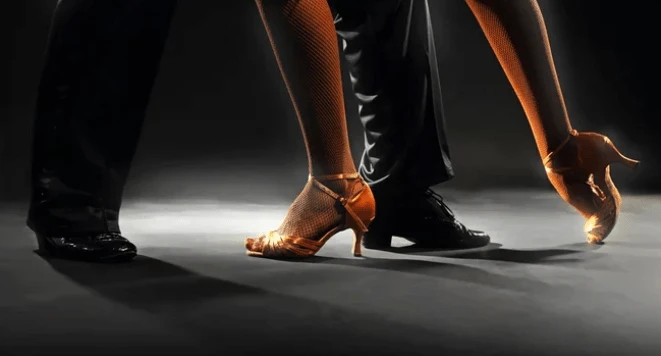
Heel height plays an important role in Latin dancing, influencing balance, posture, foot placement, and overall movement. Whether you are practicing the cha-cha, rumba, samba, or salsa, the right heel can help you move with greater control and confidence. However, choosing an appropriate height involves more than personal preference or appearance. Your experience, foot structure, ankle strength, and dance technique all contribute to finding a suitable option.
When exploring Custom Latin Dance Shoes, consider how different heel heights affect your comfort and performance. Personalized footwear can offer options that better match your requirements, but the ideal choice should always support natural movement and stability. Understanding the differences between heel styles can help you make a more informed decision before placing an order.
Why Heel Height Matters in Latin Dancing
Latin dance movements often involve quick weight transfers, controlled pivots, pointed toes, and precise foot articulation. Heel height changes how weight is distributed across the foot, which can influence the way a dancer maintains balance and executes these movements.
A heel that suits your technique may help you achieve a comfortable dancing position and maintain consistent control. On the other hand, a heel that is too high or poorly positioned can make balance more challenging and place additional demands on the ankles and forefeet.
The goal is not to choose the highest heel available. Instead, select a height that complements your skill level, movement patterns, and physical comfort.
Understand the Different Heel Heights
Latin dance shoes are available in several heel heights and profiles. Exact measurements vary by manufacturer, shoe model, and design, so it is helpful to review the specifications before ordering.
Low Heels for Beginners
Lower heels can be a practical option for dancers who are learning basic technique or adjusting to specialized dance footwear. They may feel more manageable for those who are still developing ankle strength, balance, and confidence with turns.
These heels can also suit dancers who prioritize stability or prefer a less elevated position. However, comfort depends on the entire shoe design, including heel placement, sole flexibility, and fit.
Medium Heels for Versatility
Medium-height heels offer a balance between elevation and manageability for many dancers. They may suit regular practice, social dancing, and performers who want a moderate heel without choosing an especially high profile.
This option can be useful for dancers who participate in multiple Latin styles. Nevertheless, the best height depends on individual technique rather than a universal standard.
High Heels for Experienced Dancers
Higher heels are often associated with competitive Latin dancing and particular performance aesthetics. They can change leg lines and foot positioning, but they may also increase pressure on the forefoot and require greater control.
Dancers who are accustomed to higher heels should still evaluate stability, comfort, and suitability for their choreography. Increasing heel height does not automatically improve technique or performance quality.
Consider Your Experience and Skill Level
Your current experience should be one of the first factors you evaluate. Beginners generally benefit from footwear that allows them to focus on learning rhythm, posture, and footwork without struggling to maintain balance.
As your technique develops, you may discover that a different heel height better supports your movements. Experienced dancers often have established preferences based on training, choreography, and the demands of their chosen discipline.
When considering a change, increase the height gradually rather than moving immediately to a significantly taller heel. Practice basic steps and controlled turns first, allowing time to assess how the new design feels.
Match Heel Height to Your Dance Style
Although many Latin dance shoes can be used across multiple disciplines, the demands of different dances may influence heel preferences.
- Cha-cha: Precise foot placement and quick directional changes make balance and controlled weight transfer important.
- Rumba: Smooth movements and deliberate weight shifts benefit from footwear that allows controlled articulation through the feet.
- Samba: Energetic steps and repeated weight changes require a secure fit and dependable stability.
- Salsa: Rapid turns and changes in direction call for comfortable footwear that supports controlled rotation.
These are general considerations rather than strict rules. Your instructor, technique, choreography, and performance environment may influence which heel height works best for you.
Evaluate Balance, Stability, and Heel Placement
Heel height alone does not determine stability. The shape, position, and construction of the heel also affect how a shoe feels during movement.
A well-positioned heel should provide a predictable base of support while allowing the foot to move naturally. If the heel feels unstable, shifts unexpectedly, or makes turning difficult, the design may not be suitable for your needs.
Consider how the heel interacts with the rest of the shoe. A secure upper, correctly fitted straps, and an appropriate sole all contribute to overall control.
If possible, test the footwear through basic dance movements before using it in a demanding practice session or performance.
Choose a Heel That Fits Your Foot Structure
Foot anatomy can influence how comfortable a particular heel height feels. Arch shape, forefoot width, ankle mobility, and previous fitting difficulties may affect your experience.
Higher heels generally shift more body weight toward the forefoot, which can increase pressure in that area. Dancers who experience recurring forefoot discomfort may need to consider a lower heel, improved fit, or a different shoe design.
The shoe should also accommodate your heel and instep securely. A heel that suits one dancer may feel uncomfortable or unstable for another because foot shapes and movement patterns differ.
If you have persistent pain, a history of foot or ankle injuries, or concerns about limited mobility, seek advice from a qualified healthcare professional before making significant changes to your dance footwear.
Pay Attention to Sole Flexibility and Support
Heel height should be evaluated alongside sole construction. Latin dance shoes often use flexible soles that allow dancers to point their feet and articulate their movements, while the heel provides a specific position for weight transfer.
Too much rigidity may restrict natural movement, while inadequate structure can make the shoe feel less secure. The ideal balance depends on your technique, experience, and the surface on which you dance.
Suede soles are commonly used for indoor dancing because they can provide controlled traction for pivots. However, sole performance depends on floor conditions and maintenance. Make sure the complete shoe design is suitable for your regular dance environment.
Prioritize Comfort Over Appearance
A visually appealing heel may not be the right choice if it causes discomfort or makes movement difficult. Comfort is particularly important during long rehearsals, competitions, and sessions involving repeated turns or sustained forefoot pressure.
When trying a new heel height, pay attention to pressure around the toes, the ball of the foot, and the ankle. Check whether the straps hold your foot securely without pinching or allowing excessive movement inside the shoe.
Mild unfamiliarity may occur when adjusting to a different design, but sharp pain, numbness, or persistent discomfort should not be ignored. Do not rely on a break-in period to resolve a fundamentally unsuitable fit.
Common Mistakes When Choosing Heel Height
A few common errors can make it harder to find footwear that supports your dancing needs.
- Choosing based only on appearance: A heel should complement your performance style while remaining practical for your technique.
- Increasing height too quickly: Sudden changes may make balance and control more difficult.
- Ignoring forefoot pressure: Higher heels can increase loading on the front of the foot, especially during extended sessions.
- Overlooking heel placement: A suitable height may still feel unstable if the heel’s position or shape does not suit your movement.
- Assuming one height works for every dance: Your preferred heel may vary depending on choreography and the demands of a particular performance.
- Ignoring persistent discomfort: Pain can indicate an unsuitable fit or another issue that needs professional assessment.
Taking a measured approach can help you identify a heel height that feels secure and supports consistent technique.
Questions to Ask Before Ordering Custom Dance Shoes
Before finalizing an order, clarify the heel options available and determine which measurements or design features can be personalized.
Ask the manufacturer about the exact heel height, heel shape, sole material, and fitting process. If you have a preferred pair of dance shoes, explaining what works well or poorly about them may help communicate your requirements.
You should also confirm whether the selected heel is appropriate for your intended dance style and experience level. Understanding these details beforehand can reduce uncertainty and help you choose a more suitable design.
How to Adjust to a New Heel Height
Even when a new pair fits correctly, a different heel height can change your familiar movement patterns. Begin with short practice sessions on an appropriate dance floor and focus on posture, controlled weight transfers, and basic steps.
Gradually introduce turns and more complex movements as you become comfortable. Avoid using unfamiliar footwear for an important performance before you have had enough time to assess its fit and handling.
After each session, evaluate comfort and stability. If the shoes repeatedly cause pain or interfere with your technique, reconsider the heel height or seek professional fitting advice.
Final Thoughts
Selecting the right heel height for Latin dance shoes involves balancing comfort, stability, technique, and personal preference. Lower heels may provide a manageable starting point for beginners, while medium and higher heels can suit different needs as experience and individual preferences develop.
Before placing an order, consider your foot structure, preferred dance styles, skill level, and performance requirements. Evaluate heel placement and sole construction alongside height, and never sacrifice comfort for appearance. With careful selection and gradual practice, you can find footwear that supports confident movement and helps you concentrate on the rhythm, precision, and expression of Latin dancing.
