

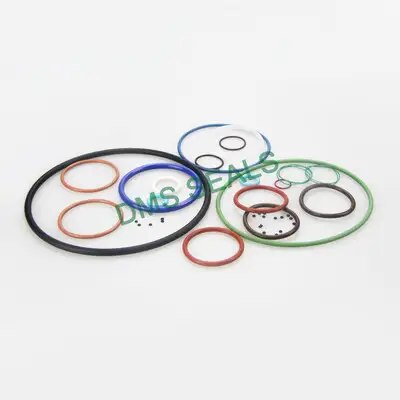
O-rings are essential sealing components used across a wide range of industries to prevent the leakage of liquids and gases. Despite their simple circular design, they perform important functions in equipment exposed to varying temperatures, pressures, chemicals, and operating conditions. From manufacturing facilities and automotive systems to aerospace equipment and hydraulic machinery, the right sealing solution helps maintain operational efficiency and equipment reliability.
Working with an experienced O-Ring Supplier can make it easier for businesses to identify products that meet their specific technical requirements. Different industries have different sealing challenges, and a knowledgeable supplier understands that material selection, dimensions, durability, and application conditions must all be considered. This industry-focused approach helps businesses make informed purchasing decisions and avoid unnecessary equipment maintenance.
Understanding the Different Requirements of Industrial Applications
Not every O-ring is suitable for every application. Factors such as operating pressure, temperature fluctuations, chemical exposure, friction, and environmental conditions influence how a sealing component performs.
An experienced supplier evaluates these factors before recommending a suitable product. This is particularly important for businesses operating specialized equipment where an unsuitable seal may cause leakage, component damage, or production interruptions.
Some of the main considerations include:
- Operating temperature and thermal fluctuations.
- Exposure to oils, fuels, chemicals, and other fluids.
- Static or dynamic sealing conditions.
- Pressure levels and potential pressure variations.
- Required dimensions, tolerances, and compression characteristics.
Understanding these requirements allows suppliers to support customers across different industrial sectors.
Supporting the Automotive Industry
The automotive industry uses O-rings in numerous systems, including engines, fuel systems, air conditioning units, transmissions, and hydraulic components.
These applications often expose seals to oils, fuels, temperature changes, and mechanical vibration. Selecting the wrong material can result in swelling, hardening, or deterioration over time.
Experienced suppliers help automotive manufacturers and maintenance professionals identify suitable materials based on the operating environment. Nitrile rubber (NBR), for example, is commonly used where resistance to petroleum-based oils and fuels is required, while fluorocarbon (FKM) may be suitable for applications involving higher temperatures and more demanding fluid exposure.
Correct dimensions and material compatibility are essential for maintaining dependable automotive sealing performance.
Meeting Hydraulic and Pneumatic System Requirements
Hydraulic and pneumatic systems depend on effective sealing to maintain pressure and prevent fluid or air leakage. O-rings are commonly installed in pumps, cylinders, valves, connectors, and other system components.
Hydraulic applications may involve high pressures, continuous operation, and exposure to specialized fluids. Pneumatic systems have different requirements, particularly regarding air retention, friction, and repeated movement.
A knowledgeable supplier can help customers consider:
- Pressure and temperature operating ranges.
- Material compatibility with hydraulic fluids.
- Seal dimensions and gland design.
- Resistance to extrusion and deformation.
- Suitability for static or dynamic applications.
These considerations help businesses select sealing components that match their equipment specifications.
Providing Solutions for the Oil and Gas Industry
Oil and gas operations involve challenging environments where sealing components may encounter hydrocarbons, aggressive chemicals, elevated temperatures, and significant pressure variations.
O-rings used in this sector must be selected carefully to meet the specific demands of the equipment and operating environment.
Fluorocarbon materials are commonly considered for applications requiring resistance to oils, fuels, and elevated temperatures. Other specialized elastomers may be necessary depending on chemical exposure, gas composition, and pressure conditions.
An experienced supplier can help evaluate material compatibility and identify whether standard products or application-specific sealing solutions are more appropriate. For critical equipment, customers should also verify relevant industry qualifications and testing requirements.
Supporting Food and Beverage Processing
Food and beverage manufacturing facilities require sealing components that are compatible with their processing environments and applicable hygiene regulations.
O-rings may be used in pumps, valves, pipelines, mixing equipment, and fluid-handling systems. Depending on the application, seals may be exposed to water, cleaning agents, elevated temperatures, and repeated sanitation procedures.
Suppliers serving this industry should understand the importance of selecting appropriate material grades and providing supporting compliance documentation where required.
Silicone and EPDM are among the materials used in certain food-processing applications, but the correct choice depends on the specific food contact conditions, cleaning chemicals, and temperature requirements.
Addressing Aerospace and Aviation Requirements
Aerospace applications demand careful attention to sealing reliability because equipment may operate under substantial temperature variations, pressure changes, vibration, and strict performance requirements.
O-rings can be used in fuel systems, hydraulic assemblies, landing gear components, and other aircraft systems.
An experienced supplier supporting aerospace-related applications should understand the importance of precise dimensions, material traceability, consistent manufacturing quality, and relevant industry specifications.
Material selection must be based on the actual operating conditions and applicable aerospace requirements rather than general-purpose sealing recommendations.
Supporting Chemical Processing Facilities
Chemical processing environments can expose sealing components to solvents, acids, alkalis, and other aggressive substances.
An O-ring that performs effectively in a water-based system may deteriorate quickly when exposed to incompatible chemicals. This makes material compatibility one of the most important considerations in chemical manufacturing.
Suppliers can assist by evaluating chemical exposure, operating temperatures, and pressure conditions before suggesting an appropriate material.
PTFE, EPDM, and specialized fluorocarbon compounds may be considered for different chemical applications. However, compatibility must always be verified against the specific chemical concentration, temperature, and operating conditions.
The Importance of Material Selection Across Industries
Material selection is one of the most valuable areas where an experienced supplier can provide assistance. Different elastomers offer distinct performance characteristics, making it important to match the material to the intended application.
Common options include:
| Material | Common Characteristics | Typical Applications |
|---|---|---|
| NBR | Oil and fuel resistance | Automotive and hydraulic systems |
| FKM | Heat and chemical resistance | Oil and gas, automotive |
| EPDM | Weather, water, and steam resistance | Water systems and industrial equipment |
| Silicone | Broad temperature flexibility | Food processing and specialized equipment |
| PTFE | Chemical resistance and low friction | Chemical processing and demanding industrial applications |
These are general characteristics rather than universal performance guarantees. Actual suitability depends on the material formulation and operating conditions.
How Technical Support Improves Industrial Procurement
Industrial buyers often face challenges when selecting replacement seals or sourcing components for specialized machinery. Incorrect dimensions, unsuitable materials, and incomplete specifications can create unnecessary delays.
An experienced supplier helps simplify this process by offering technical information and guidance throughout product selection.
This support may include reviewing drawings, identifying standard dimensions, discussing material alternatives, and explaining relevant operating limitations.
Technical assistance is especially useful when replacing discontinued components or sourcing seals for equipment with unusual specifications.
Benefits of Building a Long-Term Supplier Relationship
Establishing a consistent relationship with a dependable sealing supplier can offer several operational advantages.
More consistent product quality: Working with a supplier that follows established quality procedures helps reduce variations between orders.
Simplified procurement: Familiarity with recurring product requirements can make repeat purchasing more efficient.
Better technical communication: Long-term working relationships help suppliers understand equipment specifications and application challenges.
Improved inventory planning: Reliable communication about availability and delivery schedules supports maintenance planning.
Reduced sourcing complexity: Access to multiple materials, dimensions, and product options can reduce the need to coordinate with several vendors.
These benefits are particularly relevant to manufacturers and maintenance teams that regularly purchase sealing components.
Conclusion
An experienced O-ring supplier plays an important role in supporting the different sealing requirements of modern industries. Automotive, hydraulic, oil and gas, aerospace, food processing, and chemical manufacturing applications all present unique challenges that require appropriate material selection and technical understanding.
By considering operating conditions, product specifications, manufacturing quality, and application compatibility, businesses can make better purchasing decisions. Working with a knowledgeable supplier also helps simplify procurement, improve maintenance planning, and support the dependable performance of industrial equipment.
