

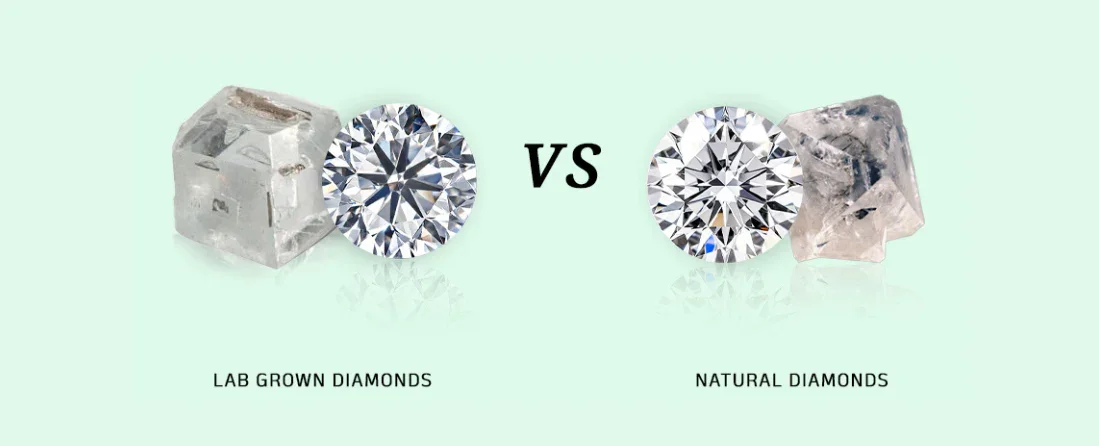
Custom jewelry production has become increasingly popular as consumers look for unique designs, personalized details, and diamonds that match their individual preferences. For jewelry retailers, wholesalers, and independent brands, offering customized diamond products can create new business opportunities and help differentiate their collections in a competitive market.
Lab-grown diamonds make customization particularly interesting because they are available in various shapes, sizes, colors, and quality grades. However, turning a design concept into a finished product requires careful planning and cooperation with the right manufacturing partner. Understanding what to expect during this process can help businesses avoid unnecessary delays, manage costs, and achieve the desired results.
Working with an experienced Lab Grown Diamond Manufacturer can provide access to specialized production capabilities, customized diamond specifications, and technical guidance throughout the sourcing process.
1. Initial Consultation and Requirement Discussion
The first stage of a custom manufacturing project usually involves discussing your requirements with the manufacturer. This conversation establishes the project’s scope and helps both parties understand the expected outcome.
You may need to provide information about the type of jewelry you want to develop, your preferred diamond specifications, and your target budget.
Important details to discuss include:
- Desired diamond shapes and sizes.
- Preferred carat weights.
- Color and clarity requirements.
- Expected order quantities.
- Intended jewelry applications.
- Target pricing and production timelines.
Providing clear information from the beginning helps manufacturers determine whether they can meet your expectations and recommend suitable production options.
2. Understanding Available Customization Options
One of the main advantages of working with a custom manufacturer is the ability to select diamonds according to specific requirements.
Instead of choosing only from standard inventory, businesses may request particular dimensions, shapes, and grading combinations.
Custom Diamond Shapes
Manufacturers may offer several diamond shapes, including:
- Round brilliant
- Oval
- Emerald
- Pear
- Princess
- Cushion
- Marquise
- Radiant
- Heart
The appropriate shape depends on the intended jewelry design and the preferences of the target customer.
Custom Sizes and Carat Weights
Some jewelry designs require diamonds with precise measurements rather than standard carat weights. This is particularly important when developing engagement rings, matching earrings, or jewelry pieces with multiple stones.
Discuss the required dimensions with your manufacturer before production begins.
Color and Clarity Selection
Custom manufacturing may also allow businesses to select specific color and clarity grades.
These choices influence the diamond’s appearance and purchasing cost. Manufacturers can help identify suitable combinations based on the intended design and budget.
3. Choosing Between CVD and HPHT Manufacturing
Custom lab-grown diamonds are primarily produced through two methods: Chemical Vapor Deposition (CVD) and High Pressure High Temperature (HPHT).
Understanding the differences can help you discuss production requirements more effectively.
Chemical Vapor Deposition (CVD)
CVD technology grows diamonds inside a controlled chamber using carbon-containing gases. Carbon atoms gradually deposit onto a diamond seed, forming a larger crystal.
This process allows manufacturers to manage growth conditions and produce diamonds in different sizes and specifications.
High Pressure High Temperature (HPHT)
HPHT manufacturing uses specialized equipment to recreate the high-pressure and high-temperature conditions associated with natural diamond formation.
A carbon source and diamond seed are exposed to carefully controlled conditions, allowing carbon to crystallize into a diamond.
Both methods produce genuine diamonds. The most appropriate option depends on production capabilities, required specifications, and the characteristics of the finished stone.
4. Design Approval and Technical Specifications
Once the basic requirements are established, the manufacturer may prepare detailed product specifications for approval.
For custom jewelry projects, this stage is especially important because even small differences in diamond dimensions can affect the final design.
Depending on the project, technical documentation may include:
- Diamond measurements and proportions.
- Shape and cutting requirements.
- Carat weight targets.
- Color and clarity specifications.
- Setting compatibility.
- Quantity and matching requirements.
Review these details carefully before authorizing production. Any changes made after manufacturing begins may increase costs or extend the delivery timeline.
5. Sample Development and Quality Evaluation
Before proceeding with a large order, requesting samples is a practical way to evaluate the manufacturer’s capabilities.
Samples allow you to examine the actual diamonds and determine whether they match the agreed specifications.
During inspection, pay attention to:
Cutting quality: Check the proportions, symmetry, and overall appearance of the stone.
Polishing: Examine whether the diamond has a smooth and well-finished surface.
Color and clarity: Compare the actual stone with the requested grading specifications.
Measurements: Confirm that the dimensions are suitable for your intended jewelry design.
For more complex projects, you may also request a prototype or sample jewelry piece to evaluate how the diamonds work with the proposed setting.
6. Understanding Custom Manufacturing Costs
Custom orders may involve different costs from standard diamond purchases. Pricing depends on the diamond specifications, manufacturing requirements, order quantity, and additional services.
Several factors can influence the final quotation.
Diamond Quality
Carat weight, color, clarity, and cut quality all contribute to the overall price. More specific grading requirements may affect availability and production costs.
Shape and Cutting Complexity
Some diamond shapes require specialized cutting techniques and additional processing. Customized dimensions may also influence material usage and production time.
Order Quantity
The number of diamonds required can affect the quotation. Manufacturers may offer different pricing arrangements depending on order volume.
Certification and Additional Services
Independent grading reports, specialized inspection, packaging, and other requested services may involve additional charges.
Always request a detailed quotation that clearly separates diamond costs, customization charges, certification fees, and shipping expenses.
7. Production Timelines and Order Scheduling
Custom diamond production generally requires more coordination than selecting stones from existing inventory.
The timeline may depend on crystal availability, growth requirements, cutting complexity, quality inspection, and order quantity.
Manufacturers should provide an estimated production schedule and explain the expected completion dates for different stages.
It is also useful to ask about potential delays and how production updates will be communicated.
If you are preparing for a product launch, seasonal collection, or retail event, share your deadline early so the manufacturer can assess whether it is realistic.
8. Quality Control Throughout Production
Quality assurance should remain a priority from the beginning of manufacturing until the finished diamonds are ready for delivery.
A professional manufacturer should have procedures for checking diamond characteristics and identifying defects at different production stages.
These inspections may cover:
- Rough crystal condition.
- Internal inclusions and growth characteristics.
- Cutting accuracy and symmetry.
- Surface polishing.
- Final measurements and weight.
- Color and clarity specifications.
For custom orders, quality control should also confirm that the delivered diamonds match the approved requirements.
Establishing clear quality expectations before production helps minimize disagreements when the order is completed.
9. Certification and Product Documentation
Documentation is particularly important when purchasing customized lab-grown diamonds for resale.
Independent gemological reports can provide information about the diamond’s identity and grading characteristics.
Depending on the stone and service requested, documentation may include carat weight, measurements, color, clarity, and cut-related details.
Before placing an order, ask the manufacturer which documentation is included and whether certification is available for individual stones.
Make sure all grading information accurately corresponds to the supplied diamonds. This helps maintain transparency and supports accurate product descriptions when selling to customers.
10. Communication and Project Management
Clear communication is essential when working on customized manufacturing projects. Multiple decisions may need approval, and changes to specifications can influence production schedules and costs.
A dependable manufacturer should provide regular updates and communicate any issues that could affect the agreed requirements.
You should establish clear expectations regarding:
- Main communication channels.
- Production progress updates.
- Design and specification approvals.
- Changes to order requirements.
- Quality-related concerns.
- Delivery and replacement procedures.
Keeping written records of important discussions can also help prevent misunderstandings.
11. Packaging, Shipping, and Final Delivery
After production and final inspection, the manufacturer prepares the diamonds for shipment.
Proper packaging is necessary to protect the stones and ensure that individual products remain correctly identified throughout transportation.
Before dispatch, confirm the following details:
- Final order quantity.
- Diamond specifications and documentation.
- Packaging and identification labels.
- Shipping method and estimated delivery date.
- Shipment tracking availability.
- Customs and import documentation, where applicable.
Once the order arrives, inspect the diamonds promptly and compare them with the approved specifications.
Any discrepancies should be reported according to the supplier’s agreed complaint or replacement policy.
12. Building a Long-Term Custom Manufacturing Partnership
A successful custom manufacturing relationship can provide advantages beyond a single order.
As a jewelry business develops, its requirements may change. New collections, different customer preferences, and increased purchasing volumes can create additional production needs.
Working with a manufacturer that understands your product standards can make future orders easier to manage.
To develop a productive relationship:
- Maintain detailed records of approved specifications.
- Provide clear feedback after receiving orders.
- Discuss future production requirements in advance.
- Review pricing and delivery arrangements regularly.
- Establish consistent quality expectations.
- Maintain open communication about new designs and product ideas.
A long-term partnership built on transparency and realistic expectations can improve sourcing efficiency and support business growth.
Common Mistakes to Avoid When Ordering Custom Lab Grown Diamonds
Although customization offers flexibility, certain mistakes can create unnecessary complications.
Avoid the following issues:
- Providing incomplete diamond specifications.
- Approving production without reviewing technical details.
- Skipping sample inspections.
- Choosing a supplier based only on the lowest quotation.
- Overlooking certification and documentation requirements.
- Failing to confirm production timelines.
- Making major design changes after production begins.
- Ignoring return, replacement, and quality policies.
Taking time to address these points before placing an order can help ensure a smoother manufacturing experience.
Conclusion
Working with a custom lab-grown diamond manufacturer involves several stages, from initial consultations and diamond selection to production, quality inspection, and final delivery. Each stage requires clear communication and careful attention to specifications.
For jewelry businesses, customization offers an opportunity to develop distinctive collections and serve customers with more specific design preferences. However, achieving consistent results depends on choosing a manufacturer with suitable technical capabilities, transparent pricing, dependable quality control, and effective communication.
By understanding the process and establishing clear expectations from the beginning, businesses can reduce sourcing risks, manage production more effectively, and build manufacturing relationships that support long-term success.
