

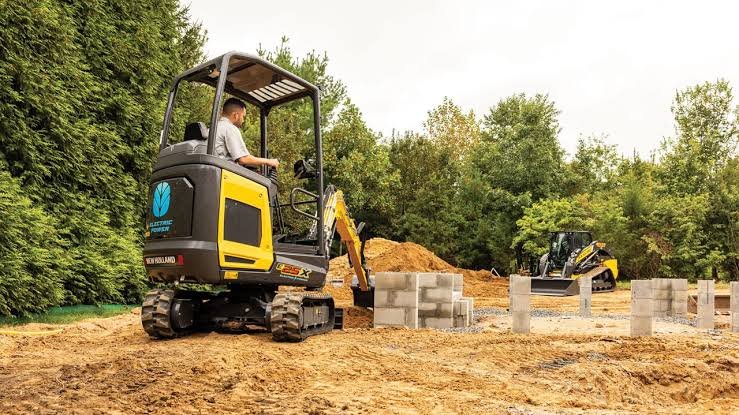
Utility and trenching projects require careful planning because excavation work often takes place near existing infrastructure, within restricted areas, or along routes that must remain accessible. Contractors may need to create trenches for drainage, install selected services, undertake repairs, or prepare ground for infrastructure improvements. These activities require equipment that can perform the necessary digging while supporting safe work practices and efficient site coordination.
An electric mini excavator for sale may be suitable for selected utility and trenching applications where compact equipment and battery-powered operation align with the working conditions. Contractors should assess the required trench dimensions, soil characteristics, access restrictions, machine performance, battery arrangements, and support availability before purchasing. The equipment must be capable of performing the planned work without exceeding its specified limitations.
Define the Trenching Requirements
Before choosing a machine, contractors should establish the dimensions and layout of the trench. Requirements may include trench depth, width, length, soil removal, access, and the sequence of installation activities.
Different utility projects may have different excavation requirements. A shallow drainage trench may demand different machine capabilities from a deeper excavation or a project involving difficult ground.
The project plan should identify the expected soil conditions, relevant drawings, and other information needed to establish the excavation method. Equipment selection should follow this assessment rather than be based solely on the general description of trenching work.
Consider Underground Services
Utility and trenching projects frequently involve existing underground infrastructure. Contractors may encounter electrical cables, water pipes, drainage systems, telecommunications installations, or other services.
Before excavation, appropriate utility locating and site procedures should be followed. The contractor should understand the location of existing services and establish suitable precautions.
Compact equipment does not eliminate underground hazards. The excavation method, machine positioning, operator competence, and site controls must be planned carefully.
Evaluate Digging Depth and Performance
The machine should have sufficient digging depth, reach, bucket capacity, and digging performance for the intended trench dimensions and ground conditions.
Contractors should compare the specifications with the actual project requirements. They should also consider how the machine will be positioned along the trench and whether its reach supports the planned work sequence.
Soil conditions can influence excavation performance. Compacted or difficult ground may require different operating methods from softer materials, and the machine must remain within its specified capabilities.
Plan Material Handling
Excavated soil needs to be managed as part of the trenching operation. Contractors should determine where material will be placed, how it will be removed, and whether other equipment or transport arrangements are required.
Restricted sites may have limited space for spoil piles, machinery, installation materials, and workers. The excavation plan should account for these constraints.
Efficient material handling can help reduce unnecessary repositioning and improve coordination. However, contractors must maintain appropriate clearance and follow site safety procedures.
Consider Electric Operation in Utility Work
Battery-powered excavators may offer practical characteristics for selected utility projects, particularly where direct exhaust emissions or operating noise are relevant.
They do not produce direct exhaust emissions during normal electric operation. This may be useful for certain maintenance activities near occupied buildings or selected enclosed environments, subject to site assessment.
Electric equipment may also operate more quietly than some comparable conventional machinery, but actual noise depends on the machine and work activity. Contractors should consider the complete operating environment.
Evaluate Battery and Charging Requirements
Utility projects may involve extended operating periods or work at locations where charging access is limited. Contractors should determine the expected operating duration, charging time, electrical requirements, and available charging locations.
The machine’s workload should be considered when evaluating battery performance. Continuous digging may consume energy differently from intermittent work or movement between excavation locations.
Charging arrangements should be established before the equipment is deployed. If the machine is expected to work at several sites, the contractor should consider how transport and charging will be coordinated.
Coordinate Installation and Excavation Activities
Trenching is often part of a larger work sequence involving installation, inspection, testing, backfilling, and surface restoration.
Contractors should coordinate the excavator’s use with other personnel and equipment. The work plan should establish access, excavation timing, material placement, and the sequence of activities.
Communication between the excavation team and installation personnel can help reduce delays and avoid unnecessary reopening of completed sections.
Review Maintenance and Supplier Support
Before purchase, contractors should examine maintenance requirements, warranty coverage, service availability, replacement parts, battery support, and technical documentation.
Utility projects may depend on equipment being available according to planned schedules. Understanding how service support is accessed can help businesses manage equipment-related interruptions.
Conclusion
Electric mini excavators may support selected utility and trenching projects when their digging capability, compact dimensions, battery arrangements, and operating characteristics suit the site. Contractors should evaluate trench requirements, underground services, soil conditions, material handling, charging, and work coordination before purchase. A thorough assessment helps ensure that the machine supports the project safely and efficiently rather than becoming a limitation during excavation.
