

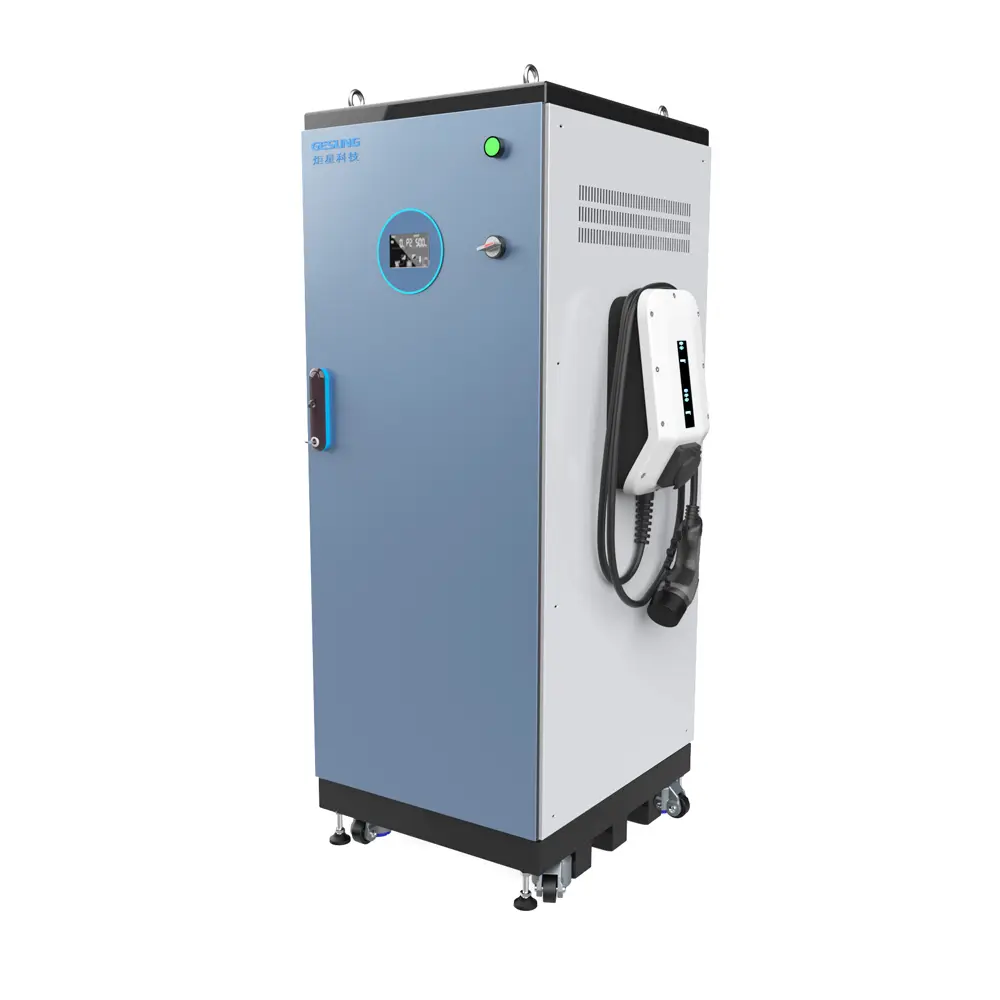
Energy requirements can change as a property grows, new equipment is installed, or electricity consumption patterns shift. A storage system that meets today’s needs may not provide enough capacity several years later. Modular battery designs address this challenge by allowing energy storage to be arranged in separate units that can work together within a compatible system.
A Modular Power Wall is a battery storage arrangement built from individual modules that are combined to provide a larger energy capacity. Depending on the product, modules may be connected in parallel or arranged through a manufacturer-approved system architecture. This approach can give users more flexibility when planning storage for homes, offices, workshops, and commercial facilities.
What Does Modular Storage Mean?
A conventional battery system may be supplied as one integrated unit with a fixed capacity. A modular arrangement divides storage into separate battery modules that are designed to operate as part of a larger system.
The modules may share a common battery management and control arrangement, communicate with a compatible inverter, and use specified connections to coordinate charging and discharging. The permitted number of modules and connection method depend on the product.
Modularity does not mean that any battery can be added to any existing installation. Voltage, chemistry, firmware, communication protocols, current limits, and manufacturer approval all need to match.
1. Capacity That Can Be Planned in Stages
One attraction of modular storage is the possibility of beginning with a smaller installation and adding capacity later. A household might initially install enough storage for essential evening loads, then consider expansion if electricity use increases.
A business may take a similar approach when adding equipment or extending its operating hours. Staged investment can help align storage capacity with actual demand rather than committing to the full anticipated system at the beginning.
However, future expansion should be confirmed before the first purchase. Some systems require modules of the same model, age range, or capacity, while others impose limits on the number of connected units.
2. Applications in Residential Properties
Homes may use battery storage to increase solar self-consumption, provide backup for selected circuits, or manage electricity use at different times of day.
A modular power wall can be configured around the household’s essential loads. These may include lighting, refrigeration, internet equipment, security systems, and selected appliances.
The required capacity depends on how long the home needs backup and which devices will operate together. A system intended to support a few essential loads will have different requirements from one designed to supply most of the property.
3. Uses in Commercial Buildings
Commercial users may need storage for office equipment, communications, lighting, refrigeration, or selected operational loads. A modular arrangement can provide a way to plan capacity around the facility’s electrical profile.
For larger installations, the design must account for demand peaks, load changes, power quality, backup priorities, and electrical distribution. Battery capacity alone does not determine whether the system can support a particular building.
Commercial projects should be assessed by qualified electrical and energy professionals. They can evaluate load requirements, inverter sizing, protection, installation conditions, and applicable regulations.
4. Understanding Capacity and Power Limits
Each module contributes a specified amount of stored energy. The combined capacity depends on the approved system configuration, but the total available energy may be lower than the nominal figure because of reserve settings and operating limits.
The inverter also has a maximum output rating. Adding battery modules may increase stored energy without increasing the inverter’s ability to supply power at one time.
This distinction is important. A larger battery bank can extend runtime, but it does not necessarily allow more appliances to run simultaneously. The battery, inverter, wiring, and protective devices must be considered as one system.
5. Compatibility and System Management
Modular batteries rely on control electronics to coordinate operation. A battery management system monitors cell conditions, while communication links may allow the inverter to receive information about charge level, temperature, and permitted current.
Before expanding an existing installation, confirm the manufacturer’s approved module combinations and connection procedures. Mixing batteries with different chemistries, voltage ranges, or operating histories can create performance and safety problems.
Also check whether the inverter firmware and control system support the proposed expansion.
6. Installation and Physical Requirements
A wall-mounted battery arrangement needs suitable structural support. The installer must consider the combined weight of all modules, mounting hardware, cable routes, clearances, and access for servicing.
Temperature and environmental limits should be respected. Batteries should be installed in locations that meet the manufacturer’s requirements and local electrical and fire-safety rules.
Professional installation is particularly important when modules are connected to a fixed building electrical system.
7. Monitoring and Future Maintenance
Monitoring tools may show total charge, power flow, individual module status, and system alerts. These functions can help identify abnormal behavior and make it easier to plan energy use.
Maintenance requirements vary by battery design, but periodic checks should cover visible condition, connections, warning indicators, and operating records. Any expansion or replacement should follow the manufacturer’s instructions.
A Storage System That Can Adapt
A modular power wall can provide flexibility for households and businesses whose energy requirements may grow over time. Its main advantage is the ability to plan storage in stages, provided the system is designed for expansion from the beginning.
Before purchasing, compare module capacity, inverter compatibility, expansion limits, installation requirements, warranty coverage, and technical support. Careful planning helps ensure that added storage delivers useful capacity without creating compatibility issues.
