

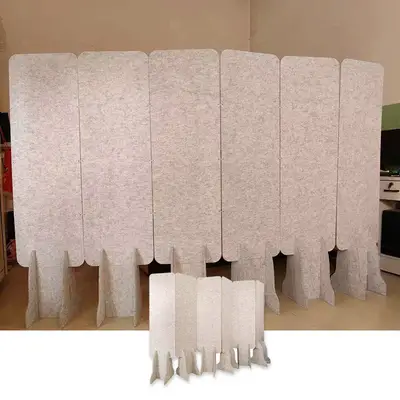
As modern buildings become more focused on comfort, functionality, and user experience, effective sound management is gaining importance. Offices, schools, healthcare facilities, restaurants, hotels, and residential spaces all face acoustic challenges caused by background noise, echoes, and excessive sound reflections. These issues can affect communication, concentration, privacy, and overall comfort.
To address these challenges, manufacturers are developing a wider range of acoustic materials and products. A reliable Acoustic Panel Factory helps meet this growing demand by combining material selection, advanced production methods, customization, and quality control. Its role extends beyond manufacturing panels to providing practical solutions for different building types and acoustic requirements.
1. Responding to Different Acoustic Requirements
Every indoor environment has unique sound absorption needs. A classroom requires clear speech intelligibility, while a restaurant may need to reduce conversations and background noise. Offices often require acoustic treatments that support concentration and private discussions.
Manufacturers address these differences by producing panels with varying thicknesses, densities, materials, and surface finishes. These options allow architects, designers, and contractors to select products based on the intended application.
Rather than relying on one standard solution, a diverse product range makes it easier to accommodate different room sizes, layouts, and acoustic objectives.
2. Using a Variety of Sound-Absorbing Materials
Material selection plays a major role in acoustic panel performance. Different materials offer distinct combinations of sound absorption, appearance, weight, durability, and maintenance requirements.
Common materials used in acoustic panel manufacturing include:
- Polyester fiber: Often selected for its lightweight structure, design flexibility, and suitability for decorative applications.
- PET acoustic material: Commonly used in wall and ceiling treatments, with options for different colors and shapes.
- Fabric-wrapped panels: Combine sound-absorbing cores with decorative fabric finishes.
- Wood acoustic panels: Provide a natural appearance and can incorporate perforated or slatted designs.
- Other engineered acoustic materials: Used where specific performance, installation, or environmental requirements apply.
By offering multiple material options, manufacturers can serve a broader range of projects and help customers find products suited to their needs.
3. Expanding Product Designs and Customization
The demand for sound absorption solutions is not limited to plain rectangular panels. Modern interior projects often require acoustic products that complement architectural concepts and decorative themes.
Factories can respond by offering customized dimensions, colors, shapes, patterns, and finishes. Panels may be designed for feature walls, suspended ceilings, meeting rooms, reception areas, and other interior applications.
Customization also helps project teams address unusual room layouts or specific installation conditions. This allows acoustic treatment to become part of the overall interior design rather than an additional element that disrupts the visual concept.
4. Improving Manufacturing Efficiency with Modern Technology
Growing demand requires manufacturers to maintain production efficiency without sacrificing product quality. Modern equipment and organized production processes help factories manage larger orders and more complex designs.
Depending on the material and product type, manufacturing processes may involve precision cutting, shaping, bonding, fabric wrapping, perforation, and finishing. Automated or specialized equipment can improve dimensional accuracy and reduce material waste.
Efficient production planning also helps manufacturers manage different product specifications and coordinate orders for projects with tight construction schedules.
5. Maintaining Consistent Product Quality
As acoustic panels are increasingly used in commercial and institutional buildings, consistency becomes essential. Differences in panel dimensions, finish quality, or material characteristics can create problems during installation and affect the finished appearance.
Professional manufacturers use quality-control procedures at different production stages. These may include inspecting incoming materials, checking dimensions, reviewing surface finishes, and verifying product specifications.
Where relevant, acoustic performance should be supported by appropriate test reports or technical documentation. Buyers should review the actual test conditions and product details to understand whether the reported results apply to their intended application.
6. Supporting Commercial and Residential Applications
The growing demand for acoustic treatment comes from a wide range of building sectors. Manufacturers must understand the different expectations associated with each environment.
Commercial offices: Acoustic panels help reduce excessive reflections in open-plan workspaces, meeting rooms, and private offices.
Educational facilities: Classrooms, libraries, and lecture halls benefit from improved speech clarity and more controlled background noise.
Hospitality spaces: Restaurants, hotels, and conference facilities use acoustic treatments to create more comfortable environments for visitors.
Healthcare buildings: Suitable acoustic materials can contribute to calmer waiting areas, consultation rooms, and shared spaces.
Residential interiors: Home offices, entertainment rooms, and shared living spaces may benefit from carefully selected sound absorption products.
This broad range of applications encourages factories to develop products with different performance, appearance, and installation characteristics.
7. Providing Technical Guidance and Installation Information
Selecting an acoustic panel involves more than choosing a material or color. The amount and placement of sound absorption can influence how a room performs.
Manufacturers can support customers by providing product specifications, installation recommendations, available acoustic test information, and material guidance. This information helps architects, acoustic consultants, and contractors evaluate products before purchasing.
Technical support is particularly valuable for projects with specific requirements involving ceiling heights, wall construction, room dimensions, or interior finishes.
It is also important to distinguish sound absorption from sound insulation. Acoustic panels generally help control reflections and reverberation within a room. They do not automatically prevent sound from passing between separate spaces, which may require additional building-envelope or sound-isolation measures.
8. Meeting Bulk Orders and Project Deadlines
Large construction projects often require substantial quantities of acoustic panels in matching specifications. Manufacturing partners must therefore be capable of managing production volume, packaging, and delivery coordination.
Factories with organized workflows can plan production according to project quantities and agreed specifications. Clear communication about order details, lead times, and shipping arrangements helps contractors coordinate installation work.
For projects involving multiple buildings or construction phases, consistent communication and production planning can also make procurement more manageable.
9. Adapting to Changing Design and Sustainability Expectations
Building professionals increasingly consider environmental impact, material transparency, and long-term maintenance when selecting interior products.
Manufacturers can respond by improving material efficiency, reducing production waste, and offering products with documented material information. Some acoustic products are made using recycled content, although the percentage and environmental benefits vary by manufacturer and product.
Customers should review available certifications and supporting documentation rather than relying on broad sustainability claims. This helps ensure that material choices align with the project’s actual environmental and performance goals.
Conclusion
The growing demand for sound absorption solutions is encouraging acoustic panel manufacturers to improve their materials, production capabilities, product variety, and technical support. From customized designs to consistent quality control, a capable factory plays an important role in helping building professionals address different acoustic challenges.
For architects, contractors, designers, and property developers, choosing a suitable manufacturing partner can simplify product selection and support smoother project coordination. As buildings continue to prioritize comfort and functionality, reliable acoustic panel production will remain an important part of creating better indoor environments.
