

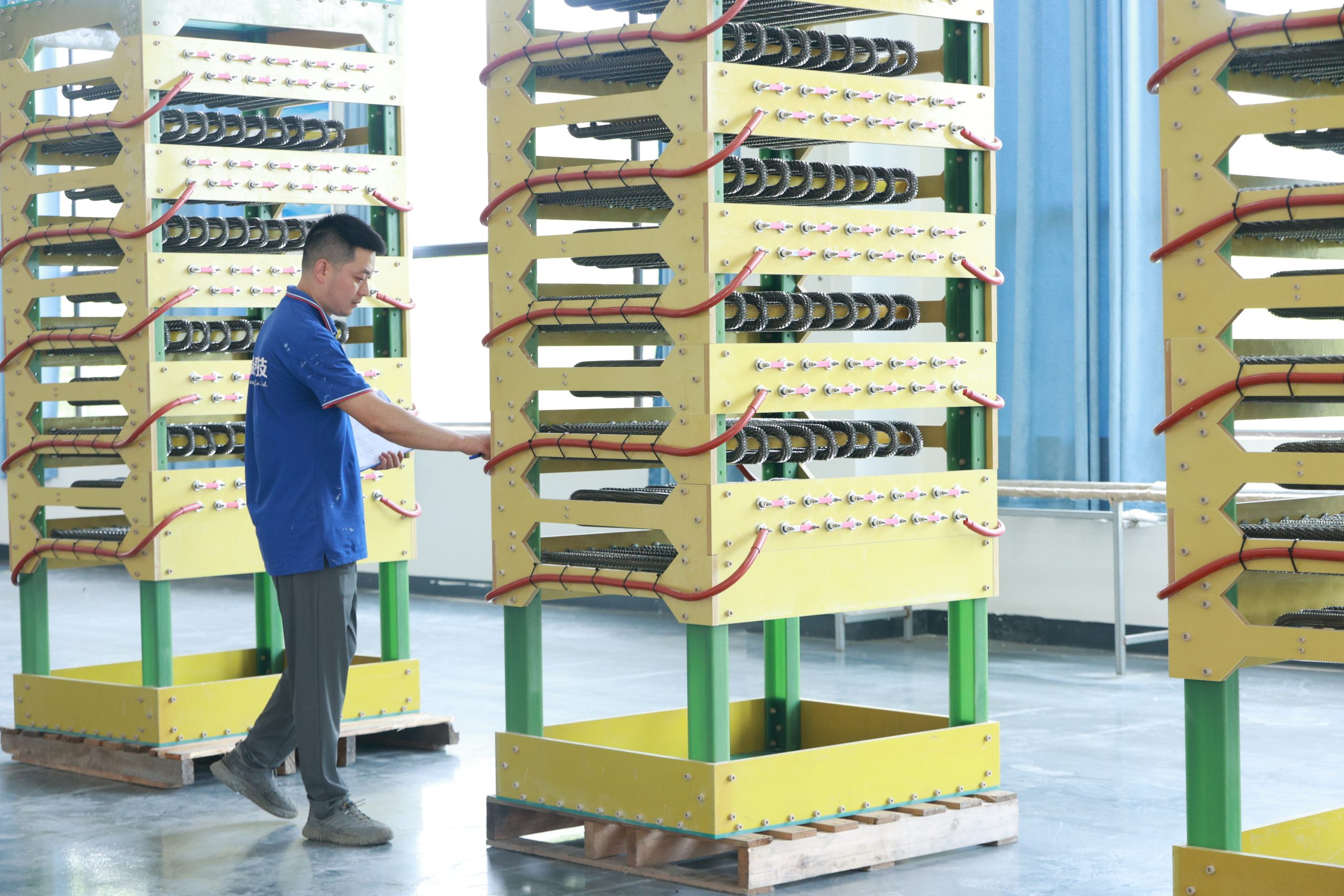
Selecting the right resistive load banks manufacturer is an important decision for any organization that depends on reliable power systems. Resistive load banks are widely used to test generators, UPS systems, transformers, and other electrical equipment under controlled conditions, making them essential for preventive maintenance, commissioning, and performance verification. The quality of the manufacturer directly affects the accuracy, durability, and reliability of the equipment you purchase.
With many manufacturers offering similar products, understanding the factors that truly matter will help you make an informed investment. This guide covers everything you need to know before choosing a resistive load banks manufacturer.
Understand Your Power Testing Requirements
Before comparing manufacturers, clearly define your testing needs.
Consider factors such as:
- Generator or UPS capacity
- Voltage requirements
- Required load capacity
- Indoor or outdoor operation
- Portable or stationary installation
- Frequency of equipment use
Understanding your application ensures you select equipment that meets your operational requirements without unnecessary costs.
Choose an Experienced Manufacturer
Experience is one of the strongest indicators of a manufacturer’s capability.
An experienced resistive load banks manufacturer is more likely to offer:
- Proven engineering expertise
- Reliable manufacturing processes
- Industry-specific knowledge
- Strong technical support
- Consistent product quality
Manufacturers with extensive experience often have a better understanding of customer requirements across different industries.
Evaluate Product Quality
High-quality construction is essential for dependable long-term performance.
Look for manufacturers that use:
- Heavy-duty steel enclosures
- Industrial-grade resistor elements
- Durable electrical components
- Corrosion-resistant finishes
- Reliable cooling systems
Quality materials reduce maintenance requirements and extend equipment lifespan.
Verify Manufacturing Standards
A professional manufacturer should maintain strict quality control throughout production.
Important quality practices include:
- Standardized manufacturing procedures
- Material inspections
- In-process quality checks
- Factory performance testing
- Final product inspections
Consistent quality management results in dependable equipment performance.
Assess Customization Capabilities
Every project has unique requirements that may not be met by standard products.
Choose a manufacturer capable of providing:
- Custom voltage ratings
- Various power capacities
- Indoor and outdoor configurations
- Portable or stationary designs
- Digital control options
- Specialized enclosure designs
Customized solutions improve compatibility with your existing electrical infrastructure.
Review Safety Features
Safety should never be overlooked when selecting electrical testing equipment.
Essential safety features include:
- Emergency stop buttons
- Over-temperature protection
- Overcurrent protection
- Automatic shutdown systems
- Cooling fan monitoring
- Proper grounding systems
These features help protect operators while preventing equipment damage during testing.
Consider Digital Technology
Modern load banks offer intelligent features that improve both testing accuracy and operational efficiency.
Look for equipment with:
- Digital control panels
- Real-time monitoring
- Automated testing programs
- Data logging
- Remote monitoring capabilities
Smart technologies simplify testing while improving maintenance planning.
Check Factory Testing Procedures
Every load bank should undergo comprehensive testing before shipment.
A reliable resistive load banks manufacturer should perform:
- Full-load performance testing
- Functional verification
- Electrical safety inspections
- Cooling system evaluation
- Protection system testing
Factory-tested equipment provides greater confidence during installation and operation.
Evaluate Maintenance-Friendly Design
Equipment that is easy to maintain reduces long-term operating costs.
Maintenance-friendly features include:
- Accessible service panels
- Modular construction
- Replaceable resistor elements
- Organized internal wiring
- Easy inspection points
Simple maintenance helps minimize downtime and improves equipment availability.
Review Technical Support
The manufacturer’s responsibility should continue long after the equipment is delivered.
Reliable support services should include:
- Product selection guidance
- Installation assistance
- Operating instructions
- Troubleshooting support
- Maintenance recommendations
- Spare parts availability
Strong technical support ensures problems can be resolved quickly and efficiently.
Compare Warranty Coverage
Warranty protection reflects a manufacturer’s confidence in its products.
When comparing manufacturers, consider:
- Warranty duration
- Coverage details
- Repair procedures
- Replacement policies
- Technical support during the warranty period
A comprehensive warranty provides additional peace of mind.
Research Industry Reputation
Before making a final decision, evaluate the manufacturer’s reputation.
Look for indicators such as:
- Years of manufacturing experience
- Customer testimonials
- Successful project references
- Long-term client relationships
- Consistent product performance
A strong reputation often reflects reliable products and dependable customer service.
Consider Long-Term Value
While price is important, the lowest-cost option is not always the best investment.
Evaluate long-term value based on:
- Product reliability
- Equipment lifespan
- Maintenance costs
- Technical support quality
- Availability of spare parts
- Overall operating efficiency
A higher-quality load bank often delivers lower total ownership costs over time.
Build a Long-Term Partnership
Choosing a manufacturer is more than making a one-time purchase. It is the beginning of an ongoing business relationship.
A trusted resistive load banks manufacturer will continue supporting your business through product upgrades, technical assistance, maintenance guidance, and future expansion solutions.
Long-term partnerships provide greater confidence as your testing requirements evolve.
Conclusion
Choosing the right resistive load banks manufacturer requires careful evaluation of product quality, manufacturing standards, safety features, customization capabilities, digital technology, factory testing, maintenance-friendly design, technical support, warranty coverage, and long-term reliability. By taking the time to compare manufacturers based on these factors rather than price alone, businesses can invest in dependable load bank solutions that improve testing accuracy, reduce downtime, lower maintenance costs, and support reliable power system performance for many years.
