

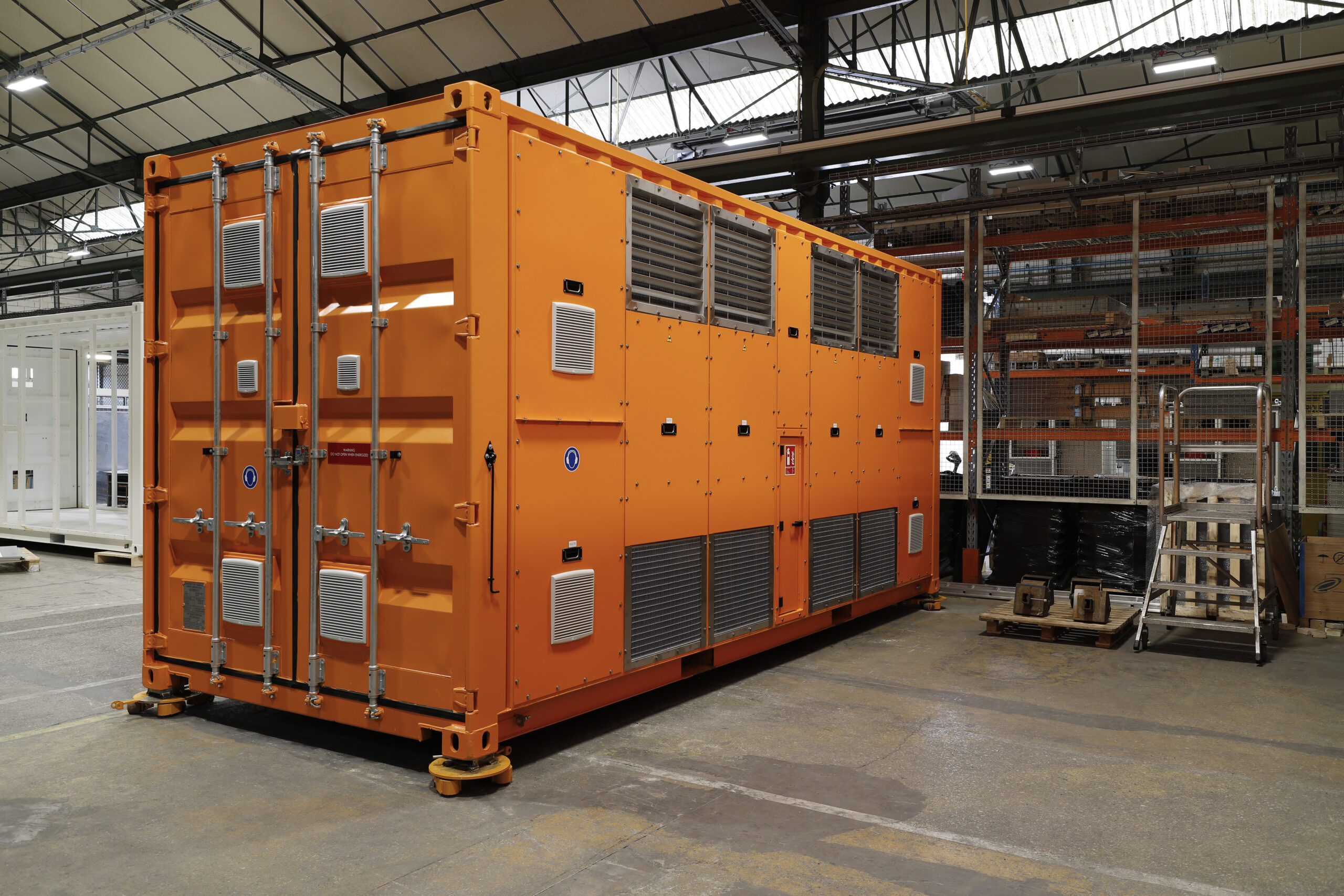
Choosing the right RLC load bank manufacturer is a critical decision for businesses that rely on accurate power system testing. RLC load banks are designed to simulate real electrical loads by combining resistive, inductive, and capacitive elements, making them essential for testing generators, UPS systems, transformers, inverters, and other power equipment. Because these systems play an important role in verifying equipment performance, the quality of the manufacturer directly influences the reliability and efficiency of testing operations.
With many suppliers available in the market, understanding what distinguishes a professional RLC load bank manufacturer can help organizations make informed purchasing decisions. Here are the key qualities that set leading manufacturers apart.
Extensive Industry Knowledge
A professional manufacturer has years of experience in designing and producing load bank systems for various industries. Their expertise allows them to understand the unique challenges faced by sectors such as power generation, data centers, renewable energy, manufacturing, utilities, and marine operations.
This experience enables them to recommend the most suitable RLC load bank solutions based on each customer’s testing requirements rather than offering generic products.
Advanced Engineering Expertise
One of the biggest characteristics of a professional RLC load bank manufacturer is strong engineering capability. Designing an RLC load bank requires in-depth knowledge of electrical systems, thermal management, power distribution, and control technologies.
Professional manufacturers employ experienced engineers who continuously improve product performance, enhance efficiency, and develop innovative testing solutions that meet changing industry demands.
Superior Product Quality
Quality is one of the most important factors that separates professional manufacturers from ordinary suppliers. Every component, from load elements and control systems to cooling mechanisms and protective devices, must be carefully selected and thoroughly tested.
A high-quality RLC load bank delivers:
- Stable electrical performance
- Accurate load simulation
- Reliable operation during extended testing
- Long service life
- Reduced maintenance requirements
Consistent product quality helps customers achieve dependable testing results while lowering long-term operating costs.
Comprehensive Customization
Every testing application has different requirements. A professional manufacturer understands that one standard solution cannot meet every customer’s needs.
Leading manufacturers offer customization options based on:
- Power capacity
- Voltage ratings
- Frequency requirements
- Indoor or outdoor installation
- Cooling methods
- Portable or stationary configurations
- Digital control systems
- Communication interfaces
Customized equipment provides better compatibility with existing power systems and improves testing efficiency.
Focus on Safety
Electrical testing involves high power levels, making safety an essential consideration. Professional manufacturers incorporate multiple protection features into their equipment to ensure safe operation.
Common safety features include:
- Overload protection
- Over-temperature monitoring
- Emergency stop functions
- Circuit protection
- Automatic shutdown systems
- Fault detection alarms
These safety measures protect both operators and valuable electrical equipment during testing.
Innovative Technology
Technology continues to transform the electrical testing industry. A professional RLC load bank manufacturer invests in research and development to provide advanced features that simplify testing procedures and improve accuracy.
Modern RLC load banks often include:
- Touchscreen control panels
- Remote operation
- Automatic load sequencing
- Real-time monitoring
- Data logging
- Intelligent diagnostics
- Software integration
These technologies allow engineers to perform complex testing more efficiently while collecting valuable performance data.
Strict Quality Control
Professional manufacturers maintain rigorous quality control throughout the manufacturing process. Every unit undergoes multiple inspections and comprehensive performance testing before leaving the factory.
Strict quality assurance reduces the risk of defects, improves equipment reliability, and ensures customers receive products that meet high performance standards.
Strong Technical Support
A professional manufacturer does not simply sell equipment—they provide complete customer support throughout the product lifecycle.
Reliable technical support includes:
- Equipment selection assistance
- Installation guidance
- Commissioning support
- Operator training
- Maintenance recommendations
- Troubleshooting services
Responsive technical assistance helps customers maximize equipment performance while minimizing operational downtime.
Excellent After-Sales Service
Long-term customer relationships are another characteristic of a professional manufacturer. After-sales service plays a major role in maintaining equipment reliability and customer satisfaction.
Professional manufacturers typically provide warranty coverage, spare parts availability, repair services, software updates, and ongoing maintenance support. This commitment ensures customers receive assistance whenever it is needed.
Commitment to Continuous Improvement
The best manufacturers never stop improving. They regularly invest in product development, manufacturing technology, and customer feedback to create more efficient, reliable, and user-friendly load bank systems.
Continuous improvement helps manufacturers stay ahead of industry trends while delivering solutions that meet future testing requirements.
Conclusion
A professional RLC load bank manufacturer stands out through its industry experience, engineering expertise, superior product quality, customization capabilities, advanced technology, strict quality control, and outstanding customer support. These qualities ensure customers receive reliable testing equipment that delivers accurate performance, operates safely, and provides long-term value. By carefully evaluating these factors, businesses can confidently choose a manufacturer that supports efficient power system testing and contributes to the long-term reliability of critical electrical infrastructure.
