

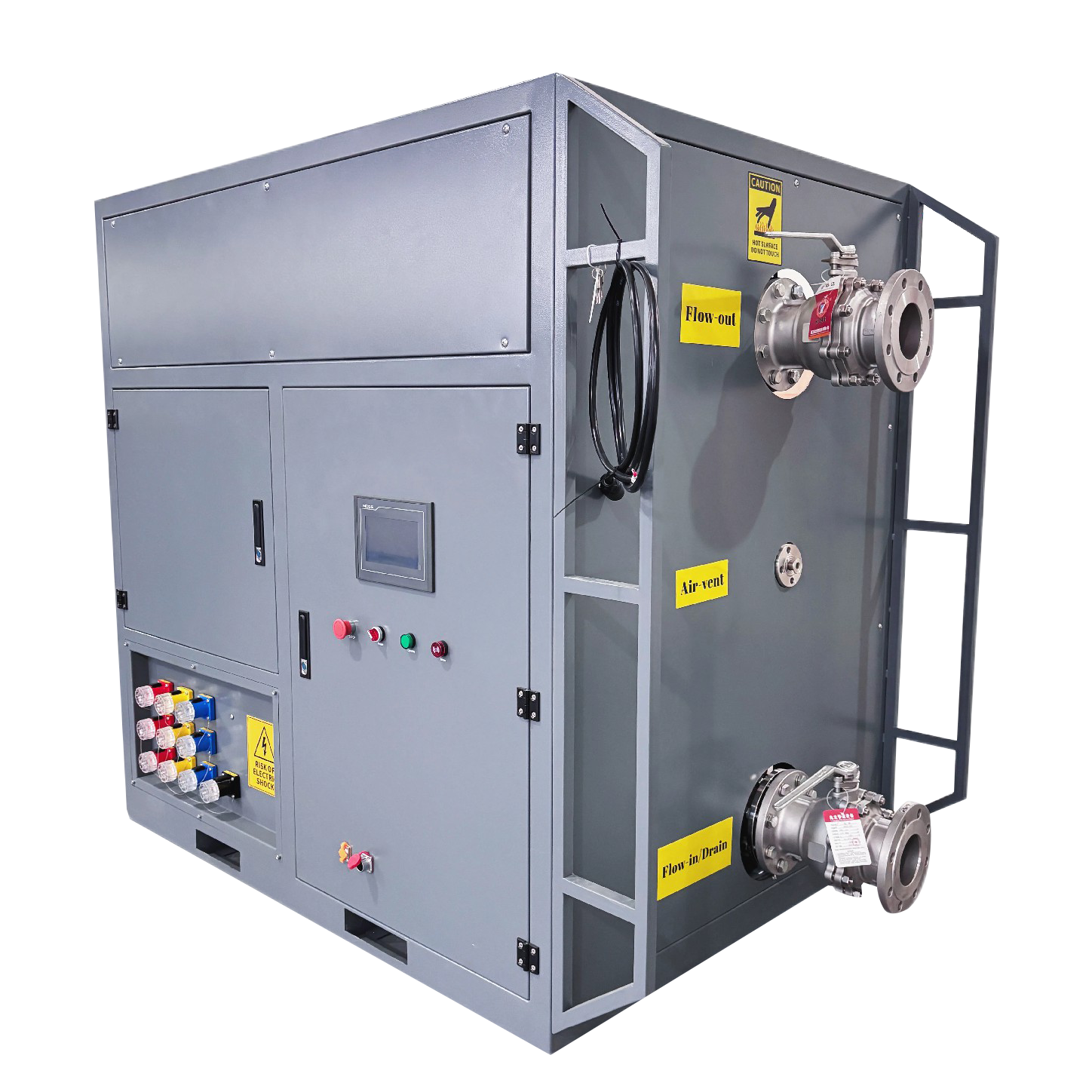
Selecting the right liquid cooled load banks manufacturer is a critical decision for businesses that rely on dependable power system testing. Whether you operate a data center, power plant, renewable energy facility, industrial site, or marine operation, the quality of your load bank directly affects testing accuracy, equipment reliability, and long-term operational efficiency. With many manufacturers offering similar products, it is important to understand the factors that separate an experienced manufacturer from an average supplier. By evaluating key areas such as engineering, quality, support, and innovation, buyers can make a confident and informed decision.
The first step is to understand your own testing requirements. Before contacting a manufacturer, determine the type of equipment you need to test, such as generators, uninterruptible power supplies (UPS), battery energy storage systems, or renewable energy installations. You should also identify your required voltage, frequency, power capacity, duty cycle, and installation environment. A clear understanding of these requirements allows the liquid cooled load banks manufacturer to recommend the most appropriate solution for your application.
Industry experience should be one of the first things you evaluate. Manufacturers with years of experience have typically worked on a wide variety of projects and understand the challenges of different industries. Their expertise allows them to recommend reliable solutions, avoid common design issues, and provide valuable technical guidance throughout the purchasing process.
Product quality is another essential consideration. A reputable liquid cooled load banks manufacturer uses premium electrical components, corrosion-resistant materials, durable cooling systems, and precision manufacturing techniques. High-quality construction results in greater reliability, improved performance, and a longer service life while reducing maintenance costs over time.
The cooling system is one of the most important parts of a liquid cooled load bank. Buyers should examine how efficiently the manufacturer designs its cooling circuit, including coolant flow management, heat exchanger performance, temperature monitoring, and leak prevention. A well-designed cooling system ensures stable operation during extended testing and helps maintain consistent performance under high electrical loads.
Customization capabilities can make a significant difference. Every facility has unique operational requirements, and standard products may not always provide the best solution. A professional manufacturer should be able to customize power ratings, voltage configurations, enclosure sizes, control systems, communication protocols, and cooling arrangements. Customized equipment improves compatibility with existing infrastructure and delivers better overall performance.
Modern control systems have become increasingly important. Advanced load banks often include programmable logic controllers (PLCs), touchscreen interfaces, automated testing programs, remote monitoring, and data logging capabilities. These intelligent features simplify operation, improve testing accuracy, and provide valuable performance information for maintenance planning and reporting.
Safety should always be a top priority. A trusted liquid cooled load banks manufacturer incorporates comprehensive safety features such as overcurrent protection, overtemperature monitoring, emergency stop systems, electrical grounding, coolant flow detection, fault alarms, and automatic shutdown functions. These protective systems reduce operational risks while safeguarding personnel and connected equipment.
Manufacturing quality is another factor that should not be overlooked. Leading manufacturers follow strict production procedures, perform continuous quality inspections, and use advanced fabrication technologies to ensure product consistency. Comprehensive factory testing, including electrical verification, coolant system testing, insulation resistance checks, and full-load performance evaluations, demonstrates a manufacturer’s commitment to delivering reliable equipment.
Maintenance requirements should also be considered before making a purchase. Maintenance-friendly designs feature accessible service panels, modular components, organized wiring, and simplified coolant servicing. Easy maintenance reduces downtime, lowers operating costs, and helps extend the service life of the equipment.
Technical support and after-sales service are just as valuable as the product itself. A reliable liquid cooled load banks manufacturer provides installation guidance, commissioning assistance, operator training, troubleshooting support, maintenance recommendations, warranty service, and genuine spare parts. Strong after-sales support ensures customers receive expert assistance whenever needed throughout the equipment’s operational life.
It is also important to consider the manufacturer’s ability to support future growth. As facilities expand, testing requirements often increase. Manufacturers that offer modular systems and scalable solutions allow customers to increase testing capacity without replacing their entire load bank system. This flexibility provides better long-term value and protects the original investment.
Innovation is another characteristic of a leading manufacturer. The demand for AI data centers, renewable energy systems, battery storage, and high-density power infrastructure continues to grow. Manufacturers that invest in research and development regularly introduce improvements in cooling efficiency, intelligent controls, predictive maintenance, remote monitoring, and energy-saving technologies, ensuring their products remain competitive in an evolving market.
Finally, avoid making your decision based solely on price. While lower-cost options may seem attractive, they often result in higher maintenance expenses, reduced reliability, and shorter equipment life. Evaluating overall value—including product quality, technical support, safety, efficiency, and long-term performance—is a far better approach.
In conclusion, choosing the right liquid cooled load banks manufacturer requires careful consideration of experience, engineering expertise, product quality, cooling performance, customization options, safety features, manufacturing standards, maintenance requirements, technical support, scalability, and innovation. By taking the time to evaluate these factors, businesses can invest in reliable load bank solutions that deliver accurate testing, dependable performance, and long-term value for critical power system applications.
