

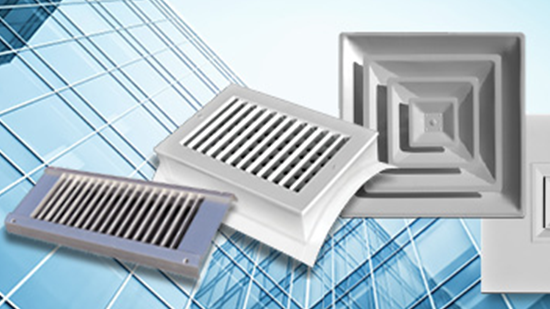
Efficient cooling distribution is a fundamental requirement for any modern HVAC system. While air conditioners generate conditioned air, it is the air diffusers that ensure this air is evenly spread throughout a space. Without properly designed diffusers, even high-performance systems can struggle with uneven temperatures and reduced comfort levels.
Selecting the right suppliers is therefore a critical decision. The quality of components, design precision, and manufacturing standards all influence how effectively an HVAC system performs in real-world conditions.
When evaluating air conditioning diffuser suppliers, it is important to focus on product reliability, airflow performance, and long-term durability. Choosing air conditioning diffuser suppliers with strong engineering capabilities ensures that cooling systems operate efficiently across residential, commercial, and industrial environments.
The Role of Air Diffusers in Cooling Systems
Air diffusers are responsible for distributing cooled air from HVAC systems into occupied spaces. They regulate airflow direction, velocity, and spread, ensuring that temperature remains consistent throughout the room.
A well-designed diffuser improves thermal comfort and helps reduce energy waste by allowing the system to operate more efficiently. Poor airflow distribution, on the other hand, can lead to uneven cooling, increased energy consumption, and reduced system lifespan.
Key Factors That Define Reliable Suppliers
Not all suppliers provide the same level of product quality or technical expertise. Understanding what separates reliable suppliers from average ones is essential for long-term HVAC performance.
1. Engineering and Design Capability
High-quality suppliers invest in advanced engineering to ensure precise airflow control. This includes aerodynamic design, pressure optimization, and noise reduction features. Well-engineered diffusers help maintain balanced air distribution even in complex building layouts.
2. Material Strength and Longevity
Durability is a key consideration in HVAC components. Common materials include aluminum, galvanized steel, and high-strength polymers. Aluminum is widely preferred due to its corrosion resistance, lightweight structure, and long service life.
Strong materials ensure that diffusers maintain both structural integrity and appearance over time, even in demanding environments.
3. Product Variety for Different Applications
Reliable suppliers typically offer a wide range of diffuser types to meet various project needs, such as:
- Square ceiling diffusers
- Linear slot diffusers
- Round diffusers
- Jet diffusers
- Floor diffusers
This variety allows HVAC designers to select the most appropriate solution for specific airflow and architectural requirements.
4. Manufacturing Precision and Quality Control
Precision manufacturing ensures that each diffuser performs consistently. Even small variations in design can affect airflow efficiency and noise levels. Trusted suppliers implement strict quality control processes to maintain uniform standards across all products.
How Diffusers Improve Cooling Efficiency
Air diffusers significantly influence how effectively cooling systems perform. Proper air distribution reduces temperature differences within a space, allowing HVAC systems to operate with less strain.
Balanced Airflow Distribution
Diffusers help eliminate hot and cold spots by evenly distributing cooled air. This creates a more comfortable indoor environment and improves occupant satisfaction.
Energy Optimization
When airflow is well-managed, HVAC systems do not need to work as hard to maintain desired temperatures. This leads to reduced energy consumption and lower operating costs.
Reduced System Wear
Efficient airflow reduces stress on HVAC components such as compressors and fans. Over time, this contributes to longer system lifespan and fewer maintenance requirements.
Residential and Commercial Applications
Air diffusers are used in a wide range of environments, each with different performance requirements.
Residential Spaces
In homes, the focus is typically on quiet operation, comfort, and aesthetic integration. Ceiling and round diffusers are commonly used because they provide smooth airflow and blend easily into interior designs.
Commercial Buildings
Commercial environments such as offices, malls, and hotels require higher airflow capacity and more durable systems. Linear slot and jet diffusers are often preferred due to their efficiency and ability to handle larger spaces.
Importance of Choosing the Right Supplier
Selecting a reliable supplier directly impacts HVAC system performance. A strong supplier provides more than just products—they offer engineering expertise, technical support, and consistent quality assurance.
Key benefits include:
- Improved cooling efficiency
- Greater energy savings
- Reduced maintenance costs
- Longer system lifespan
- Stable and uniform air distribution
These advantages highlight why supplier selection is a critical part of HVAC system design and installation.
Conclusion
Air diffusers play a crucial role in ensuring efficient cooling distribution within HVAC systems. Their ability to regulate airflow directly affects comfort, energy efficiency, and system reliability.
By working with experienced suppliers, businesses and homeowners can ensure that their HVAC systems deliver consistent performance across all types of environments. Careful selection of air conditioning diffuser suppliers leads to better airflow control, improved durability, and long-term operational efficiency.
