

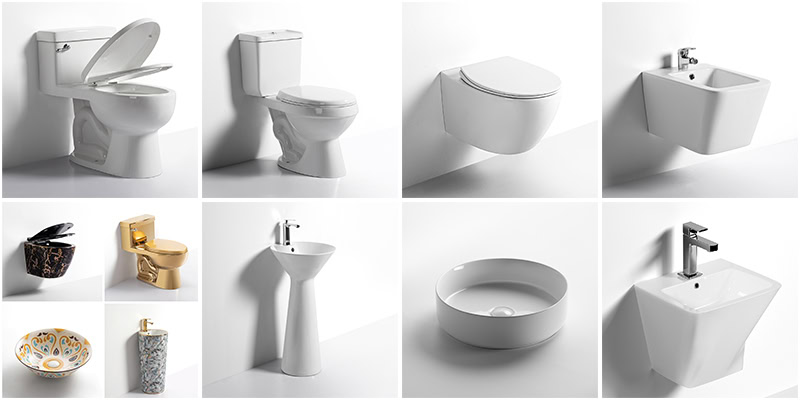
Solid surface basins are used across residential, hospitality, commercial, healthcare, and architectural projects. Their design flexibility makes them suitable for both standard bathroom installations and customized applications. However, product quality and manufacturing capabilities can vary significantly between suppliers.
When comparing China Top Solid Surface Basin Manufacturers, buyers should evaluate more than price and product appearance. Material specifications, production experience, quality control, customization, certifications, and export capabilities are all important factors in selecting a suitable supplier.
Start With Product Requirements
Before contacting manufacturers, define the requirements for your project. Clear specifications make supplier comparisons more accurate and reduce misunderstandings during the quotation and production stages.
Consider basin dimensions, shape, material, color, surface finish, mounting method, drainage configuration, order quantity, and intended application.
For customized projects, technical drawings or reference samples can help manufacturers understand the requirements more precisely.
Examine Material Specifications
Solid surface products can differ in composition, thickness, density, and manufacturing methods. These factors may influence appearance, durability, maintenance, and production costs.
Ask potential suppliers for material specifications and technical documentation. Physical samples should also be requested so you can evaluate the actual surface and workmanship.
Compare Sample Quality
When reviewing samples, pay attention to:
- Surface smoothness
- Color consistency
- Dimensional accuracy
- Edge and corner finishing
- Surface defects
- Structural condition
- Overall workmanship
Using the same inspection criteria for every supplier makes comparisons more objective.
Assess Manufacturing Experience
A manufacturer’s experience with solid surface basins can provide useful insight into its technical capabilities. Review the supplier’s product range, manufacturing history, export markets, and experience with projects similar to yours.
Relevant experience is generally more useful than simply considering how large a factory appears. The manufacturer should have production processes and equipment appropriate for the products you intend to purchase.
Review Production Capacity
Production capacity is particularly important for distributors and large commercial projects. A supplier may produce excellent samples but struggle to meet the volume or delivery schedule of a major order.
Ask about production capacity, typical lead times, raw material availability, equipment, and workforce. If repeat orders are expected, determine whether the manufacturer can maintain supply over the long term.
Evaluate Customization Capabilities
Solid surface basins can often be customized to meet specific design or installation requirements. Depending on the manufacturer, customization may include:
- Basin dimensions and shapes
- Colors and surface finishes
- Integrated countertop configurations
- Mounting methods
- Drainage arrangements
- OEM branding
- Customized packaging
Before approving a customized design, clarify tooling costs, minimum order quantities, sample procedures, development timelines, and design ownership.
Check Product Development Support
Custom projects may require engineering and product development assistance. Ask whether the manufacturer can review drawings, recommend design changes, create prototypes, and develop production samples.
A capable technical team can identify potential manufacturing problems before mass production begins. This can help reduce development delays and unnecessary tooling expenses.
Investigate Quality-Control Systems
Quality control should cover multiple stages of manufacturing. Ask how raw materials are inspected and how production, finishing, final products, and packaging are checked.
A reliable supplier should have defined procedures for identifying defective products and correcting production problems.
For large orders, buyers may also use independent inspection services. Inspection criteria should be agreed upon before manufacturing starts.
Verify Certifications and Compliance
Different countries can have different standards for bathroom products. Project specifications may also impose additional requirements.
Identify the applicable standards for your destination market before selecting a supplier. Request relevant certificates, test reports, and technical documents, and confirm that they correspond to the actual products being ordered.
Addressing compliance requirements early can help avoid delays later.
Examine Packaging and Export Procedures
Solid surface basins need adequate protection during international transportation. Poor packaging can result in scratches, cracks, or other damage even when the products leave the factory in good condition.
Ask about cartons, protective inserts, internal supports, pallets, and container loading procedures. Also clarify export documentation and responsibilities for freight, insurance, customs clearance, and delivery.
Compare Total Costs
The lowest unit price does not necessarily represent the best sourcing value. International buyers should calculate the overall cost of obtaining and receiving the products.
Depending on the order, total costs can include:
- Product price
- Tooling and customization
- Packaging
- Inspection
- Inland transportation
- International freight
- Insurance
- Import duties and taxes
- Customs and handling charges
Comparing total landed costs gives buyers a more realistic basis for evaluating suppliers.
Review Lead Times
Lead time should include more than the manufacturing period. Customized products may require design review, tooling, sampling, revisions, approval, production, inspection, and packaging.
Ask suppliers to provide a realistic timeline for each stage. If the products are intended for a construction or hospitality project, communicate the required delivery date before confirming the order.
Assess Communication
Clear communication is essential when working with an overseas manufacturer. The supplier should be able to provide accurate quotations, specifications, samples, production updates, and shipping information.
Pay attention to how technical questions are handled. Important specifications, revisions, and approvals should be documented in writing to create a reliable reference throughout the project.
Consider After-Sales Support
International buyers should understand how the supplier handles quality complaints, damaged goods, replacement products, and warranty issues.
Before placing an order, clarify claim procedures and documentation requirements. A clear after-sales process can make it easier to resolve problems if they arise after delivery.
Evaluate Long-Term Reliability
If you expect repeat purchases, assess whether the manufacturer can maintain consistent quality and specifications across multiple production batches.
Keep approved samples, drawings, material specifications, color references, packaging standards, and inspection requirements on file. These records can help both parties maintain consistency during future orders.
Create a Supplier Comparison Checklist
A structured comparison can make the final selection easier. Evaluate each manufacturer according to the same criteria:
- Material and product quality
- Manufacturing experience
- Production capacity
- Customization and OEM capabilities
- Quality-control procedures
- Certifications and compliance
- Sample quality
- Packaging and export experience
- Total sourcing costs
- Lead times
- Communication and after-sales service
This approach reduces the risk of choosing a supplier based solely on a low quotation or attractive product images.
Conclusion
Evaluating China’s top solid surface basin manufacturers requires a comprehensive review of product quality, manufacturing capabilities, customization, compliance, logistics, and service. Samples and documentation can provide valuable evidence of a supplier’s actual capabilities.
By defining requirements clearly, comparing manufacturers consistently, verifying quality-control procedures, reviewing total costs, and assessing long-term supply reliability, international buyers can make more informed sourcing decisions and choose a manufacturer suited to their specific project needs.
