

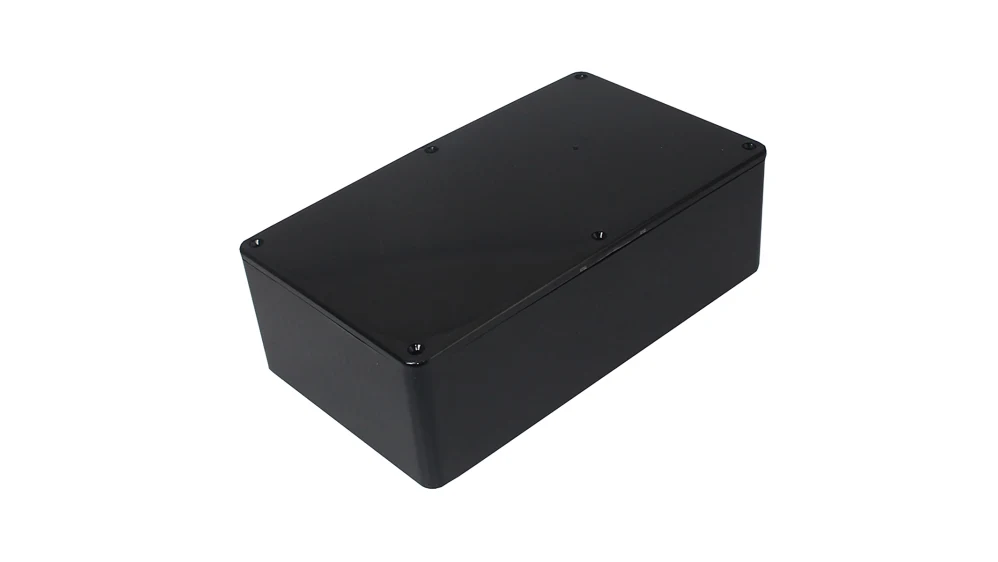
Industrial plastic enclosures are essential components in modern manufacturing and automation systems. They are designed to protect electrical and electronic equipment from harsh operating conditions while maintaining accessibility and structural efficiency. As industries continue to adopt advanced control systems, the demand for reliable and cost-effective enclosure solutions has increased significantly.
In many industrial environments, plastic enclosures are preferred because they combine durability, electrical safety, and design flexibility. These enclosures are widely used to house sensitive components such as control units, power systems, and communication devices.
Key Features of Industrial Plastic Enclosures
Industrial-grade plastic enclosures are engineered to perform in demanding environments where equipment is exposed to dust, vibration, and temperature variations. Their design focuses on protection, usability, and long-term reliability.
High Impact Resistance
Industrial environments often involve mechanical stress and accidental impacts. Plastic enclosures made from materials like ABS or polycarbonate are designed to absorb shocks and protect internal components from damage.
Electrical Insulation
One of the most important features is electrical insulation. Plastic materials naturally prevent electrical conductivity, reducing the risk of short circuits and improving operational safety.
Environmental Protection
These enclosures are often designed to resist dust, moisture, and mild chemical exposure. Depending on the design, they can meet various IP protection standards suitable for industrial use.
Lightweight Structure
Despite their strength, plastic enclosures remain lightweight compared to metal alternatives. This makes installation easier and reduces structural load in large systems.
Materials Used in Industrial Plastic Enclosures
The performance of an enclosure largely depends on the material used in its construction. Different plastics are selected based on application requirements.
ABS (Acrylonitrile Butadiene Styrene)
ABS is widely used due to its balanced properties. It offers:
- Good impact resistance
- Cost-effective production
- Easy molding and customization
- Reliable electrical insulation
Polycarbonate
Polycarbonate is used in more demanding applications where higher strength is required. It provides:
- Superior impact resistance
- Better heat tolerance
- Enhanced durability in outdoor environments
Blended Materials
Some industrial enclosures use material blends to achieve a balance between strength, flexibility, and cost efficiency.
Common Applications in Industrial Settings
Plastic enclosures are used across a wide range of industrial applications due to their versatility and protective capabilities.
Typical use cases include:
- Factory automation and control systems
- Electrical distribution panels
- Industrial sensors and monitoring devices
- Communication and networking equipment
- Machine control units
In each case, the enclosure helps ensure stable operation and protects sensitive electronics from environmental hazards.
Advantages in Industrial Use
Industrial plastic enclosures offer several benefits that make them suitable for modern engineering systems.
Key advantages include:
- Resistance to corrosion compared to metal enclosures
- Cost-effective production for large-scale deployment
- Design flexibility for custom industrial requirements
- Reduced maintenance needs due to durable construction
- Safe operation through electrical insulation
These benefits contribute to improved system reliability and reduced operational costs.
Design Considerations for Industrial Enclosures
When selecting an enclosure for industrial use, several design factors must be evaluated to ensure optimal performance.
Important considerations include:
- Size and internal component layout
- Required level of environmental protection
- Heat dissipation and ventilation needs
- Mounting style and installation environment
- Accessibility for maintenance and upgrades
Proper design selection ensures that the enclosure meets both functional and safety requirements.
Conclusion
Industrial plastic enclosures play a critical role in protecting electrical and electronic systems in demanding environments. Their combination of strength, insulation, and design flexibility makes them a reliable choice for a wide range of industrial applications. With the right material and design, these enclosures help ensure safe, efficient, and long-lasting performance of essential equipment across various industries.
