

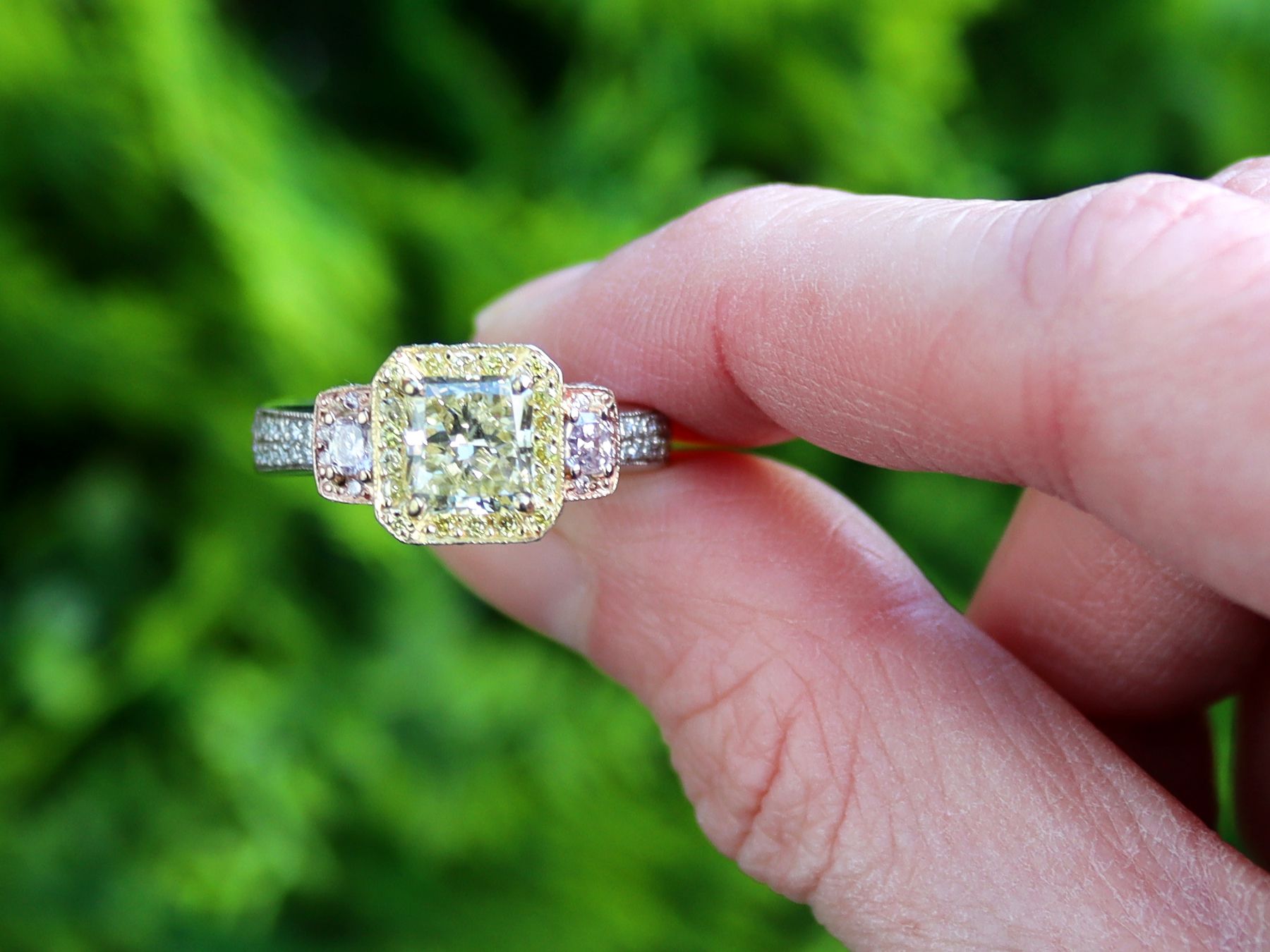
Introduction to Yellow Lab Grown Diamonds
Yellow lab grown diamonds are a modern innovation in the gemstone industry, combining scientific precision with the timeless appeal of colored diamonds. These stones are created in controlled laboratory environments that replicate the natural conditions under which diamonds form. What makes them especially distinctive is their warm yellow hue, which adds elegance and individuality to jewelry designs. Understanding their quality requires a closer look at three key grading factors: cut, clarity, and color.
Understanding the Basics of Quality Grading
Like natural diamonds, yellow lab grown diamonds are evaluated using the standard four Cs: cut, clarity, color, and carat weight. However, in colored diamonds, color often plays a more significant role in determining value. Each of these factors contributes to the diamond’s overall appearance, brilliance, and desirability.
A closer look at yellow lab grown diamonds shows how controlled production methods allow for precise manipulation of these quality characteristics. This scientific control ensures that buyers can select diamonds with predictable performance in terms of brightness, clarity, and color intensity.
The Importance of Cut in Yellow Lab Grown Diamonds
The cut of a diamond refers to how well it has been shaped and faceted from its raw form. It is one of the most important factors influencing how a diamond interacts with light. A well-cut diamond reflects light internally and externally, creating brilliance and sparkle.
For yellow lab grown diamonds, cut quality also enhances the intensity of the yellow color. Certain cuts, such as radiant, cushion, and oval, are particularly effective at maximizing color visibility while maintaining brilliance. Poorly cut diamonds may appear dull or fail to showcase their full color potential, even if they have high color grades.
Symmetry, proportion, and polish are all essential components of cut quality. When these elements are well-balanced, the diamond appears lively and visually appealing from every angle. This makes cut a critical factor for both designers and buyers.
Clarity and Its Role in Visual Purity
Clarity refers to the presence of internal inclusions and external blemishes within a diamond. These natural or lab-induced characteristics can affect how light passes through the stone. In yellow lab grown diamonds, clarity plays an important role in ensuring visual purity and brilliance.
Because lab grown diamonds are produced in controlled environments, they typically have fewer inclusions compared to natural diamonds. However, clarity levels can still vary depending on growth conditions. High clarity diamonds allow light to pass through more freely, enhancing both sparkle and color vibrancy.
In most cases, minor inclusions are not visible to the naked eye, especially in smaller stones. However, for larger diamonds or high-end jewelry pieces, higher clarity grades are preferred to ensure maximum visual impact.
Color Intensity and Grading in Yellow Diamonds
Color is the defining feature of yellow lab grown diamonds and is often the most important factor in their evaluation. Unlike colorless diamonds, where absence of color is ideal, yellow diamonds are valued for their richness and saturation.
Color grading ranges from faint yellow to fancy vivid yellow. The intensity of the color depends on the amount of nitrogen present during the diamond’s growth process. Higher nitrogen concentration results in deeper, more vibrant yellow tones, while lower concentrations produce lighter shades.
Uniformity of color is also important. A well-graded yellow lab grown diamond should display even color distribution without patchy or uneven areas. This consistency enhances its overall beauty and makes it more desirable for jewelry applications.
How Cut, Clarity, and Color Work Together
While each of the three Cs is important individually, their combined effect determines the overall quality of a yellow lab grown diamond. A well-cut diamond with excellent clarity and strong color saturation will exhibit superior brilliance and visual appeal.
For example, a diamond with strong color but poor cut may appear dull, while a well-cut diamond with low clarity may lack visual purity. Achieving balance among all three factors is essential for selecting a high-quality stone. This is why professional grading systems evaluate each characteristic carefully before assigning a final quality grade.
Choosing the Right Combination for Jewelry
When selecting yellow lab grown diamonds for jewelry, buyers should consider how cut, clarity, and color interact with the design. Engagement rings often benefit from well-balanced diamonds that offer both brilliance and strong color presence. Fashion jewelry, on the other hand, may prioritize bold color intensity over perfect clarity.
Understanding these priorities helps buyers make informed decisions based on personal style and intended use. Jewelry designers also rely on these factors to create visually harmonious pieces that maximize the beauty of each diamond.
Conclusion
Yellow lab grown diamonds offer a unique combination of beauty and scientific precision, with cut, clarity, and color playing essential roles in determining their quality. By understanding how these factors interact, buyers can make more informed choices and select diamonds that best suit their needs. As technology continues to advance, these diamonds will remain an important part of modern jewelry design, offering both aesthetic appeal and consistent quality.
