

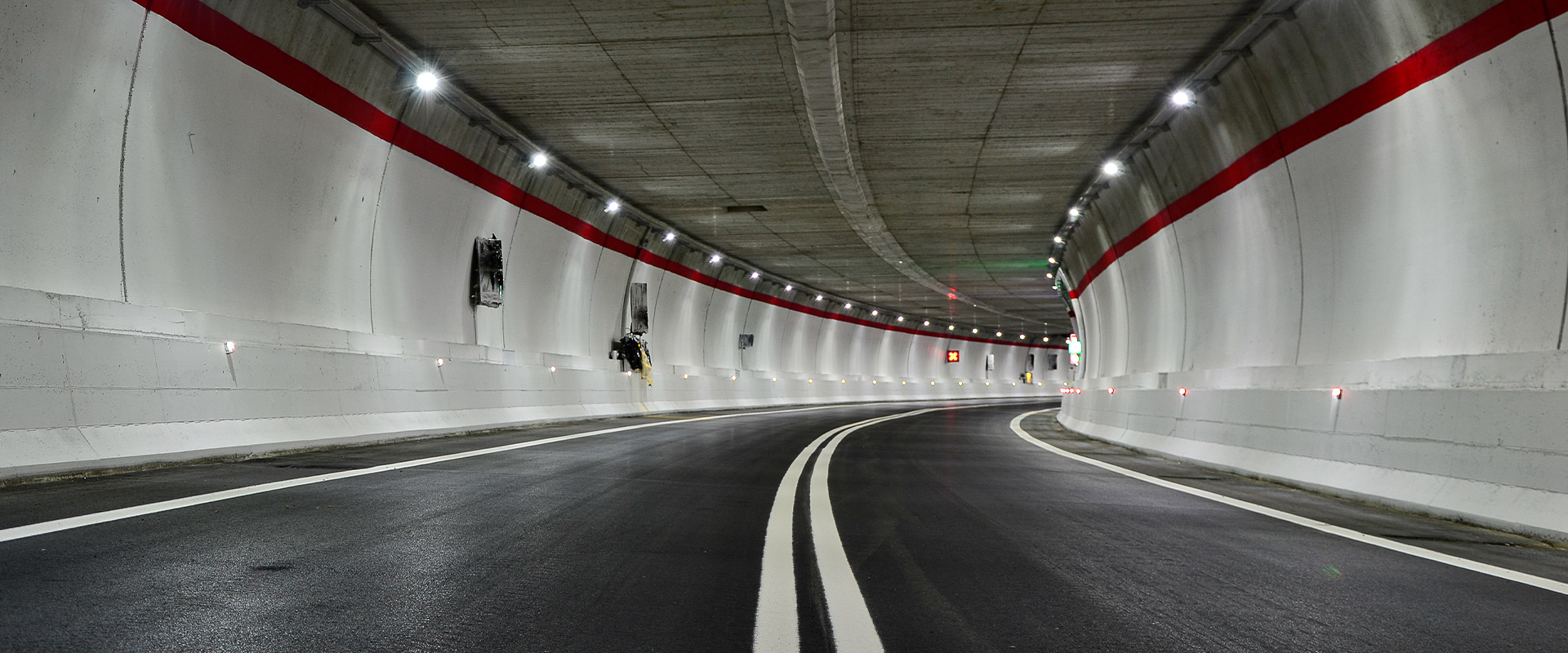
LED tunnel lights operate in environments where dust, moisture, condensation, vehicle emissions, and cleaning activities can expose fixtures to demanding conditions. Because of this, the level of protection provided by the fixture enclosure is an important consideration during product selection and system design.
An LED Tunnel Lighting Manufacturer uses IP ratings to indicate how effectively a lighting enclosure protects internal components against the entry of solid particles and water. Understanding these ratings helps project planners select fixtures that are appropriate for the environmental conditions of a particular tunnel.
What Does an IP Rating Mean?
IP stands for Ingress Protection. The rating is generally expressed using two digits, with each digit representing a different type of protection.
The first digit relates to protection against solid objects and particles, while the second describes protection against water. Together, the two digits provide a standardized way to describe enclosure protection.
Understanding the First IP Digit
The first digit indicates the level of protection against solid particles. Higher ratings generally indicate greater protection against the entry of dust and other solid materials.
For tunnel lighting, protection against dust can be particularly relevant because vehicle movement and exhaust can introduce particles into the surrounding environment.
Understanding the Second IP Digit
The second digit relates to protection against water. Different ratings address different forms of water exposure, ranging from dripping water to more demanding conditions involving water jets or temporary immersion.
The appropriate rating depends on how much moisture the fixture is expected to encounter during normal operation, cleaning, and maintenance.
Why IP Ratings Matter in Tunnels
Tunnel environments can experience moisture from rain entering portals, condensation, washing activities, or drainage conditions. Fixtures installed near tunnel entrances may face different exposure from those located deeper inside.
Selecting an enclosure with appropriate protection can help prevent moisture and contaminants from reaching sensitive electrical components.
IP Ratings and Tunnel Location
Not every fixture in a tunnel necessarily experiences identical environmental conditions. Lighting near entrances, ventilation areas, drainage points, or washing zones may face different exposure levels.
Manufacturers and lighting designers can consider the location of each fixture when determining the appropriate enclosure protection.
Protection Against Dust and Particles
Dust protection is important because accumulated particles can affect electrical components and other internal parts if they enter the enclosure.
A suitably protected housing can reduce the likelihood of contaminants reaching the LED driver, circuit boards, and connections.
Water Exposure During Cleaning
Tunnel maintenance may involve pressure washing or other cleaning procedures. Water can reach lighting fixtures from different directions depending on the cleaning method and fixture location.
When selecting tunnel lights, project teams should consider whether the fixture’s IP rating corresponds with the actual cleaning and maintenance environment.
IP Rating and Fixture Construction
Achieving a particular IP rating involves more than adding a sealed outer cover. The entire enclosure needs to work together, including joints, gaskets, cable entries, connectors, and access points.
A weakness in any of these areas can affect the overall protection of the completed fixture.
The Importance of Gaskets and Seals
Gaskets and sealing components help prevent water and contaminants from entering through joints between different housing sections.
Their material, design, placement, and long-term resistance to environmental conditions can all influence enclosure performance.
Cable Entries and Connectors
Cable entry points can represent potential pathways for water or dust. Properly selected glands, connectors, and sealing arrangements are therefore important parts of the enclosure design.
Manufacturers need to consider these details when developing fixtures intended for demanding tunnel environments.
IP Rating Is Not the Same as Corrosion Resistance
An IP rating describes protection against the entry of solids and water. It does not automatically indicate how well a fixture will resist corrosion.
Tunnel environments can contain moisture and pollutants that may affect metal components over time. Materials, coatings, fasteners, and surface treatments should therefore be evaluated separately.
IP Ratings and Thermal Management
A sealed fixture must still manage heat effectively. LEDs and drivers generate heat during operation, while excessive enclosure sealing can influence how heat moves away from internal components.
Good fixture design balances environmental protection with thermal performance so that both requirements can be addressed.
Testing IP Protection
Manufacturers can use standardized testing methods to verify enclosure protection. Testing may involve controlled exposure to dust or water according to the requirements associated with the claimed rating.
Project buyers should request appropriate documentation when a specific IP classification is required for an installation.
Choosing the Right Rating for the Application
A higher IP rating is not automatically necessary for every tunnel installation. The appropriate level depends on the actual environmental conditions and project requirements.
Relevant considerations can include:
- Tunnel location
- Moisture exposure
- Cleaning procedures
- Dust levels
- Fixture mounting position
- Temperature conditions
- Maintenance practices
Considering Long-Term Performance
An enclosure’s protection needs to remain effective throughout the fixture’s expected operating period. Seals can age, fasteners can deteriorate, and repeated maintenance can affect enclosure integrity.
For this reason, product construction and maintenance procedures are important alongside the original IP classification.
Questions to Ask Before Selecting a Tunnel Light
Before ordering tunnel lighting, project teams can ask the manufacturer several practical questions:
- What IP rating does the complete fixture carry?
- What testing supports the stated rating?
- Are cable glands and connectors included in the protection assessment?
- Is the fixture suitable for the planned cleaning method?
- What materials are used for the enclosure and seals?
- How should the fixture be maintained to preserve enclosure protection?
These questions can provide a clearer understanding of whether the product matches the installation environment.
Combining IP Protection With Other Specifications
IP rating should be considered alongside optical performance, electrical characteristics, thermal management, mechanical construction, and mounting requirements.
A fixture may have strong ingress protection while still needing to meet other project specifications before it can be considered suitable for a particular tunnel.
Conclusion
IP ratings provide useful information about the ability of LED tunnel light enclosures to resist the entry of solid particles and water. Understanding what each digit represents allows project teams to evaluate fixtures according to the actual environmental conditions they will face.
For tunnel lighting manufacturers, achieving reliable ingress protection involves the complete fixture construction, including housing design, seals, connectors, and cable entries. When IP protection is evaluated together with thermal, optical, electrical, and mechanical requirements, buyers can make more informed decisions about tunnel lighting equipment.
