

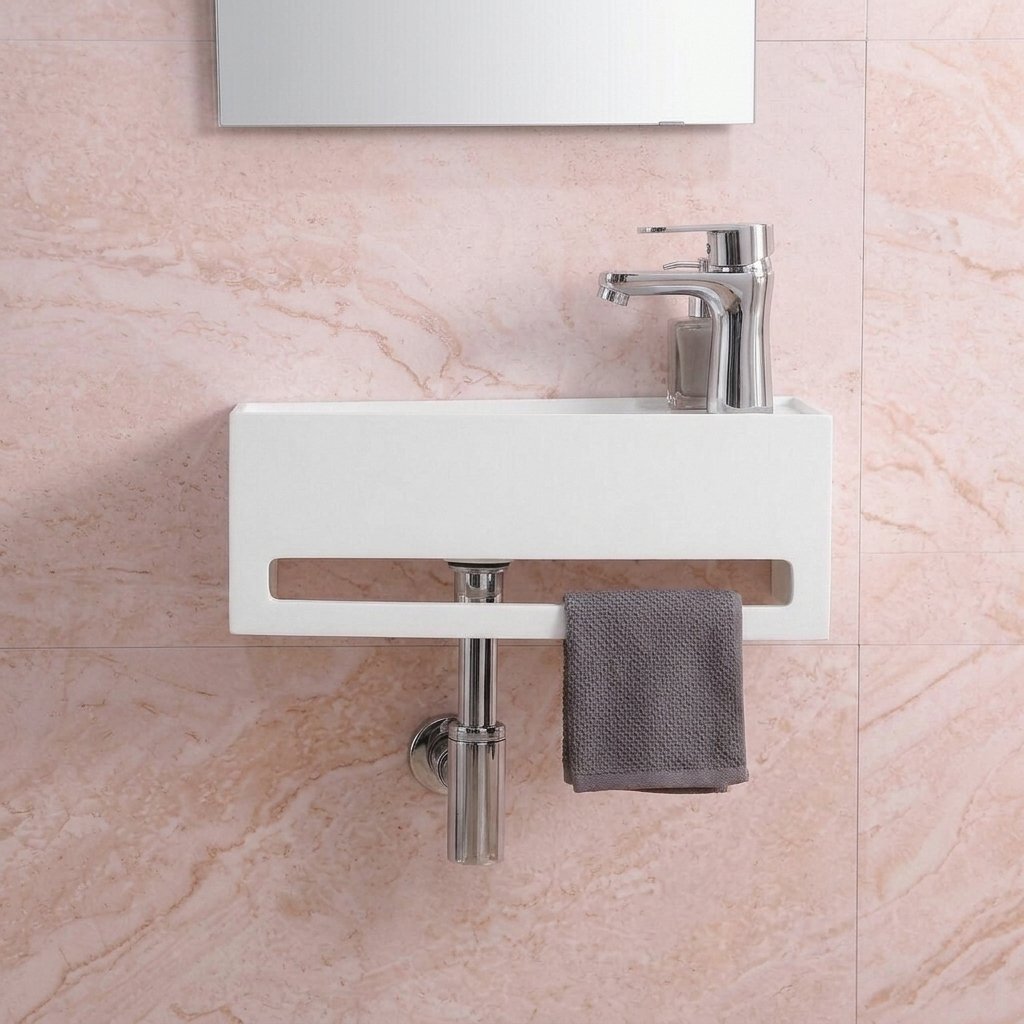
A bathroom basin handles daily use, regular water exposure, and frequent cleaning, so its quality deserves careful attention before purchase. A fixture may look attractive in a showroom or product photograph, yet small defects in its surface, shape, or construction can affect its performance over time. Checking a few important details helps buyers avoid products that require early repairs or replacement.
When comparing a Small bathroom basin, look beyond its size and appearance. Material consistency, surface finish, bowl structure, drainage design, and installation requirements all influence its reliability. A careful inspection gives homeowners and contractors a better idea of whether the basin will suit the bathroom and withstand regular use.
Examine The Basin Surface Under Good Lighting
The surface provides the first indication of the basin’s manufacturing quality. Inspect it under bright, even lighting so that small marks, uneven areas, and finish inconsistencies become easier to notice.
A high-quality glazed ceramic basin should have a smooth and consistent finish. Its color should remain uniform across the bowl, edges, and outer surfaces. Rough patches, visible cracks, pinholes, or irregular glaze areas may indicate manufacturing defects.
Run your hand gently across accessible surfaces to check for unexpected roughness. Pay particular attention to the rim and areas around the drain opening, where finishing problems can affect cleaning and everyday use.
Look For Surface Defects
Check the following areas carefully:
- Glaze consistency: Look for patches with different levels of shine or color.
- Fine cracks: Inspect the bowl and edges for visible hairline cracks.
- Pinholes: Small holes in the glaze may collect dirt and affect the finish.
- Rough edges: Uneven rims can indicate poor finishing.
- Surface scratches: Check for marks that may have appeared during manufacturing or handling.
Not every minor visual variation indicates a serious defect, particularly with materials that have natural patterns. However, cracks, sharp edges, and damaged finishes deserve attention before purchase.
Check The Material And Manufacturing Quality
The basin material affects its weight, durability, maintenance, and resistance to everyday wear. Buyers should understand what the manufacturer uses rather than relying only on general descriptions such as premium or high quality.
Ceramic And Porcelain Basins
Ceramic and porcelain remain common choices for residential and commercial bathrooms. Their glazed surfaces resist ordinary staining and make routine cleaning relatively simple.
Inspect the body for visible cracks, chips, and uneven finishing. The rim should feel consistent, and the bowl should not show signs of damage around the drain or mounting areas.
Ask the supplier about the material specifications and manufacturing process. Clear product information provides more useful evidence than appearance alone.
Solid Surface Basins
Solid surface materials allow manufacturers to produce different shapes and integrated designs. Their appearance often features a smooth, continuous finish that works well in contemporary bathrooms.
Check the surface for bubbles, uneven color, visible repair marks, or rough patches. Also ask about the material’s resistance to staining, heat, and common cleaning products.
Maintenance instructions matter because different solid surface formulations may require different care methods.
Inspect The Bowl Shape And Wall Thickness
The bowl should have a consistent shape without noticeable distortions. Look at it from several angles to identify uneven curves, irregular corners, or a rim that does not sit level.
Wall thickness also deserves attention. Extremely thin or inconsistent sections may raise concerns about structural strength, particularly around mounting points and the drain opening.
Do not judge quality by weight alone. Different materials and designs naturally have different weights. Instead, check the manufacturer’s specifications and look for consistent construction throughout the fixture.
For countertop models, inspect the base to confirm that it sits evenly on a suitable supporting surface. A poorly formed base may create installation difficulties or uneven pressure.
Test The Drainage Design
A basin needs to direct water towards the waste outlet without leaving large pools across the bowl. Its internal slope and drain position influence how effectively water moves away after use.
When inspecting a display model, look at the bowl’s shape from the rim towards the drain. The surface should guide water naturally towards the outlet rather than creating deep, flat areas where water may collect.
Check the drain opening for clean edges and consistent finishing. The waste fitting must also match the basin’s outlet size and design.
Check Overflow Compatibility
Some basins include an overflow opening that helps prevent water from spilling over the rim when the outlet remains closed. Others use a design without an overflow.
The waste fitting must match the basin’s configuration. Installing an incompatible fitting may cause sealing problems or prevent the overflow from working correctly.
Ask the supplier which waste assembly suits the selected model before ordering accessories separately.
Evaluate The Rim And Edge Finishing
The basin rim receives frequent contact during cleaning and daily use. Poorly finished edges may feel rough, collect dirt, or create problems when the fixture meets a countertop or wall.
Inspect the entire perimeter rather than checking only the front edge. Look for chips, uneven curves, sharp sections, and areas where the finish appears incomplete.
For countertop basins, the underside of the rim also matters. It should provide a stable contact area and allow suitable sealing against the supporting surface.
Wall-mounted models need particular attention around their fixing points. These areas should have consistent construction and no visible damage.
Check Dimensions And Installation Compatibility
A well-made basin may still be unsuitable for a bathroom when its dimensions do not match the available space. Buyers should compare the actual product measurements with the installation area before placing an order.
Important measurements include:
- Overall width: Determines how much wall or countertop space the basin occupies.
- Projection: Shows how far the fixture extends into the bathroom.
- Bowl depth: Affects handwashing comfort and splash control.
- Installation height: Influences everyday accessibility.
- Drain position: Must align with the waste pipe.
- Mounting dimensions: Determine compatibility with brackets, vanities, or countertops.
Also check whether the faucet holes match the intended tap arrangement. Some basins have pre-drilled holes, while others require wall-mounted or separately installed faucets.
A dimension drawing from the manufacturer is particularly useful for contractors. It helps them verify plumbing and mounting requirements before installation begins.
Assess Stability And Mounting Points
The basin should remain stable once installed. Its mounting system must support the fixture properly and prevent movement during normal use.
For wall-mounted models, inspect the fixing holes and ask about the recommended brackets or anchors. The wall itself must provide suitable support, so a lightweight partition may require reinforcement.
For countertop basins, check whether the base sits evenly and whether the manufacturer specifies a suitable countertop material. Uneven contact can place unnecessary pressure on certain areas of the fixture.
Pedestal models also need correct alignment between the bowl, support, and floor. All components should fit together without forcing or excessive gaps.
Review Water Resistance And Cleaning Requirements
Bathroom fixtures remain exposed to water, soap, toothpaste, and cleaning products. Their surfaces should tolerate regular maintenance without losing their finish under normal use.
Ask the supplier for cleaning instructions and information about suitable products. Abrasive powders and harsh chemicals may damage some finishes, even when the basin itself has good material quality.
A smooth, non-porous surface generally makes routine cleaning easier. However, the joints around the basin, drain, and countertop also need proper sealing to prevent water from entering surrounding materials.
For models with integrated counters or cabinets, check the moisture protection of every connected component rather than evaluating only the bowl.
Verify Product Specifications And Quality Documentation
A physical inspection is useful, but buyers should also review the product information supplied by the manufacturer. Reliable specifications make it easier to compare models and confirm installation requirements.
Look for details such as:
- Material composition and finish.
- Exact product dimensions.
- Basin weight and mounting method.
- Drain and overflow specifications.
- Recommended faucet compatibility.
- Cleaning and maintenance instructions.
- Available warranty coverage.
Ask whether the product has undergone relevant quality or performance testing. Any certification or test claim should come with clear documentation rather than a general marketing statement.
For bulk purchases, request a sample or inspect a unit from the same product range before approving the full order. This helps buyers check whether the delivered products match the expected finish and dimensions.
Warning Signs To Notice Before Buying
Some problems may not become obvious until the basin reaches the installation site. A careful final check can help identify concerns before payment or delivery.
Pay attention to these warning signs:
- Visible cracks or chips around the bowl and drain.
- Uneven rims or rough finishing that affects safe handling.
- Inconsistent surface coating or unexplained discoloration.
- Missing dimension drawings or unclear installation instructions.
- Drain fittings that do not match the outlet.
- No clear information about material or warranty coverage.
- Packaging that provides insufficient protection during transport.
Buyers should also confirm the return and replacement policy. This is particularly important for ceramic fixtures because careless handling during delivery can cause damage even when the product leaves the factory in good condition.
Questions To Ask The Supplier Before Ordering
A supplier should be able to provide clear answers about the basin’s construction and installation needs. Asking specific questions helps buyers make a decision based on product details rather than promotional descriptions.
Consider asking:
- What material does the basin use?
- Are the dimensions measured from the outer edges?
- Does the product include mounting hardware or waste fittings?
- Which faucets are compatible with the design?
- Does the basin include an overflow?
- What cleaning products does the manufacturer recommend?
- What warranty applies to manufacturing defects?
- How should the basin be packaged and transported?
For projects involving several bathrooms, also confirm whether replacement units and matching accessories will remain available. Consistent specifications make future repairs and replacements easier.
When comparing available models, kingkonree provides another reference for reviewing basin specifications and assessing which product details matter before purchase.
Make The Purchase Based On More Than Appearance
A quality basin should combine sound construction, a consistent finish, practical drainage, and suitable installation dimensions. Its appearance matters, yet these less visible details have a direct effect on everyday use and long-term maintenance.
Before purchasing, inspect the surface and edges, review the material information, verify the dimensions, and confirm that the mounting and drainage arrangements suit the bathroom. Buyers who follow these checks can compare products more confidently and reduce the risk of installation problems.
Taking time to examine these details helps ensure that the selected basin offers reliable performance as well as a suitable appearance for the space.
