

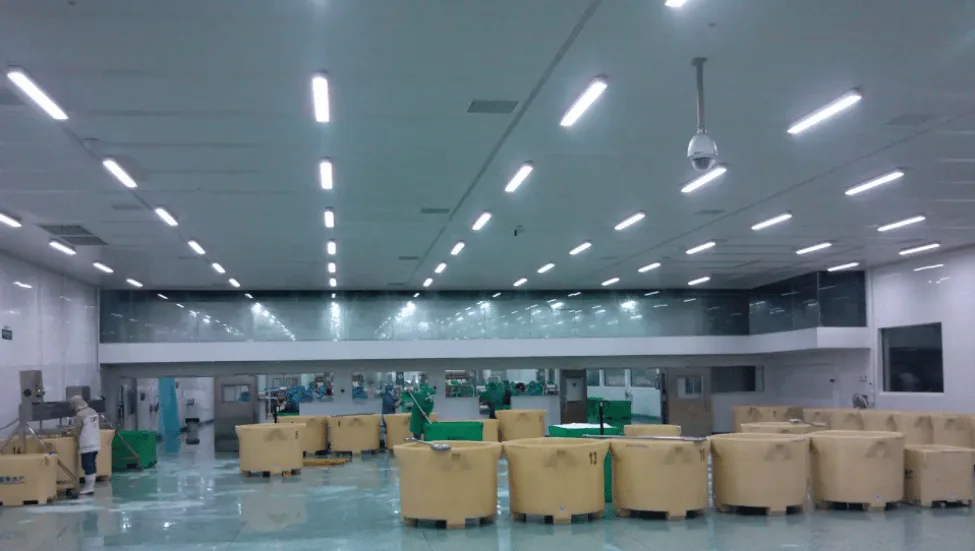
Large commercial and industrial lighting projects often require substantial quantities of fixtures with consistent specifications. Managing these orders involves more than supplying products in bulk, as project teams may also need technical information, coordinated production, packaging, delivery planning, and ongoing communication.
When working with an LED Tri-Proof Light Supplier, buyers should understand how bulk and project orders are handled from initial inquiry through delivery. A structured process can help ensure that product specifications, quantities, timelines, and installation requirements remain aligned throughout the project.
Understanding Project Requirements
Bulk orders typically begin with a clear understanding of the project’s lighting requirements. Buyers may need fixtures with specific wattages, lumen outputs, color temperatures, dimensions, or protection ratings.
Providing accurate project information allows the supplier to identify suitable product configurations and determine the quantities required for different areas.
Confirming Product Specifications
Consistency is particularly important when purchasing large quantities of lighting products. Small differences in specifications can create variations in brightness, color appearance, or installation compatibility.
Before confirming an order, buyers should review the exact model, electrical specifications, dimensions, IP rating, color temperature, and other relevant characteristics.
Managing Large Quantities
Bulk orders can involve dozens, hundreds, or thousands of fixtures. Suppliers need appropriate processes for production planning, inventory management, packaging, and order coordination.
Buyers should confirm that the supplier can handle the required quantity while maintaining consistent product specifications across the order.
Planning Production Schedules
Project orders may require products to be available according to a specific construction or installation schedule. Production time can therefore be an important consideration.
Before placing an order, project teams should discuss expected production timelines and identify any factors that could affect the schedule, particularly when products are manufactured or configured specifically for the project.
Coordinating Product Configurations
A single project may require multiple fixture configurations. Different areas can have different requirements for wattage, dimensions, color temperature, or mounting arrangements.
Suppliers can help organize these variations so that each product configuration is clearly identified and matched to the appropriate project requirement.
Supporting Pre-Order Technical Review
Technical review before production or shipment can help identify potential issues early. Project teams may review product specifications, drawings, installation information, or samples before confirming a larger order.
This stage provides an opportunity to verify that the selected fixtures are compatible with the intended electrical and physical installation conditions.
Managing Quality During Bulk Production
Quality control becomes especially important when producing large quantities of the same product. Consistent manufacturing and inspection procedures can help reduce variation between individual fixtures.
Depending on the project, buyers may ask about production inspections, performance testing, component checks, and final quality control procedures.
Handling Packaging and Shipment
Proper packaging is important when large quantities of lighting fixtures are transported. Products need to be protected from physical damage during handling and shipping.
For project orders, packaging and labeling can also support easier inventory management. Clear identification of models and quantities can help contractors organize products when they arrive at the installation site.
Coordinating Delivery Requirements
Large projects may require products to arrive according to specific phases rather than all at once. Delivery schedules can depend on construction progress, storage capacity, and installation plans.
Buyers should discuss delivery expectations in advance and confirm how quantities, shipping arrangements, and delivery dates will be coordinated.
Maintaining Communication Throughout the Order
Clear communication can help prevent misunderstandings during a bulk order. Changes in quantities, specifications, delivery dates, or installation requirements should be communicated as early as possible.
A defined contact point for project-related questions can also make it easier for procurement teams, contractors, and suppliers to coordinate different stages of the order.
Supporting Future Reorders
Large facilities may need additional fixtures after the initial installation for expansion, replacements, or new areas. Maintaining consistent product specifications can make future orders easier to manage.
Before completing a project, buyers can retain model numbers, technical specifications, and purchasing records so compatible products can be identified later.
Questions to Ask Before Placing a Bulk Order
Project buyers can clarify several important points before confirming an order:
- What quantities can be supplied within the required timeframe?
- Are the exact product specifications confirmed?
- What is the expected production lead time?
- How is quality checked during bulk production?
- How will products be packaged and labeled?
- What delivery arrangements are available?
- How are specification or quantity changes handled?
- What documentation will accompany the order?
- How are warranty and replacement issues managed?
Getting clear answers can help project teams plan procurement more effectively.
Conclusion
LED tri-proof light suppliers handle bulk and project orders through a combination of product planning, specification confirmation, production coordination, quality control, packaging, delivery management, and ongoing communication.
For large commercial and industrial projects, buyers should confirm requirements early and maintain clear records throughout the ordering process. Reviewing quantities, specifications, production timelines, quality procedures, and delivery arrangements can help create a more organized procurement process and support successful project installation.
