

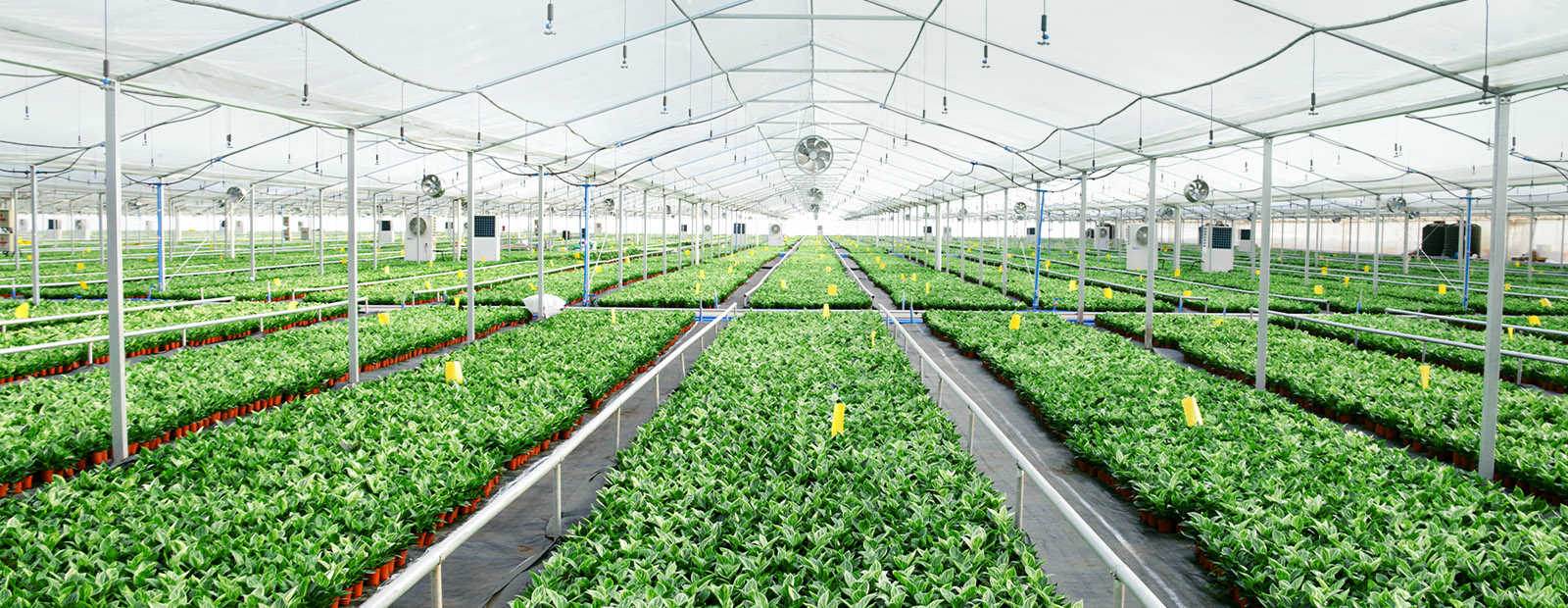
Acclimatization is an important stage after receiving tissue culture plants. Plants developed in controlled laboratory environments are accustomed to specific humidity, light, temperature, and airflow conditions, so they need time to adjust before being moved into standard nursery or greenhouse conditions.
When purchasing Tissue Culture Plants for Sale, buyers should prepare the acclimatization area before the shipment arrives. A controlled transition can help plants adapt gradually and establish stronger growth after transplantation.
Why Acclimatization Is Necessary
Laboratory conditions are designed to support plant development under controlled environmental conditions. High humidity and limited airflow inside culture vessels differ considerably from the conditions found in a typical nursery.
When plants are removed from these conditions, they may lose water more quickly and experience stress. Acclimatization gives them time to develop greater tolerance to the external environment.
Prepare the Receiving Area
The acclimatization area should be ready before plants arrive. Clean work surfaces, suitable growing media, appropriate containers, and environmental controls can make the transition more organized.
The specific conditions required depend on the plant species and development stage. Buyers should therefore follow crop-specific recommendations rather than applying identical conditions to every plant.
Handle Plants Carefully
Newly removed tissue culture plants can be delicate. During transplantation, roots and shoots should be handled carefully to minimize physical damage.
If plants arrive in culture vessels, remove residual culture material according to the appropriate handling procedure and transfer the plants into a suitable growing medium without unnecessarily disturbing the developing roots.
Manage Humidity Gradually
High humidity is commonly maintained during the early acclimatization period because young plants may not yet regulate water loss efficiently.
Humidity should generally be reduced progressively as plants become established. Rapidly exposing them to dry conditions can increase water stress and may cause leaf damage or wilting.
Introduce Light Gradually
Plants that have developed under controlled laboratory lighting may require time to adjust to stronger nursery or greenhouse light.
Begin with an appropriate light level for the crop and increase exposure gradually as plants develop. Avoid assuming that immediate exposure to intense direct sunlight is suitable for newly transplanted plantlets.
Maintain Suitable Temperature
Temperature should remain within a suitable range for the particular species and cultivar. Large fluctuations can increase stress during the early transition period.
Monitoring the acclimatization area regularly allows growers to identify temperature problems and make adjustments before they affect a larger portion of the batch.
Choose the Right Growing Medium
The growing medium should provide adequate moisture retention, drainage, aeration, and root support. Excessive moisture can create unfavorable root conditions, while insufficient moisture can increase dehydration.
A clean, consistent medium also helps growers maintain more predictable conditions during the early establishment stage.
Manage Water Carefully
Watering requirements can change as plants move through acclimatization. Newly transplanted plants may require careful moisture management, but continuously saturated media can create problems for developing roots.
Instead of following a rigid schedule, growers should monitor the plants and growing medium and adjust irrigation according to environmental conditions and plant response.
Monitor Plant Development
Regular observation is essential during acclimatization. Look for new leaves, root development, stable coloration, and signs of stress.
Useful indicators to monitor include:
- Leaf condition
- New growth
- Root development
- Moisture levels
- Humidity
- Temperature
- Light exposure
- Signs of contamination or disease
Keeping records can help identify patterns and improve future acclimatization procedures.
Allow a Gradual Transition
Acclimatization should not be treated as a single step. As plants become stronger, humidity, airflow, light, and other environmental conditions can be adjusted toward normal nursery levels.
The length of the process varies by species, cultivar, plant stage, and facility. Plant response should guide the pace of transition rather than an arbitrary timetable.
Managing Large Shipments
Commercial buyers receiving large quantities need an organized approach. Plants can be grouped according to variety, batch, or development stage to make monitoring easier.
For example, when receiving plants from a supplier such as Young Plants, recording batch information and establishment results can help growers compare performance between different shipments.
Common Acclimatization Problems
Several practices can increase stress during the transition:
- Reducing humidity too quickly
- Exposing plants to intense light immediately
- Overwatering the growing medium
- Allowing plants to dry out excessively
- Providing unsuitable temperatures
- Handling roots too roughly during transplantation
- Moving plants into full production conditions too soon
Recognizing these risks can help growers create a more controlled transition.
Final Thoughts
Acclimatization is a key step between tissue culture production and regular nursery cultivation. Plants need time to adapt to changes in humidity, light, temperature, airflow, and water availability.
By preparing the receiving environment in advance, handling plants carefully, and adjusting conditions gradually, growers can provide a more suitable environment for newly purchased tissue culture plants and monitor their establishment effectively.
