

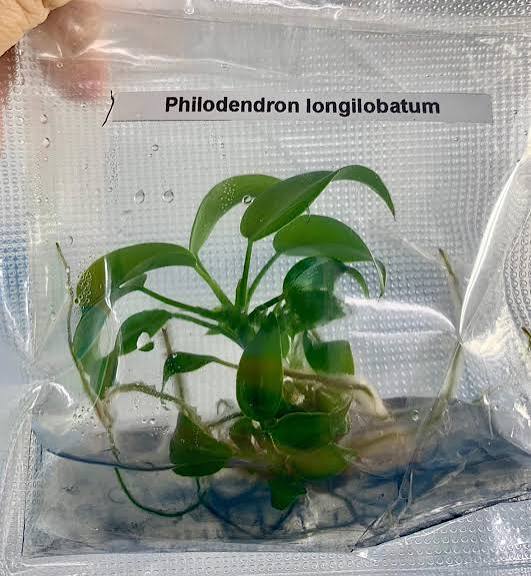
Philodendrons are widely appreciated for their attractive foliage, diverse growth habits, and adaptability to different indoor environments. From colorful variegated varieties to large tropical species, these plants have become important products in the ornamental horticulture market. As demand increases, growers need reliable propagation methods that can produce healthy plants in larger quantities while maintaining desirable characteristics.
Tissue culture has become an effective solution for meeting these production requirements. Through controlled laboratory techniques, growers can multiply selected plant material and develop young plants under carefully managed conditions. This approach supports the production of Tissue Culture Philodendron varieties with relatively consistent characteristics, making it useful for commercial nurseries, plant suppliers, and horticultural businesses.
Understanding Tissue Culture in Philodendron Production
Tissue culture, also known as micropropagation, is a modern plant propagation technique that involves growing new plants from small sections of existing plant tissue. The process takes place in sterile containers containing nutrient-rich media that support cellular development.
These media typically contain essential minerals, vitamins, sugars, and plant growth regulators. Under suitable laboratory conditions, the plant tissue develops into shoots and roots, eventually producing complete plantlets.
For Philodendrons, tissue culture offers an opportunity to multiply desirable varieties without relying entirely on conventional methods such as stem cuttings or division.
The technique is particularly valuable for varieties that have high commercial demand or require more controlled propagation to maintain selected characteristics.
How Tissue Culture Produces Healthy Philodendron Plants
Plant health is an important consideration in commercial propagation. Tissue culture supports healthy plant development through several carefully managed stages.
1. Selection of Healthy Parent Plants
The process begins with selecting suitable parent plants that display desirable characteristics and good overall health.
Growers examine features such as leaf shape, coloration, growth patterns, and the condition of the stems and roots. Choosing appropriate starting material helps establish a reliable foundation for propagation.
2. Proper Sterilization of Plant Material
Small sections of plant tissue, known as explants, are collected and sterilized before being introduced into culture containers.
Sterilization helps reduce bacteria, fungi, and other contaminants that could interfere with plant development.
Maintaining clean equipment, suitable laboratory conditions, and proper handling procedures is essential throughout this stage.
3. Controlled Nutrient Supply
Tissue culture plants develop in specially prepared nutrient media. These media provide the essential elements required for cellular growth and development.
The composition of the medium can be adjusted according to the Philodendron variety and its developmental stage.
Providing suitable nutrients helps encourage healthy shoot formation and root development.
4. Regulated Environmental Conditions
Temperature, lighting, humidity, and other environmental factors are carefully monitored during laboratory propagation.
Unlike outdoor propagation, laboratory conditions allow growers to maintain a more consistent environment. This can reduce exposure to sudden environmental changes during the early stages of plant development.
5. Careful Root Development
Healthy roots are necessary for absorbing water and nutrients after plantlets leave the laboratory.
During the rooting stage, young shoots are transferred to suitable culture media that encourage root formation. Well-developed roots improve the chances of successful establishment during acclimatization.
How Tissue Culture Helps Maintain Uniform Philodendron Plants
Uniformity is particularly important for nurseries and commercial growers that need consistent products across multiple production batches.
Tissue culture supports this objective in several ways.
Multiplication from Selected Plant Material
Micropropagation allows growers to multiply plant material selected for desirable characteristics.
When suitable propagation techniques are used, the resulting plants can retain important features of the original material, including leaf shape, growth habits, and other ornamental traits.
Consistent Production Conditions
All plantlets within a laboratory batch can develop under similar conditions.
Controlled lighting, nutrient formulations, temperature, and humidity help reduce environmental differences during early plant development.
Better Batch Management
Laboratories can organize plantlets according to variety, propagation stage, and production batch.
This makes it easier to monitor development, identify unusual growth, and maintain organized production records.
Reduced Dependence on Random Propagation Material
Traditional propagation sometimes involves cuttings from different sections of mature plants, which may vary in maturity and development.
Tissue culture uses carefully selected explants and standardized procedures, helping improve consistency during multiplication.
It is important to understand that uniformity is not guaranteed. Genetic variations, especially in certain variegated cultivars, can still occur. Proper selection and quality control remain essential.
Popular Philodendron Varieties Produced Through Tissue Culture
Several ornamental Philodendrons attract interest from tissue culture laboratories and commercial nurseries.
Philodendron Pink Princess
<AsyncImage query=”Philodendron Pink Princess dark green pink variegated leaves houseplant” aspectRatio=”16:9″ width=”100%”/>
Pink Princess is known for its dark green foliage decorated with pink variegation. Its distinctive appearance makes it popular among collectors and indoor plant enthusiasts.
Tissue culture can help increase its availability, although maintaining attractive and stable variegation requires careful selection and monitoring.
Philodendron White Princess
<AsyncImage query=”Philodendron White Princess green white variegated foliage plant” aspectRatio=”16:9″ width=”100%”/>
White Princess features green leaves with white or cream-colored patterns. Some plants also display subtle pink coloration on their stems.
Its attractive foliage and relatively compact growth make it suitable for ornamental indoor collections.
Philodendron Birkin
<AsyncImage query=”Philodendron Birkin plant white striped dark green leaves” aspectRatio=”16:9″ width=”100%”/>
Philodendron Birkin is recognized for its dark green leaves with fine white or cream-colored stripes.
Its upright growth habit and decorative foliage make it a popular choice for homes, offices, and plant displays.
Philodendron Gloriosum
<AsyncImage query=”Philodendron Gloriosum large velvety heart shaped leaves white veins” aspectRatio=”16:9″ width=”100%”/>
Gloriosum is appreciated for its large, heart-shaped leaves, velvety texture, and prominent pale veins.
This creeping Philodendron is especially attractive to collectors interested in large tropical foliage.
Philodendron Melanochrysum
<AsyncImage query=”Philodendron Melanochrysum dark velvety elongated leaves golden veins” aspectRatio=”16:9″ width=”100%”/>
Melanochrysum is a climbing variety with elongated, dark velvety leaves and contrasting golden-green veins.
Its dramatic foliage makes it an attractive addition to specialist plant collections.
The Importance of Acclimatization in Producing Healthy Plants
Laboratory-grown Philodendrons initially develop in controlled environments with high humidity and limited exposure to normal atmospheric conditions.
When removed from culture containers, they must gradually adapt to their new surroundings. This process is called acclimatization or hardening off.
Several practices help improve acclimatization success.
- Gradual humidity adjustment: Reduce humidity progressively rather than exposing plantlets to dry air immediately.
- Filtered lighting: Provide bright, indirect light to prevent damage to delicate leaves.
- Suitable growing media: Use loose, well-draining substrates that support root development.
- Controlled watering: Maintain consistent moisture without allowing the growing medium to become waterlogged.
- Regular inspection: Monitor leaves and roots for discoloration, wilting, or signs of disease.
Successful acclimatization helps young plants establish stronger root systems and adapt to normal nursery conditions.
Factors That Influence Philodendron Plant Health and Uniformity
Although tissue culture provides controlled propagation conditions, several factors determine the final quality of the plants.
Quality of Starting Material
The characteristics of the original plant material influence the development of new plantlets. Selecting healthy parent plants and appropriate explants is therefore essential.
Culture Medium Composition
Nutrient availability and the balance of plant growth regulators influence shoot multiplication, root formation, and overall development.
Different Philodendron varieties may respond differently to the same culture formulation.
Laboratory Hygiene
Poor sterilization practices can lead to bacterial or fungal contamination. Regular cleaning, proper equipment handling, and controlled laboratory procedures help reduce this risk.
Genetic Stability
Some cultivars, particularly those with unusual variegation, may show differences between individual plants.
Monitoring plant development and selecting suitable propagation material helps improve consistency.
Nursery Growing Conditions
After acclimatization, plantlets still require suitable temperatures, humidity, light, watering, and nutrition.
Maintaining appropriate growing conditions is essential for preserving plant health as they mature.
Benefits of Tissue Culture for Commercial Philodendron Growers
Tissue culture offers several practical advantages for businesses involved in ornamental plant production.
Higher multiplication capacity: Laboratories can produce numerous plantlets from relatively small amounts of starting material.
Efficient space utilization: Many young plants can initially develop in compact culture containers.
More predictable production: Controlled environments allow growers to organize propagation schedules throughout the year.
Improved inventory management: Organized production batches help nurseries monitor plant quantities and developmental stages.
Greater variety selection: Tissue culture can support the propagation of desirable cultivars that may be difficult to multiply quickly through traditional methods.
Potentially cleaner planting material: Proper sterile techniques reduce the risk of introducing certain contaminants during propagation, although plants still require inspection and quality control.
How to Select a Reliable Tissue Culture Philodendron Supplier
Choosing suitable planting material is just as important as selecting the correct propagation method.
Commercial buyers and plant enthusiasts should consider the following points before purchasing:
- Variety authenticity: Confirm the botanical identification and cultivar name.
- Plant condition: Check for healthy leaves, developed roots, and signs of active growth.
- Propagation standards: Ask about laboratory hygiene and contamination-control procedures.
- Acclimatization stage: Determine whether the plants are still in laboratory containers or have adapted to nursery conditions.
- Packaging quality: Ensure that plants are packed appropriately to minimize damage during transportation.
- Supplier experience: Consider the supplier’s production capabilities, communication, and quality-control practices.
For wholesale orders, buyers should also clarify minimum order quantities, shipping arrangements, and applicable plant health documentation.
Future Developments in Tissue Culture Philodendron Production
Advances in plant biotechnology continue to improve ornamental plant propagation. Research into optimized culture media, growth regulator combinations, and multiplication protocols is helping laboratories refine their production methods.
Automation and improved environmental monitoring may also make laboratory operations more efficient.
For Philodendron growers, these developments could support better control over plant development, improved production planning, and wider availability of selected varieties.
Businesses such as Young Plants operate within this expanding tissue culture plant market, where propagation efficiency and consistent plant quality are important considerations.
Conclusion
Tissue culture plays an important role in producing healthy and relatively uniform Philodendron plants. By using selected plant material, sterile laboratory procedures, controlled nutrient media, and carefully managed growing conditions, laboratories can multiply desirable varieties efficiently.
The technique offers benefits such as increased production capacity, better batch management, and improved access to popular ornamental cultivars. However, maintaining plant health and consistency requires attention to genetic stability, laboratory hygiene, and successful acclimatization.
For plant enthusiasts, nurseries, and commercial growers, understanding these processes provides a useful foundation for selecting and cultivating high-quality Philodendrons.
