

Buying bags in bulk can be a practical way for retailers, distributors, and business owners to manage inventory and reduce purchasing costs. However, successful bulk purchasing requires more than selecting attractive products at competitive prices. Buyers must evaluate material quality, product design, supplier reliability, order quantities, and delivery arrangements before making a commitment. Careful planning helps businesses avoid unnecessary expenses and maintain products that meet customer expectations.
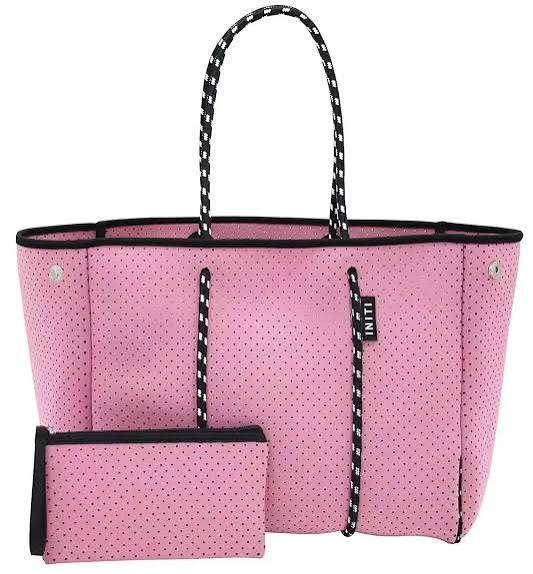
Neoprene bags have become a popular choice in the accessories market because of their lightweight structure, flexibility, cushioning properties, and modern appearance. Businesses exploring Neoprene Bag Wholesale options can find products suitable for shopping, travel, beach activities, cosmetics, and everyday use. Understanding the important purchasing factors can help buyers select suitable products and establish a more efficient sourcing process.
1. Understand Your Target Market
Before placing a bulk order, identify the customers you want to serve. Different markets have different expectations regarding bag size, appearance, functionality, and price.
For example, customers shopping for beach accessories may prefer spacious bags with comfortable handles, while professionals may look for compact designs suitable for carrying personal belongings or electronic devices.
Consider the following questions:
- Who are your primary customers?
- Which bag styles are most suitable for your market?
- What price range are customers willing to pay?
- Are customers more interested in functionality, appearance, or both?
- Is demand seasonal or consistent throughout the year?
Understanding these preferences helps businesses avoid purchasing products that may remain unsold.
2. Evaluate Neoprene Material Quality
Material quality is one of the most important considerations when purchasing neoprene bags in large quantities. Although products may look similar in photographs, their actual construction and performance can differ significantly.
Neoprene is a synthetic rubber material known for flexibility, cushioning, and resistance to everyday moisture. Its characteristics make it suitable for different bag applications.
When evaluating material quality, examine:
- Thickness: Different thicknesses affect the bag’s structure, weight, and cushioning.
- Density: Material density can influence flexibility and overall feel.
- Texture: Surface finishing affects appearance and handling.
- Elasticity: The material should provide suitable flexibility for its intended application.
- Color consistency: All products in a bulk order should maintain a consistent appearance.
Requesting material specifications and physical samples can help buyers compare different manufacturing options.
3. Select the Right Bag Styles and Sizes
Neoprene bags are available in various designs, and selecting the appropriate styles is essential for maintaining a balanced product collection.
Some popular categories include:
Neoprene Beach Bags
These bags generally feature spacious interiors for carrying towels, sunscreen, clothing, and other outdoor essentials. They are suitable for beach trips, swimming activities, and vacations.
Neoprene Tote Bags
Tote bags are versatile accessories commonly used for shopping, commuting, and everyday activities. Their simple structure makes them suitable for different customer groups.
Neoprene Cosmetic Bags
These compact bags provide storage for makeup, skincare products, and personal care accessories. They are useful for everyday organization and travel.
Neoprene Laptop Bags
Laptop sleeves and bags are designed to provide cushioning against minor scratches and everyday contact. Buyers should check dimensions carefully to ensure compatibility with different devices.
Choosing a combination of practical and visually appealing designs can help retailers reach a broader audience.
4. Compare Minimum Order Quantities
Minimum order quantity (MOQ) is an important factor when purchasing products directly from manufacturers. Suppliers establish MOQs to maintain production efficiency and manage material usage.
The required quantity may vary depending on the product design, color selection, customization requirements, and manufacturing process.
Small businesses should look for suppliers offering flexible purchasing arrangements, while larger retailers may benefit from ordering higher quantities when demand is predictable.
Before confirming an order, clarify whether the MOQ applies to the entire order or separately to each style and color.
5. Consider Customization Options
Customization allows businesses to develop products that reflect their brand identity and customer preferences. It can also help retailers differentiate their collections from standard market offerings.
Depending on manufacturing capabilities, customization options may include:
- Custom colors and printed patterns.
- Embroidered or printed logos.
- Different dimensions and bag shapes.
- Additional pockets and compartments.
- Customized handles and shoulder straps.
- Special zippers and closure systems.
- Branded tags and packaging.
Before ordering customized products, ask the manufacturer about design requirements, development costs, sample approval, and additional production time.
It is also important to confirm that the final products will match the approved design.
6. Inspect Stitching and Construction Quality
A bag’s durability depends not only on its material but also on how it is manufactured. Poor stitching, weak handles, and improperly attached components can affect product performance.
During sample evaluation, pay attention to the following details:
Stitching consistency: Seams should be even, secure, and free from obvious defects.
Handle attachment: Handles should be firmly connected to the main body of the bag.
Zipper performance: Zippers should move smoothly without catching or becoming difficult to operate.
Edge finishing: Edges should be properly finished to maintain a neat appearance.
Shape and dimensions: Products should match the agreed measurements and design specifications.
These checks are particularly important when ordering large quantities because small manufacturing inconsistencies can affect many units.
7. Request Samples Before Bulk Production
Never rely entirely on product photographs when making a large purchasing decision. Images may not accurately represent the material thickness, actual color, stitching quality, or overall construction.
Request samples of the exact products you intend to order.
If your order includes multiple colors or designs, inspect representative samples from each variation. For customized products, approve a sample featuring the final logo, printing, and accessories.
Once approved, keep a record of the sample specifications. This provides a useful reference when evaluating the completed production order.
8. Compare Wholesale Pricing Carefully
Price is an important part of bulk purchasing, but the lowest quotation does not necessarily provide the best overall value.
Wholesale pricing depends on several factors, including:
- Neoprene material quality and thickness.
- Bag dimensions and design complexity.
- Total order quantity.
- Printing and customization requirements.
- Additional accessories and compartments.
- Packaging specifications.
- Manufacturing and labor expenses.
Request detailed quotations from multiple suppliers to understand the differences between their offers.
Businesses should also calculate the landed cost, which includes the product price and additional expenses such as freight, insurance where applicable, customs duties, and handling charges.
This gives a more realistic picture of the total purchasing investment.
9. Check Supplier Manufacturing Capabilities
A supplier’s manufacturing capabilities can influence product consistency, order flexibility, and delivery performance.
Before selecting a manufacturer, review its experience with neoprene products and its ability to handle your required order volume.
Useful questions include:
- What types of neoprene bags can the manufacturer produce?
- Can it handle customized designs?
- Does it have established quality inspection procedures?
- Can it maintain consistent quality across large orders?
- What is its typical production capacity?
- Can it support repeat orders?
A supplier with suitable manufacturing resources is generally better positioned to handle changing business requirements.
10. Evaluate Production and Shipping Times
Delivery schedules should be considered before confirming any bulk order, especially when products are intended for seasonal sales or promotional campaigns.
Production time depends on order quantity, design complexity, material availability, and customization requirements.
Shipping time varies according to the destination, transportation method, customs procedures, and logistics arrangements.
Buyers should confirm:
- Estimated sample preparation time.
- Bulk production schedule.
- Expected completion date.
- Shipping method and estimated transit time.
- Packaging and shipping documentation.
- Procedures for communicating unexpected delays.
Planning these details in advance helps businesses maintain appropriate inventory levels.
11. Understand Packaging Requirements
Packaging is another factor that should not be overlooked when buying neoprene bags in bulk. Proper packaging helps protect products during storage and transportation.
Retailers may require individual polybags, protective packaging, product labels, barcode stickers, or branded boxes, depending on their distribution channels.
Before production begins, discuss packaging specifications with the supplier. Also, consider whether the packaging is suitable for warehouse storage, retail display, and online order fulfillment.
Businesses selling through e-commerce platforms may have different packaging requirements from those supplying physical retail stores.
12. Establish Clear Payment and Order Terms
Clear purchasing agreements help prevent misunderstandings between buyers and suppliers.
Before making payment, review the quotation, pro forma invoice, order specifications, and agreed delivery conditions.
Important details include:
- Total order value and currency.
- Deposit and remaining payment arrangements.
- Product quantities and specifications.
- Customization requirements.
- Production and delivery deadlines.
- Inspection and defect-handling procedures.
- Shipping responsibilities.
Using documented agreements provides a clearer reference if questions or disputes arise during the purchasing process.
13. Plan Inventory According to Demand
Buying too many products can increase storage expenses and tie up working capital. Ordering too few can result in stock shortages and missed sales opportunities.
Retailers should use previous sales records, customer feedback, seasonal trends, and market research to estimate demand.
For example, beach bags may experience increased demand during summer and holiday periods. Cosmetic bags and everyday tote bags may have broader year-round applications.
A balanced purchasing strategy allows businesses to maintain sufficient stock without accumulating unnecessary inventory.
14. Avoid Common Bulk Purchasing Mistakes
Even well-planned businesses can encounter problems when ordering large quantities. Avoiding common mistakes can make the purchasing process more predictable.
Some issues to watch for include:
- Selecting a supplier based only on the lowest quotation.
- Skipping sample inspection before production.
- Ignoring material and construction specifications.
- Ordering excessive quantities without market research.
- Failing to calculate shipping and import expenses.
- Overlooking quality inspection arrangements.
- Not confirming production and delivery schedules.
Taking time to evaluate these details can help buyers reduce financial and operational risks.
Conclusion
Buying neoprene bags in bulk requires careful consideration of product quality, design, order quantities, pricing, customization, supplier capabilities, and delivery arrangements. Each factor contributes to the overall value of a wholesale purchase and can influence how successfully products perform in the retail market.
By understanding customer demand, inspecting samples, comparing suppliers, and establishing clear purchasing agreements, retailers and business owners can make more informed decisions. A well-planned bulk purchasing strategy also supports better inventory management, consistent product quality, and long-term business growth.
