

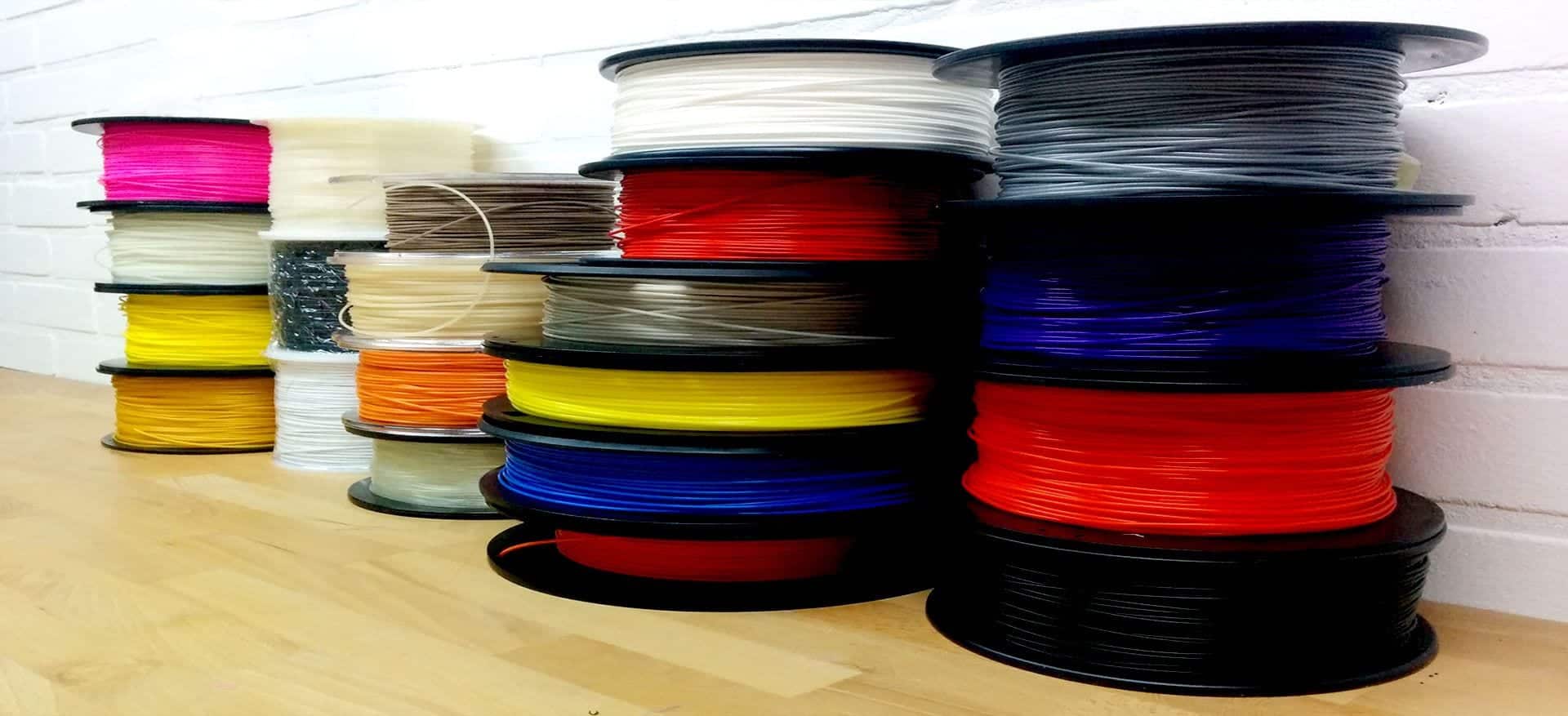
PETG-Basic has become a widely used material in 3D printing due to its balance of strength, ease of use, and reliable performance. It is suitable for both early-stage design work and functional end-use parts, making it a practical option across multiple industries. From hobby projects to industrial workflows, PETG-Basic supports a smooth transition from concept to production.
In many real-world applications, PETG-basic offers a dependable combination of durability and printability. This makes it especially valuable for users who need consistent results without the complexity of advanced engineering materials.
Why PETG-Basic Is Ideal for Multiple Stages of Development
One of the key strengths of PETG-Basic is its versatility across different phases of product development. It can be used in prototyping, testing, and even final production depending on the requirements.
Balanced Material Properties
PETG-Basic offers a combination of:
- Moderate strength and flexibility
- Good impact resistance
- Low warping during printing
- Stable dimensional accuracy
These properties allow it to perform reliably in both experimental and functional environments.
PETG-Basic in Prototyping
Prototyping is one of the most common uses of PETG-Basic. Designers and engineers rely on it to quickly test ideas and validate designs before moving to mass production.
Functional Testing Prototypes
PETG-Basic is suitable for prototypes that require real-world testing:
- Mechanical fit checks
- Functional assembly testing
- Stress and load evaluation
Its strength ensures that prototypes behave similarly to final products.
Design Iteration and Development
Because it is easy to print and modify, PETG-Basic supports rapid design improvements.
- Fast turnaround for new versions
- Reduced material waste
- Reliable repeatability in test prints
This helps accelerate product development cycles.
PETG-Basic in Industrial Applications
Beyond prototyping, PETG-Basic is also used in light industrial and manufacturing environments.
Tooling and Fixtures
PETG-Basic is commonly used for creating custom tools and production aids.
- Assembly jigs
- Positioning fixtures
- Custom manufacturing guides
Its durability allows these tools to withstand repeated use.
Protective Components
It is also used for non-structural but functional protective parts.
- Machine covers
- Safety guards
- Enclosures for electronics
These components benefit from PETG-Basic’s impact resistance and stability.
PETG-Basic in Production Environments
While not a replacement for injection molding in large-scale manufacturing, PETG-Basic is increasingly used in small-batch and customized production.
Low-Volume Manufacturing
PETG-Basic is ideal for producing limited quantities of parts:
- Custom products
- Spare parts
- Specialized components
This reduces tooling costs and production time.
End-Use Functional Parts
In some cases, PETG-Basic can be used directly for final products.
- Consumer accessories
- Household items
- Utility components
Its durability and consistency make it suitable for real-world use.
Advantages Across All Applications
PETG-Basic offers several benefits that make it useful throughout prototyping and production workflows.
Easy Processing
- Compatible with most FDM printers
- Low warping and good bed adhesion
- Simple printing setup compared to ABS
Reliable Performance
- Strong layer bonding
- Consistent mechanical properties
- Reduced risk of print failure
Environmental Resistance
- Moisture-resistant
- Suitable for indoor and outdoor use
- Stable under moderate temperatures
Limitations in Production Use
While PETG-Basic is versatile, it does have some limitations to consider:
- Not ideal for high-temperature industrial environments
- Surface may show minor imperfections without tuning
- Slight flexibility may not suit rigid structural parts
- Can require adjustment to reduce stringing
Understanding these limitations helps optimize its use in production workflows.
Best Practices for Using PETG-Basic
To achieve better results across prototyping and production:
- Calibrate temperature settings properly
- Optimize retraction to reduce stringing
- Use a stable heated bed surface
- Store filament in a dry environment
- Test small batches before scaling production
These practices improve consistency and print quality.
Conclusion
PETG-Basic is a highly versatile filament that bridges the gap between prototyping and production. Its balance of strength, ease of use, and reliability makes it suitable for a wide range of applications, from early-stage design testing to functional end-use parts.
For users looking for a dependable material that supports both development and production workflows, PETG-Basic offers a practical and efficient solution in modern 3D printing.
