

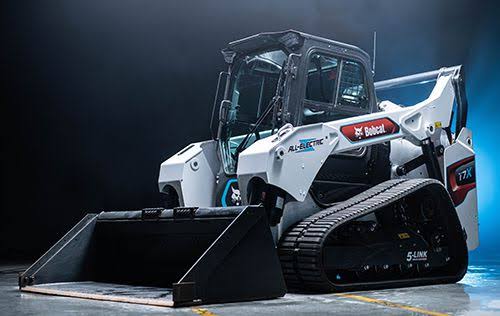
Choosing an electric skid steer loader involves more than comparing prices, battery capacities, or lifting specifications. Buyers also need to understand whether a manufacturer has the engineering expertise, production facilities, testing procedures, and technical support required to deliver reliable equipment. These capabilities influence product performance, operational safety, maintenance requirements, and long-term ownership costs.
A qualified Electric Skid Steer Loaders Manufacturer should be able to explain how its machines are designed, assembled, tested, and supported after delivery. Evaluating these areas helps construction companies, equipment distributors, and fleet managers make informed purchasing decisions based on technical evidence rather than marketing claims alone.
1. Assess Engineering and Product Development Capabilities
Engineering expertise is a useful starting point when evaluating a manufacturer’s technical capabilities. Developing an electric skid steer loader requires coordination between mechanical structures, electric power systems, hydraulic components, operator controls, and safety features.
Manufacturers with established engineering processes should be able to explain how these systems are designed to work together.
Consider asking about the manufacturer’s capabilities in:
- Mechanical design and structural engineering.
- Electric motor and controller integration.
- Battery system selection and installation.
- Hydraulic system design.
- Electronic control and diagnostic functions.
- Product testing and design improvements.
Computer-aided design tools, simulation methods, and prototype testing can support product development. However, the presence of a particular software package does not automatically demonstrate engineering quality. The important question is how the manufacturer uses engineering tools to verify design decisions and address potential problems.
Buyers should also ask whether technical specifications are available for the models under consideration. Clear documentation makes it easier to compare machines and determine whether their capabilities match the intended workload.
2. Examine Battery and Electrical System Expertise
Battery and electrical systems are central to electric skid steer loader performance. Their design affects operating runtime, charging requirements, power delivery, temperature management, and maintenance planning.
A technically capable manufacturer should understand how the battery, battery management system, motor controllers, charger, and electrical protection work together.
When assessing electrical expertise, ask about:
- Battery chemistry and rated capacity.
- Motor power and torque characteristics.
- Battery monitoring and protective functions.
- Charging specifications and compatibility.
- Electrical fault detection and diagnostics.
- Thermal management and operating-temperature limits.
- Battery warranty and replacement procedures.
It is also important to distinguish rated battery capacity from practical operating runtime. Actual runtime depends on workload, attachment use, temperature, terrain, and operator behavior.
Ask the manufacturer how runtime estimates are established and whether test conditions are documented. Reliable technical information should explain the conditions behind performance figures rather than presenting them as universal results.
3. Evaluate Hydraulic System Design and Performance
Although electric skid steer loaders use electric power systems, many still depend on hydraulic equipment for lifting and attachment operation. Hydraulic performance therefore remains an important part of the machine’s overall capability.
Manufacturers should be able to provide relevant hydraulic specifications and explain how the system supports the loader’s intended applications.
Important specifications include:
- Hydraulic flow rate.
- Operating pressure.
- Lift capacity and lift height.
- Auxiliary hydraulic capabilities.
- Attachment compatibility.
- Hydraulic cooling and maintenance requirements.
These figures should be evaluated together. For example, an attachment may require a specific flow rate and pressure to operate correctly. A machine that cannot meet those requirements may be unsuitable even if its general lifting specifications appear adequate.
Buyers should also ask how hydraulic systems are tested during production. Documented inspections and functional tests can help identify leaks, installation problems, or abnormal system behavior before delivery.
4. Review Structural Engineering and Machine Stability
The frame, lift arms, mounting points, and undercarriage must support the machine’s intended workload. Structural design also influences stability, maneuverability, and durability.
A manufacturer should be able to explain the relationship between machine weight, rated operating capacity, tipping load, and attachment compatibility.
Useful information to request includes:
- Rated operating capacity.
- Tipping load, where specified.
- Maximum lift height and reach.
- Overall dimensions and operating weight.
- Approved attachment limits.
- Applicable structural inspection procedures.
A machine’s tipping load should not be confused with its rated operating capacity. These measurements serve different purposes, and operators must follow the manufacturer’s stated limits.
Buyers can also ask how critical structural components are fabricated and inspected. Depending on the design, quality controls may include dimensional checks, weld inspections, and additional testing of selected load-bearing parts.
Technical documentation should clearly identify the machine’s limitations so that buyers can assess its suitability for the work environment.
5. Investigate Manufacturing Facilities and Production Processes
Manufacturing capabilities influence how consistently a company can produce equipment to its approved design. Production facilities may include metal fabrication areas, welding stations, machining equipment, assembly lines, electrical workstations, and testing areas.
The equipment available at a factory is only one part of the assessment. Buyers should also consider how production activities are organized and controlled.
During a factory evaluation or technical discussion, ask about:
- Production workflow and assembly procedures.
- Control of component specifications.
- Welding and fabrication quality checks.
- Electrical and hydraulic assembly practices.
- Staff training and technical supervision.
- Inspection records and defect-handling procedures.
A well-organized production process should help ensure that the correct components are installed and that deviations are identified before the machine is completed.
If an on-site visit is not possible, buyers may request a virtual factory tour, production photographs, process documentation, or other appropriate evidence. These materials can provide useful context, although they should not replace verification of important technical claims.
6. Check Quality Management and Inspection Procedures
Quality management helps a manufacturer maintain consistency across production batches. One widely recognized framework is ISO 9001, which establishes requirements for quality management systems.
Certification can be useful evidence of a structured quality process, but it does not guarantee that every machine will be defect-free. Buyers should verify that a certificate is current, issued by a credible certification body, and relevant to the manufacturing activities involved.
Beyond certification, ask how the manufacturer checks completed equipment.
A quality-control program may include:
- Incoming inspection of materials and purchased components.
- Verification of fabricated structural parts.
- Inspection of electrical and hydraulic installations.
- Functional testing of controls and operating systems.
- Verification of battery-related functions.
- Final inspection and documentation before shipment.
The manufacturer should also have a process for identifying nonconforming products, correcting defects, and preventing recurring problems.
Buyers may request sample inspection records or test reports where available. Clear evidence of actual inspection activities is more informative than a general statement that every product meets high standards.
7. Examine Testing Equipment and Validation Methods
Testing capabilities help determine whether a manufacturer can verify machine performance before delivery. Electric skid steer loaders require checks that cover mechanical operation as well as electrical, battery, and hydraulic systems.
Depending on the machine and the manufacturer’s procedures, testing may include travel and steering checks, lifting operations, attachment functions, charging compatibility, and verification of warning indicators.
Ask the manufacturer which tests are performed on every machine and which are conducted during design validation or periodic quality checks.
Important questions include:
- Are functional tests documented?
- Are hydraulic systems checked for leaks and correct operation?
- Are electrical controls and protective functions verified?
- Is battery and charger compatibility checked?
- Are load tests conducted using defined procedures?
- How are failed tests recorded and resolved?
Testing should be appropriate to the machine’s design and follow specified operating limits. Buyers should not assume that a particular test is performed unless the manufacturer confirms it.
If the machine will be used for a specialized application, request evidence that its specifications and approved configuration are suitable for that work.
8. Verify Safety and Regulatory Knowledge
Technical capability also includes understanding the safety and regulatory requirements that apply to the equipment’s intended market.
Requirements can vary according to the destination country, machine design, and applicable product regulations. A manufacturer serving international markets should be able to identify the relevant requirements and provide the appropriate supporting documentation.
Potential areas of review include:
- Machinery risk assessment.
- Operator protection and control design.
- Electrical and battery safety.
- Warning labels and operating instructions.
- Applicable conformity documentation.
- Requirements for transporting and shipping batteries.
Standards such as ISO 12100 provide a framework for machinery risk assessment and risk reduction. Other standards and legal requirements may apply depending on the machine and destination market.
Buyers should verify the scope and relevance of any certificates, declarations, or test reports provided. A document for one component does not necessarily demonstrate that the complete machine complies with every applicable requirement.
9. Assess Customization and OEM Engineering Support
Some buyers require machines with specific dimensions, branding, battery configurations, attachment interfaces, or operator controls. A manufacturer’s ability to support these requests depends on its engineering resources and production flexibility.
Before requesting customization, determine whether the desired feature is a standard option, a modification to an existing design, or a new engineering requirement.
Ask whether the manufacturer can provide:
- Approved configuration options.
- Technical drawings or specification sheets.
- Assessment of compatibility with existing components.
- Design review for requested modifications.
- Additional testing when changes affect performance or safety.
- Documentation of the final customized configuration.
Changes to paint color or branding usually involve different considerations from changes to the battery system, lifting geometry, or hydraulic architecture.
Substantial engineering changes may affect stability, structural loads, electrical protection, warranty coverage, and regulatory compliance. A capable manufacturer should explain these implications before accepting an order.
10. Evaluate Technical Documentation and Communication
Good technical communication is essential when purchasing equipment from another region or managing a fleet over several years.
The manufacturer should provide accurate, understandable information about machine capabilities, operating limitations, maintenance, and troubleshooting.
Depending on the product and agreement, useful documentation may include:
- Technical datasheets.
- Operator manuals.
- Maintenance schedules.
- Electrical and hydraulic diagrams.
- Battery and charging instructions.
- Parts catalogs.
- Troubleshooting guides.
- Warranty terms and service procedures.
Documentation should correspond to the actual model and configuration being supplied. Generic manuals may not cover the differences introduced by a customized machine.
During the purchasing process, assess how clearly the manufacturer’s technical team answers questions. Consistent specifications, timely responses, and documented explanations can reduce misunderstandings during ordering, installation, and maintenance.
11. Investigate Spare Parts and After-Sales Support
A machine’s technical quality matters, but its long-term usefulness also depends on whether maintenance and repairs can be completed efficiently.
Manufacturers should be able to explain how customers obtain replacement components, technical assistance, and warranty service.
When evaluating support capabilities, ask about:
- Availability of common replacement parts.
- Expected lead times for critical components.
- Warranty claim procedures.
- Remote troubleshooting options.
- Access to service manuals and diagnostic information.
- Technician training and service guidance.
- Support for batteries, controllers, and other specialized components.
Electric skid steer loaders may use components that require specific diagnostic tools or technical knowledge. Buyers should confirm whether the necessary expertise and replacement parts are accessible in their operating region.
For businesses operating multiple machines, a dependable parts supply can help reduce downtime and simplify fleet maintenance planning.
12. Compare Technical Capabilities Using a Structured Checklist
Comparing manufacturers against the same criteria makes it easier to identify meaningful differences. Instead of relying on general claims, buyers can request evidence for each important area.
Use the following checklist during supplier evaluation:
- Technical specifications are complete and consistent.
- Battery capacity, charging requirements, and runtime conditions are explained.
- Hydraulic flow, pressure, and attachment compatibility are documented.
- Rated capacity and machine stability limits are clearly stated.
- Manufacturing and quality-control procedures are described.
- Relevant inspection and test records are available.
- Applicable safety and conformity documentation is provided.
- Customization requests receive a technical feasibility review.
- Operator and maintenance documentation is available.
- Warranty, spare parts, and technical support arrangements are clear.
A buyer can score each manufacturer against these criteria, provided the scoring is based on comparable evidence. Missing information should be treated as a point requiring clarification rather than automatically interpreted as proof of poor quality.
The final decision should balance technical capability with purchase cost, intended workload, delivery requirements, and long-term service needs.
Conclusion
Evaluating an electric skid steer loader manufacturer’s technical capabilities requires a comprehensive review of engineering, battery and electrical systems, hydraulic performance, structural design, manufacturing processes, testing, and after-sales support.
Buyers should look for clear technical specifications, documented quality procedures, appropriate safety compliance, and evidence that completed machines are tested before delivery. They should also assess whether the manufacturer can support customization and provide the documentation and replacement parts needed throughout the equipment’s service life.
By asking targeted questions and comparing suppliers using consistent criteria, businesses can make better-informed purchasing decisions and select electric skid steer loaders suited to their operational requirements.
