

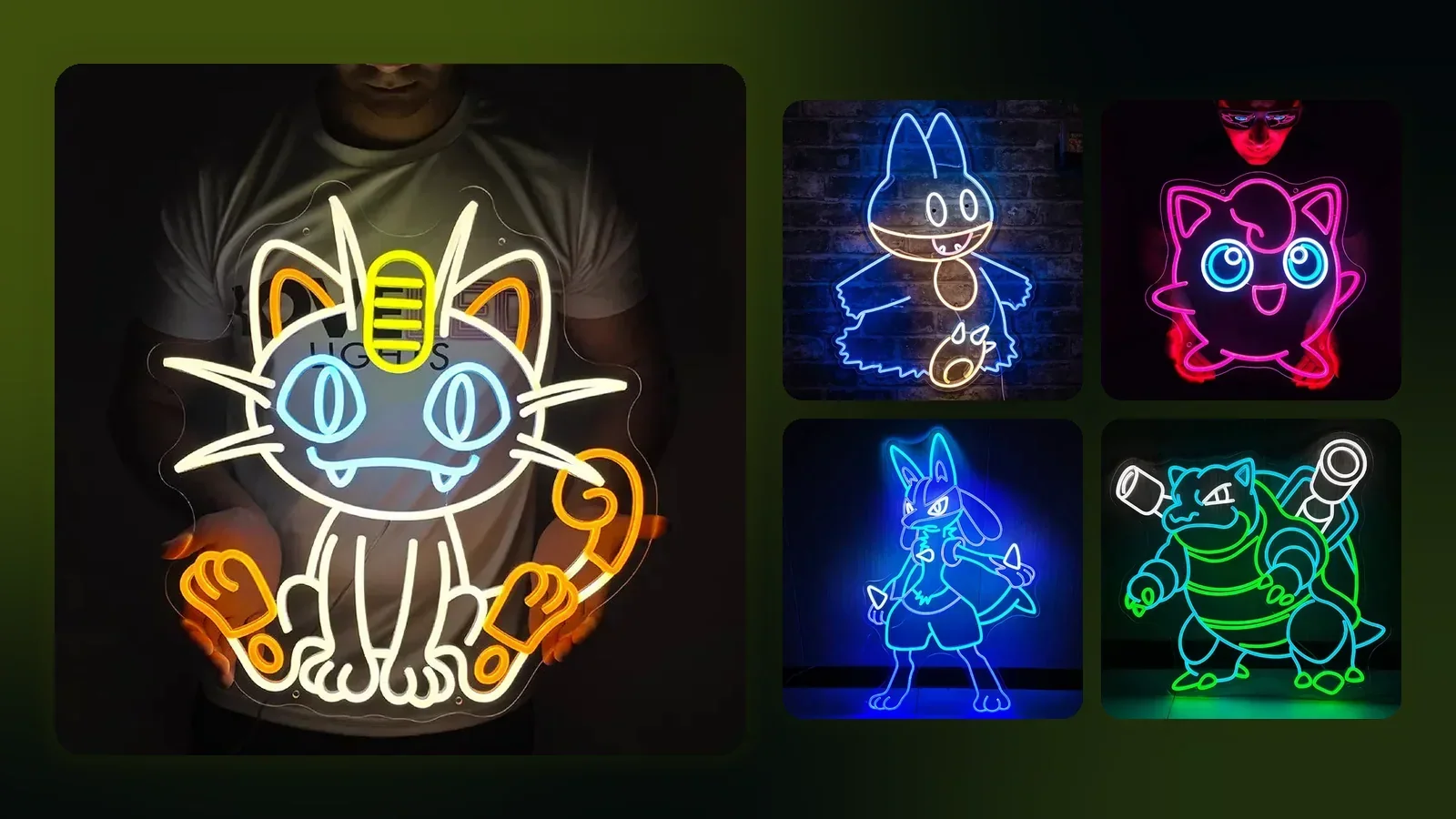
Custom neon signage has become an effective branding solution for businesses that want to improve visibility, create attractive commercial spaces, and communicate their identity through illuminated displays. From retail storefronts and restaurant interiors to office reception areas and entertainment venues, customized signs offer flexibility in both design and application. However, choosing the right supplier can significantly influence the quality, cost, and overall experience of a signage project.
Working directly with a professional Neon Sign Manufacturer allows businesses to communicate their requirements with the people responsible for designing and producing their signs. This direct relationship can simplify decision-making, improve customization, and provide better visibility into the manufacturing process. Understanding these advantages can help businesses determine why direct manufacturer partnerships are often worth considering.
1. Better Communication Throughout the Project
One of the main advantages of working directly with a manufacturer is having a more direct communication channel. Instead of relying on multiple intermediaries, businesses can discuss their requirements with the production team or relevant design specialists.
This makes it easier to explain specific preferences, including:
- Sign dimensions and layout.
- Preferred colors and typography.
- Logo placement and graphic details.
- Lighting requirements.
- Installation location.
- Budget and delivery expectations.
Direct communication also reduces the possibility of misunderstandings between different parties. When technical questions arise, businesses can receive information from professionals familiar with the actual manufacturing process.
2. Greater Customization and Design Flexibility
Businesses often require signage that reflects their unique brand identity rather than standard designs. Working directly with a manufacturer can make the customization process more straightforward.
Customers can discuss their ideas, provide reference images, share logo files, and request adjustments according to their branding requirements.
Customization options may include different fonts, colors, shapes, dimensions, backing materials, and lighting effects.
Direct collaboration also allows businesses to discuss technical limitations before production begins. Manufacturers can suggest practical adjustments that preserve the overall design while ensuring that it can be produced effectively.
3. Better Understanding of Product Quality
When dealing directly with the production company, businesses can ask more detailed questions about materials, components, and manufacturing procedures.
Modern LED neon signs typically use flexible LED strips enclosed in silicone or PVC housing. Other components may include acrylic backing boards, connectors, mounting accessories, and power supplies.
Customers can request information about:
- LED component specifications.
- Material durability.
- Brightness and color consistency.
- Electrical connections and safety.
- Environmental protection for outdoor signs.
- Product testing procedures.
Having access to this information makes it easier to evaluate whether the proposed product meets the project’s quality requirements.
4. More Transparent Pricing
Purchasing directly from a manufacturer can provide greater visibility into the costs associated with a custom signage project.
Depending on the supplier’s pricing structure, removing additional intermediaries may reduce certain markups. However, direct purchasing does not automatically guarantee the lowest price.
Businesses should request detailed quotations explaining material costs, customization charges, production expenses, packaging, and shipping.
A transparent quotation helps customers compare suppliers based on overall value rather than relying exclusively on the initial price.
5. Easier Design Revisions and Approval
Custom signage often requires several discussions before the final design is approved. Working directly with a manufacturer can make this process more efficient.
Businesses can communicate design changes to the people responsible for preparing the production specifications. This may include adjusting lettering, changing colors, modifying dimensions, or repositioning graphic elements.
Digital mockups are particularly useful because they allow customers to review the proposed appearance before physical manufacturing begins.
A clear approval process helps prevent unnecessary revisions and reduces the risk of producing a sign that does not match the customer’s expectations.
6. Improved Production Planning and Scheduling
Direct communication with the manufacturer can also provide better insight into production schedules.
Businesses can discuss expected timelines for artwork approval, material preparation, manufacturing, inspection, and packaging.
This is especially important for companies preparing for store openings, promotional events, exhibitions, or renovations.
Manufacturers can explain which project requirements may affect production time, such as complex designs, large order quantities, or specialized materials.
Although direct communication cannot eliminate every possible delay, it can make project planning more organized and predictable.
7. Access to Technical Knowledge and Recommendations
Professional manufacturers understand the practical and technical requirements involved in producing illuminated signage. Their experience can help customers make decisions that balance appearance, durability, and functionality.
For example, a business may request a detailed logo design that needs adjustments to work effectively with flexible LED tubing. A manufacturer can explain these limitations and suggest suitable alternatives.
Technical guidance may cover:
- Appropriate LED lighting configurations.
- Suitable backing materials.
- Sign dimensions and proportions.
- Power supply requirements.
- Indoor and outdoor applications.
- Mounting and installation arrangements.
This expertise is valuable for businesses that have limited experience purchasing customized signage.
8. Better Quality Control and Accountability
Working directly with the production company can make it easier to understand how quality control is handled.
Manufacturers can explain the inspection procedures used during material preparation, assembly, electrical testing, and final finishing.
Customers can also clarify which specifications the finished sign must meet before accepting the order.
Important quality checks include consistent illumination, secure component installation, correct colors, reliable electrical connections, and clean finishing.
Direct communication also provides a clearer point of contact if a product arrives with defects or does not match the approved design.
9. More Convenient Bulk and Repeat Orders
Businesses with multiple locations often require several signs with consistent branding. Working directly with a manufacturer can simplify repeat orders and larger signage projects.
Once the original design and specifications are approved, they can serve as references for future production.
This helps maintain consistency in:
- Logo dimensions and proportions.
- Brand colors.
- Lettering styles.
- Lighting configurations.
- Backing materials.
- General product specifications.
Direct manufacturer relationships may also make it easier to discuss production capacity, bulk pricing, and scheduling for multiple orders.
However, businesses should confirm that materials and component specifications remain consistent across separate production batches.
10. More Direct Warranty and After-Sales Support
Customer support is another important reason businesses consider purchasing directly from manufacturers.
If technical issues occur after delivery, customers may be able to communicate directly with the company familiar with the product’s design and construction.
Before placing an order, ask about warranty coverage, replacement components, technical assistance, and maintenance recommendations.
It is important to clarify whether the warranty covers LED components, power supplies, manufacturing defects, or other specific parts.
Written warranty conditions provide a clearer understanding of available support and help avoid confusion after purchase.
Why Direct Manufacturer Relationships Matter for Business Branding
Signage is often an important part of a company’s physical brand identity. A poorly designed or inconsistent display can affect how customers perceive a business, while professionally produced signage can reinforce recognition and create a more polished commercial environment.
Working directly with a manufacturer gives businesses greater involvement in the decisions that shape the final product.
From initial design discussions to material selection and production approval, this collaboration can help ensure that signage remains consistent with broader branding objectives.
It can also support long-term relationships that make future signage projects easier to plan and manage.
What to Check Before Working Directly with a Manufacturer
Although direct purchasing offers several advantages, businesses should still evaluate potential suppliers carefully.
Before confirming an order, consider the following:
- Review the manufacturer’s portfolio and previous commercial projects.
- Request detailed product specifications.
- Confirm customization capabilities.
- Ask about production and quality inspection procedures.
- Compare quotations and shipping arrangements.
- Check warranty conditions and after-sales services.
- Request a digital design preview before production approval.
These steps help ensure that the supplier has the necessary capabilities to meet your requirements.
Final Thoughts
Working directly with a professional neon sign manufacturer can offer businesses several practical advantages, including clearer communication, greater customization, improved pricing transparency, and easier access to technical support. It can also simplify design approvals, production planning, quality discussions, and repeat orders.
However, the benefits depend on the manufacturer’s experience, production capabilities, and commitment to customer service. Businesses should evaluate these qualities carefully rather than assuming that every direct supplier offers the same level of service.
By establishing a reliable manufacturing relationship and communicating project requirements clearly, businesses can make better signage decisions and develop illuminated displays that support their branding goals over the long term.
