

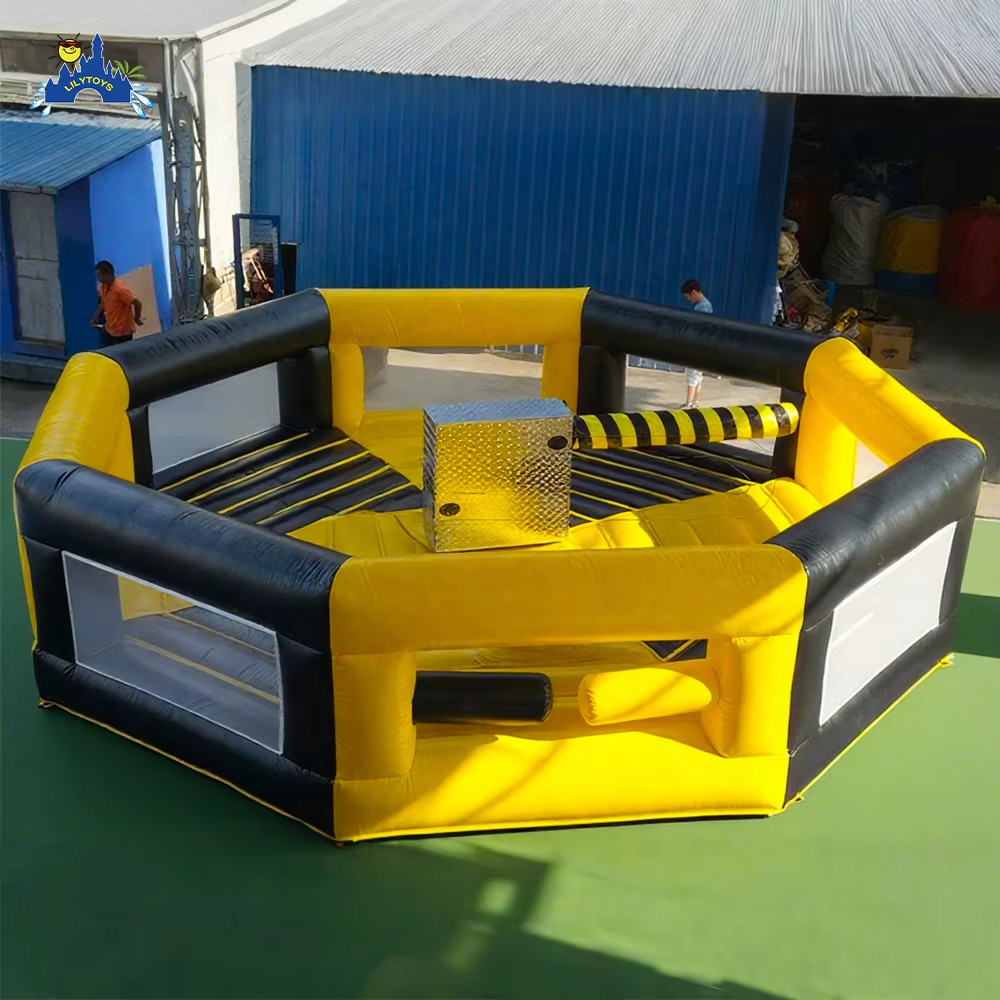
Organizing an engaging event requires activities that bring people together, encourage participation, and create enjoyable experiences for different age groups. Schools, summer camps, and community organizations often look for entertainment options that combine physical movement, teamwork, and friendly competition. Inflatable attractions can help meet these goals by turning ordinary gatherings into interactive experiences.
With a wide variety of designs and activity formats available, Inflatable Games can suit school field days, camp competitions, neighborhood festivals, charity fundraisers, and seasonal celebrations. The key is to choose activities that match the audience, available space, event objectives, and safety requirements. A thoughtful selection can encourage social interaction while keeping participants entertained throughout the event.
Why Inflatable Games Work Well for Group Events
Inflatable activities offer a flexible way to introduce recreational challenges into temporary events. Many structures can be transported and installed at different venues, making them useful for organizations that do not have permanent recreational facilities.
Their appeal also comes from the variety of experiences they provide. Some games focus on physical challenges, while others involve accuracy, coordination, problem-solving, or group participation. This makes it possible to create an event program that accommodates different interests and abilities.
When properly selected and supervised, inflatable activities can support physical activity, cooperation, and a welcoming atmosphere. Organizers should always follow manufacturer instructions, participant limits, and relevant safety requirements.
Creative Inflatable Games Ideas for Schools
School events provide opportunities for students to participate in recreational activities outside the regular classroom environment. Inflatable games can add variety to sports days, school fairs, reward celebrations, and fundraising events.
1. Inflatable Obstacle Course Challenge
An inflatable obstacle course can become the centerpiece of a school field day. Students navigate tunnels, barriers, climbing sections, and other features while attempting to complete the course.
Teachers can organize age-appropriate timed rounds or team relays to encourage participation. Instead of rewarding only the fastest students, schools can recognize teamwork, persistence, and positive sportsmanship.
The course should be selected according to students’ ages, abilities, and the available installation space.
2. Inflatable Basketball Competition
An inflatable basketball game provides a straightforward activity for students who enjoy target-based sports. Participants attempt to score points by shooting basketballs into designated hoops within a set time.
Schools can create friendly class competitions or individual scoring rounds. The format encourages hand-eye coordination, concentration, and turn-taking without requiring a full basketball court.
Use equipment designed for the intended age group and establish clear rules about waiting areas and shooting positions.
3. Inflatable Soccer Target Game
An inflatable soccer target game challenges students to kick a ball toward marked scoring zones. Different target sizes or point values can make the activity suitable for several skill levels.
This option can work well during physical education events, sports festivals, and school fundraisers. Students can compete individually or combine their scores as part of a class team.
Organizers should provide sufficient space for kicking and ensure that spectators remain outside the active playing area.
4. Inflatable Relay Race
Relay races combine movement with teamwork and can be adapted to different event themes. Depending on the equipment, participants may move through a short inflatable course before passing the turn to a teammate.
Teachers can organize teams by classroom or create mixed groups to encourage new friendships. Simple rules and clearly marked starting and finishing points help keep the activity organized.
5. Inflatable Skill Stations
A series of smaller inflatable games can create a rotation-based activity program. Stations might include throwing challenges, target games, basketball shooting, or other interactive tasks.
Students move between stations in assigned groups, allowing schools to distribute participation more evenly. This format is particularly useful when an event includes many students and needs a structured schedule.
Inflatable Games Ideas for Summer Camps
Summer camps often combine outdoor recreation, social development, and group challenges. Inflatable activities can support these objectives by giving campers opportunities to explore new tasks, collaborate with others, and enjoy friendly competition.
6. Camp Team Obstacle Tournament
Divide campers into teams and let them compete in supervised obstacle course rounds. Each team can earn points for completing the course, following instructions, and demonstrating good sportsmanship.
To make the activity more inclusive, organizers can vary the challenges and award points for teamwork rather than speed alone. This approach encourages campers to support one another instead of focusing exclusively on winning.
7. Inflatable Sports Day
An inflatable sports day can combine several activities into one event. Depending on available equipment, the program may include basketball shooting, soccer target challenges, football throwing games, and other sports-themed attractions.
Campers rotate between activities and collect points for their teams. A shared scoring system creates a sense of progression while allowing participants to experience different challenges.
Provide alternatives for campers who prefer less physically demanding activities or need different participation arrangements.
8. Inflatable Adventure Course
An adventure-themed inflatable course can give a camp event a sense of exploration. Tunnels, climbing features, slides, and other suitable elements can be incorporated into a supervised activity area.
Organizers can introduce a simple story, such as completing a mission or reaching a destination, to make the experience more imaginative. The theme should enhance the activity without encouraging unsafe rushing or prohibited climbing.
9. Camp Color Competition
Assign campers to color-based teams and organize several short inflatable challenges throughout the day. Teams can collect points by completing tasks, encouraging teammates, and following the rules.
This format helps create a shared identity and keeps the event varied. It also makes it easier for camp staff to schedule activities and manage participation across different groups.
10. Cooperative Inflatable Challenges
Not every camp activity needs to be a race. Cooperative challenges can focus on helping teammates complete a task, coordinating movements, or reaching a shared target.
These activities may be particularly useful for camps that emphasize leadership, communication, and personal development. Staff can finish each round with a short discussion about what helped the group work effectively.
Inflatable Games Ideas for Community Events
Community events bring together people with different ages, interests, and physical abilities. The most effective activities offer a variety of participation options and are easy for visitors to understand.
11. Inflatable Family Challenge Zone
A family challenge zone can feature several supervised attractions selected for different age groups. Families may participate together where the equipment permits, or move between activities designed for individual users.
Examples include suitable sports challenges, interactive target games, and age-appropriate obstacle courses. Clearly separated activity areas help organizers manage queues and reduce conflicts between different groups.
12. Inflatable Games Tournament
A community tournament can introduce a friendly competitive element to a neighborhood festival or charity event. Participants register for individual games or join teams that collect points across several rounds.
Organizers can offer different categories based on age or activity type, provided the equipment is appropriate for each group. Small prizes, certificates, or public recognition can make participation more rewarding.
A well-planned tournament should include clear rules, a published schedule, and sufficient time between rounds.
13. Interactive Target Challenge
Inflatable target games can attract visitors who prefer short, skill-based activities. Participants aim at designated targets to score points, complete a task, or improve on a previous attempt.
These attractions can be useful at community fairs, school fundraisers, and charity events because they are often easy to explain and can support organized turns.
Choose equipment that fits the available area and establish clear boundaries to keep spectators away from active play.
14. Inflatable Games for Charity Fundraisers
Inflatable attractions can become part of a fundraising program when organizers connect participation with a clear charitable objective. For example, visitors might purchase activity tickets or contribute toward a fundraising goal through a sponsored challenge.
The fundraising format should be transparent, with clear information about ticket prices, participation rules, and how proceeds will be used. Organizers should also consider whether free activities or discounted participation options are appropriate for the event.
15. Seasonal Inflatable Activity Zone
Seasonal celebrations offer opportunities to build activities around a particular theme. A summer festival may feature outdoor sports challenges, while a school celebration or community holiday event may combine suitable inflatable attractions with themed decorations and music.
Themed activity zones help create a consistent event atmosphere without requiring every attraction to have a custom design. Organizers should select themes that suit the audience and venue while keeping instructions and safety arrangements clear.
How to Organize an Inflatable Games Event Successfully
Creative ideas are most effective when supported by a practical event plan. Schools, camps, and community groups should consider the following factors before choosing equipment.
Identify the Audience and Event Objectives
Begin by determining who will participate and what the event should achieve. A school sports day may emphasize physical activity, while a community festival may prioritize general entertainment and social interaction.
Understanding the audience helps organizers choose activities that are suitable, engaging, and accessible.
Select the Right Mix of Activities
A varied program can appeal to more participants than a single large attraction. Consider combining physical challenges with sports games and skill-based stations.
The number and type of attractions should reflect the expected attendance, available staffing, and time allocated to each activity.
Plan the Venue Layout
Measure the available space and confirm the installation requirements for every attraction. Account for the inflatable structure, anchoring system, safety perimeter, entry and exit points, waiting areas, and spectator movement.
For indoor venues, check ceiling height, power supply, floor suitability, and access routes. For outdoor locations, consider ground conditions, drainage, electrical arrangements, and weather exposure.
Create a Clear Activity Schedule
A schedule helps prevent overcrowding and keeps participants informed about what is happening next. Large groups may benefit from assigned time slots, team rotations, or separate activity zones.
Allow time for instructions, breaks, equipment checks, and transitions between games. Avoid scheduling more participants than the equipment can safely accommodate.
Prepare Staff and Volunteers
Assign responsibility for registration, crowd management, activity supervision, equipment monitoring, and emergency response. Staff should understand the operating instructions and know when an activity must be stopped.
For attractions that require trained operators, confirm that appropriately qualified or competent personnel will be available throughout operation.
Safety Guidelines for Schools, Camps, and Community Events
Safety planning is essential for every inflatable activity, regardless of the event’s size. Organizers should follow the manufacturer’s instructions and any applicable local regulations.
Before opening an attraction, check the following:
- Equipment condition: Inspect seams, fabric, anchor points, inflation tubes, and blower connections.
- Secure installation: Use the specified anchoring method and verify that the structure is stable.
- Participant limits: Follow age, height, weight, and occupancy restrictions.
- Active supervision: Ensure that responsible staff monitor behavior and enforce the rules.
- Weather monitoring: Stop outdoor operations when wind, lightning, or other conditions exceed permitted limits.
- Clear access: Keep entrances, exits, emergency routes, and surrounding areas unobstructed.
- Hygiene and maintenance: Clean, dry, inspect, and store equipment according to manufacturer guidance.
Children should use only attractions appropriate for their age and abilities. Activities involving water require additional safeguards and suitable supervision. If equipment becomes damaged, unstable, or improperly inflated, stop use until the problem has been assessed and corrected.
Making Inflatable Games More Inclusive
An event becomes more welcoming when participants have meaningful choices about how they take part. Not every visitor will enjoy high-energy physical challenges, and some may need adjustments to participate comfortably.
Organizers can offer a combination of active attractions, lower-intensity games, and noncompetitive activities. Clear instructions, reasonable waiting times, accessible routes, and alternative participation options can help more people feel included.
For participants with disabilities, assess the suitability of each activity based on individual needs, equipment design, and the venue. Never assume that an attraction is appropriate without considering accessibility and relevant safety requirements.
Encouraging participation without forcing it helps create a positive environment for children, adults, and families.
Budgeting for Inflatable Games Events
The total cost of an inflatable activity program depends on the size and number of attractions, rental duration, transportation, installation, staffing, and venue requirements.
Renting can be practical for organizations that host occasional school fairs, camp events, or community celebrations. Purchasing may be worth considering when equipment will be used frequently and the organization can manage storage, maintenance, inspections, and repairs.
When comparing suppliers, review the full service package rather than focusing only on the rental price. Confirm setup responsibilities, operating support, insurance arrangements, weather policies, and cancellation terms.
A realistic budget should also include signage, barriers, first-aid arrangements, cleaning supplies, and other resources needed to operate the event responsibly.
Conclusion
Inflatable games offer schools, camps, and community organizations a flexible way to create engaging recreational experiences. From obstacle courses and sports competitions to cooperative challenges and seasonal activity zones, the right selection can encourage movement, teamwork, and social interaction.
Successful events depend on matching activities to the audience, organizing the venue efficiently, preparing staff, and following appropriate safety procedures. With thoughtful planning and a variety of participation options, inflatable attractions can help make school celebrations, camp programs, and community gatherings more enjoyable and memorable.
