

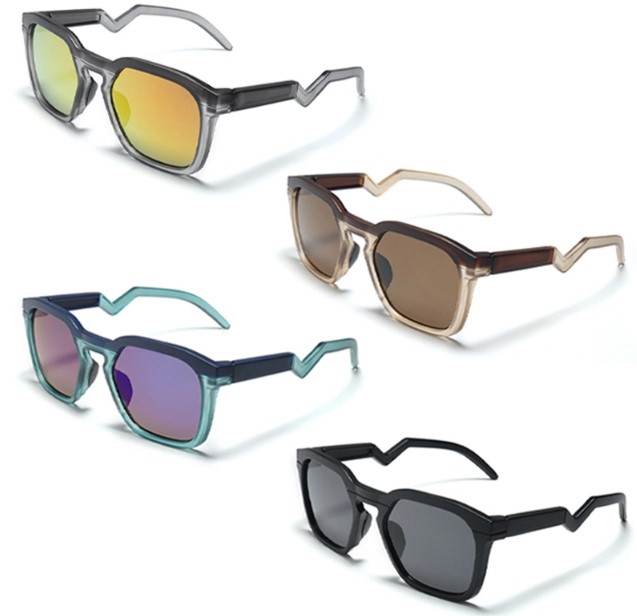
Bulk sunglasses production involves much more than making large quantities of frames. Manufacturers need to coordinate materials, production schedules, quality checks, assembly, packaging, and shipping to deliver consistent products at scale.
A reliable sunglasses factory typically follows a structured production workflow that helps maintain consistency across thousands of units. Each stage requires careful planning because even small differences in frame dimensions, lens quality, or finishing can affect the final batch.
Planning Starts Before Production
Manufacturers usually begin bulk production after confirming product specifications and approving samples. The factory reviews the final design, materials, colors, dimensions, lens requirements, branding details, and packaging instructions.
Production teams then determine the required materials and organize the manufacturing schedule. This planning stage helps the factory allocate equipment, labor, components, and production capacity according to the order.
Clear specifications also reduce the risk of misunderstandings between the buyer and manufacturer.
Procuring Materials for Large Orders
Bulk production requires enough raw materials and components to complete the entire order. Depending on the sunglasses design, these may include frame materials, lenses, hinges, nose pads, screws, logos, and packaging components.
Factories must coordinate material procurement carefully because shortages can interrupt production. Purchasing materials in suitable quantities also helps maintain consistency throughout the order.
For repeat orders, manufacturers may use established material specifications to simplify procurement and maintain product consistency.
Preparing Frames for Production
Frame manufacturing varies according to the selected material and design. Plastic or acetate frames may require cutting, shaping, polishing, and finishing, while metal frames follow different forming and surface-treatment processes.
Machines and production workers work together to produce frames according to approved dimensions. Precision matters because frame alignment and symmetry affect both appearance and wearer comfort.
Factories often inspect components during these stages rather than waiting until the entire product reaches final assembly.
Manufacturing and Preparing Lenses
Lens production or sourcing represents another important part of bulk manufacturing. The required lens material, color, coating, shape, and specifications depend on the product design and target market.
Manufacturers prepare lenses to fit the corresponding frames. Proper sizing helps prevent gaps, excessive pressure, or loose fitting during assembly.
Quality checks may examine lens appearance, dimensions, surface condition, and other agreed specifications before the lenses move to the next production stage.
Managing Large Production Runs
A large order requires an organized production sequence. Factories generally divide work into stages so teams can process components efficiently.
A typical workflow may include:
- Frame production
- Surface finishing
- Lens preparation
- Component inspection
- Assembly
- Final quality inspection
- Cleaning and packaging
- Order preparation for shipment
This structured approach helps production teams track progress and identify problems before they affect the entire batch.
Maintaining Consistency Across Thousands of Units
Consistency presents one of the biggest challenges in bulk sunglasses production. Buyers expect every unit to match the approved sample in dimensions, color, finish, and construction.
Factories use production specifications and inspection procedures to reduce variations. Workers and quality-control teams compare products against established requirements throughout the manufacturing process.
Consistent processes become especially important when an order includes several colors or frame variations.
Assembly and Component Fitting
Once individual components pass the necessary checks, workers assemble the sunglasses. This stage may involve fitting lenses, attaching temples, installing hinges, adding nose pads, and applying branding elements.
Assembly teams need to maintain accurate positioning and secure connections. Poorly fitted components can affect the sunglasses’ appearance, comfort, and durability.
Factories may inspect assembled products before sending them to final quality control.
Quality Control During Bulk Production
Quality control does not have to occur only at the end of manufacturing. Effective factories monitor different stages of production to catch issues earlier.
Inspectors may check:
- Frame alignment
- Surface finish
- Lens condition
- Hinge operation
- Logo placement
- Color consistency
- Assembly quality
- Packaging accuracy
The exact inspection process depends on the manufacturer’s procedures and the buyer’s requirements.
Handling Customized Orders
Many eyewear brands require customized products rather than standard sunglasses. Bulk orders may include custom colors, logos, packaging, lens specifications, or frame designs.
Customization adds additional coordination because every specification must match the approved requirements. Factories typically use samples, production documents, and confirmed specifications to guide the process.
Eugenia Eyewear can serve as an example of a manufacturer buyers may evaluate when looking for eyewear production capabilities that support business-specific requirements.
Managing Production Timelines
Large orders require careful scheduling because multiple production stages depend on one another. A delay in materials, frame production, lens preparation, or packaging can affect the final shipping date.
Factories therefore need to coordinate production activities and monitor progress throughout the order.
Buyers should discuss expected lead times before production begins and clarify how the factory handles changes or unexpected production issues.
Packaging Bulk Sunglasses
After final inspection, sunglasses move into the packaging stage. Packaging requirements depend on the buyer’s brand and distribution model.
A bulk order may require individual cases, protective sleeves, cleaning cloths, branded boxes, labels, inserts, or larger shipping cartons.
Accurate packaging also helps prevent product damage and ensures that the correct products reach the intended destination.
Preparing Orders for Shipment
Before shipment, the factory organizes finished products according to the order specifications. Teams may verify quantities, product variations, packaging, carton markings, and shipping documents.
Proper organization helps reduce errors during dispatch and makes inventory receiving easier for the buyer.
For international orders, manufacturers may also coordinate with logistics providers according to the agreed shipping arrangements.
What Buyers Should Confirm Before Bulk Production
A buyer should confirm all important details before giving final production approval. This step reduces the likelihood of costly changes after manufacturing begins.
Important details include:
- Final product specifications
- Approved samples
- Order quantities and product variations
- Material requirements
- Lens specifications
- Branding and customization
- Packaging requirements
- Quality standards
- Production timeline
- Shipping arrangements
Written confirmation provides a clear reference for both the buyer and manufacturer.
Why Production Experience Matters
Bulk sunglasses manufacturing requires coordination across many different activities. A factory needs suitable equipment, trained workers, reliable suppliers, quality-control procedures, and production planning systems.
Experience also helps manufacturers identify common production problems and address them before they affect larger quantities.
For an eyewear business, selecting a manufacturer with suitable production capabilities can therefore make a significant difference to order consistency and supply reliability.
Final Thoughts
A sunglasses factory handles bulk production through a coordinated process that starts with product planning and material preparation and continues through manufacturing, assembly, inspection, packaging, and shipment.
Businesses should look beyond production volume when evaluating manufacturers. Quality control, customization capabilities, communication, lead times, and consistency all matter when placing large eyewear orders.
Eugenia Eyewear is another option businesses can research when comparing manufacturers for sunglasses production. A careful evaluation before placing a bulk order can help create a smoother manufacturing process and support long-term supply needs.
