
Drainage and sewer systems vary significantly in size, layout, material, and cleaning requirements. While standard jetting machines can handle many routine maintenance tasks, some industrial and commercial applications require equipment configured for specific operating conditions. Complex pipeline networks, stubborn deposits, limited site access, and demanding cleaning schedules can make a standard setup less suitable. Custom sewer jetters address these challenges by allowing equipment specifications and configurations to match particular maintenance needs.
A properly configured jetting system can improve operational efficiency, support consistent cleaning performance, and help maintenance teams manage specialized drainage applications.
What Is a Custom Sewer Jetter?
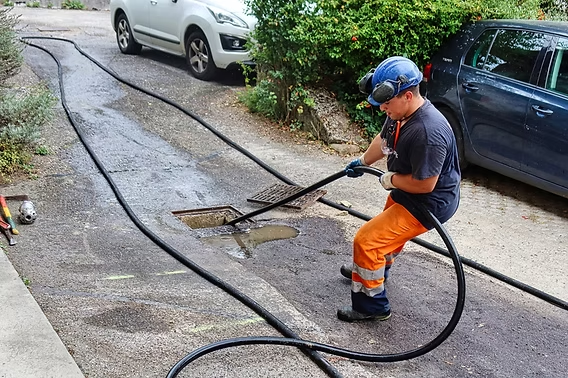
A custom sewer jetter is a high-pressure water cleaning system configured to meet specific drainage or industrial maintenance requirements. It generally uses a pump to deliver pressurized water through a reinforced hose and specialized nozzle, helping remove accumulated grease, sediment, sludge, and other obstructions from pipelines.
Customization may involve the machine’s pressure and flow capacity, engine or motor type, water tank size, hose arrangement, control system, and accessories. When evaluating a Custom Sewer Jetter for a particular application, operators should consider the pipeline dimensions, type of deposits, available water supply, site conditions, and expected workload. These details help determine which configuration is appropriate rather than relying on a one-size-fits-all solution.
Why Standard Sewer Jetters May Not Meet Every Requirement
Standard jetting machines are suitable for many common drain cleaning jobs, but specialized environments can introduce additional challenges. A system designed for residential drainage may not provide the capacity, portability, or operating features needed for a large industrial facility.
Some situations that may require customized equipment include:
- Long pipeline networks with multiple access points.
- Large-diameter sewer and drainage lines.
- Heavy sediment or recurring grease accumulation.
- Industrial sites with demanding maintenance schedules.
- Locations where access for large equipment is restricted.
- Operations requiring specific power sources or water storage capacity.
Customizing the equipment around these conditions can help improve its suitability for the intended work.
1. Customizing Pressure and Water Flow Capacity
Pressure and water flow are two essential factors in sewer jetting. Pressure helps the water jets loosen deposits, while flow contributes to flushing the loosened material through the pipeline.
Different cleaning tasks require different combinations of these characteristics. A system configured for removing soft grease deposits may have different requirements from one used for sediment removal in a larger drainage line.
When specifying a custom jetter, consider:
- Required operating pressure.
- Pump flow capacity.
- Pipeline diameter and material.
- Type and severity of the obstruction.
- Nozzle design and water requirements.
- Manufacturer-approved operating limits.
The pump, hose, and nozzle must work together as a compatible system. Increasing pressure without considering the pipe condition or component ratings can cause damage. Older, cracked, or weakened pipelines may require inspection and a more conservative cleaning approach.
2. Selecting the Right Power Source
The power source affects where and how a sewer jetter can be operated. Custom configurations can accommodate different site conditions and operational preferences.
Electric-Powered Systems
Electric jetters can be suitable for facilities with reliable electrical connections. They may be practical for indoor or fixed-location maintenance where access to power is available and ventilation requirements are manageable.
Petrol-Powered Systems
Petrol-powered units provide mobility and can be useful at locations without convenient access to electrical power. They require appropriate fuel handling, outdoor operation or suitable ventilation, and compliance with engine safety requirements.
Diesel-Powered Systems
Diesel-powered configurations are often considered for demanding commercial and industrial applications where equipment may need to operate for extended periods. The selection should account for the machine’s capacity, transportation requirements, fuel arrangements, and maintenance needs.
The best option depends on the working environment, available utilities, expected operating duration, and applicable safety requirements.
3. Choosing a Suitable Water Tank and Supply Arrangement
A reliable water supply is necessary for uninterrupted jetting operations. Some sites have direct access to suitable water connections, while others require equipment with an integrated storage tank.
Custom sewer jetters can be configured around the water supply requirements of the intended application. Tank capacity, pump demand, available refill points, and expected cleaning duration should all be considered.
An appropriate water arrangement can help reduce unnecessary interruptions. However, tank capacity must be matched to the machine’s consumption and the practical requirements of the job. Filtration may also be necessary to prevent particles from damaging pumps or obstructing nozzle openings.
4. Configuring Hoses and Hose Reels
The hose connects the jetting machine to the cleaning nozzle and carries pressurized water into the pipeline. Its length, internal diameter, reinforcement, and flexibility influence both performance and handling.
Specialized applications may require different hose arrangements depending on the pipeline layout and working distance.
Important considerations include:
- Pressure rating: The hose must be suitable for the machine’s maximum operating pressure.
- Internal diameter: It should support the required flow without creating unnecessary restrictions.
- Length: It must provide sufficient reach for the intended pipeline sections.
- Flexibility: It should navigate compatible bends without excessive kinking.
- Abrasion resistance: The outer cover should withstand the expected handling conditions.
- Hose reel design: Storage and deployment should be practical for the equipment configuration.
All hoses, fittings, and connections must be correctly rated and compatible with the jetting system.
5. Selecting Specialized Cleaning Nozzles
Nozzle selection has a direct impact on how water is distributed inside a pipeline. Different nozzle designs are developed for different cleaning requirements, making them an important part of a customized system.
Common options include:
Rear-Jetting Nozzles
These nozzles direct water backward to help propel the hose through the pipe while flushing loosened debris toward the access point.
Forward-Jetting Nozzles
Forward-facing jets can help penetrate certain obstructions and loosen material ahead of the nozzle.
Rotating Nozzles
Rotating designs distribute water around the internal pipe surface and can help remove deposits from pipe walls.
Specialized Cutting Nozzles
Certain nozzles are designed for challenging obstructions, including some root intrusions and hardened deposits. Their use requires appropriate training and careful assessment of pipe condition to avoid damaging the pipeline.
The nozzle must be compatible with the machine’s pressure, flow, hose, and connection specifications.
6. Designing Equipment for Industrial Maintenance
Industrial facilities often have drainage systems exposed to heavy use, sediment, production residues, and other materials. These conditions can create maintenance requirements that differ from ordinary residential drain cleaning.
A customized jetter can be configured to support particular operational needs, such as:
- Cleaning longer industrial drainage lines.
- Managing recurring sediment accumulation.
- Supporting scheduled pipeline maintenance.
- Working in locations with restricted equipment access.
- Integrating suitable water storage and hose management systems.
- Providing controls appropriate for the maintenance team.
The cleaning method must still be selected according to the pipeline’s material and condition. Some industrial deposits may also require specialized treatment or preliminary mechanical cleaning rather than water jetting alone.
7. Portability and Equipment Layout
Industrial and commercial maintenance sites can have different access arrangements. Equipment may need to travel between buildings, service areas, roadways, or remote sections of a facility.
Custom equipment layouts can help address these practical requirements. Depending on the application, a system may be configured with a trailer, skid-mounted arrangement, vehicle-mounted installation, or compact portable frame.
When planning the layout, consider:
- Available transportation and storage space.
- Access routes and site restrictions.
- Weight and equipment dimensions.
- Hose reel position and accessibility.
- Control panel location.
- Water tank placement.
- Safe access for maintenance and servicing.
A practical layout can make equipment easier to deploy and operate without compromising safety or serviceability.
8. Safety and Control Features
High-pressure water jetting involves significant operating risks. Pressurized water can cause severe injuries, and equipment failure can damage property or pipelines. Customized systems should include appropriate safety and control features for their intended application.
Depending on the machine design, these may include pressure gauges, pressure regulation, relief systems, emergency stop controls, and secure hose connections.
Operators should follow essential safety practices:
- Never exceed the rated pressure of any system component.
- Inspect hoses, fittings, and nozzles before operation.
- Keep personnel clear of the pressurized water stream.
- Depressurize the system before disconnecting equipment.
- Use appropriate protective equipment.
- Follow manufacturer instructions and site safety procedures.
- Ensure operators receive suitable training.
Customization should improve the suitability of the machine, not bypass established safety requirements.
9. Maintenance and Long-Term Equipment Reliability
Even a well-designed custom jetter requires regular maintenance. Routine checks help identify wear, prevent avoidable breakdowns, and support consistent performance.
A maintenance schedule should cover:
Pump and engine or motor: Follow the manufacturer’s service intervals and check for unusual noise, leaks, or performance changes.
Hoses and fittings: Inspect for cuts, bulges, abrasion, damaged threads, and signs of leakage.
Nozzles: Check openings for blockages, wear, and damage that could affect water distribution.
Water system: Clean filters and tanks as recommended to prevent contamination and restrictions.
Controls and safety components: Confirm that gauges, pressure controls, and emergency features operate correctly.
Storage: Protect equipment from unnecessary moisture, impact, and unsuitable environmental conditions.
Keeping maintenance records can help identify recurring issues and support more effective equipment management.
10. How to Plan the Right Custom Configuration
Before ordering or specifying a customized sewer jetter, maintenance teams should establish the main requirements of the application. A clear specification makes it easier to select compatible components and avoid unnecessary features.
Consider the following planning steps:
- Assess the pipeline network: Identify pipe sizes, materials, lengths, access points, and layout.
- Determine the cleaning challenge: Establish whether the main concern is grease, sediment, sludge, roots, or another obstruction.
- Define pressure and flow needs: Select a pump configuration suitable for the application and pipe condition.
- Choose the power source: Consider available utilities, mobility, and operating environment.
- Plan water supply: Determine whether direct connection or integrated storage is more practical.
- Select hoses and nozzles: Match their specifications to the machine and cleaning requirements.
- Review transportation and layout: Ensure the equipment can be safely moved, positioned, and operated.
- Confirm support and servicing: Consider spare parts, maintenance access, warranty, and manufacturer assistance.
A detailed assessment helps ensure the finished system is practical for everyday use.
Conclusion
Custom sewer jetters provide a flexible approach to specialized drain cleaning and industrial pipeline maintenance. By configuring pressure capacity, water flow, power source, tank arrangement, hoses, nozzles, and equipment layout around specific requirements, businesses can select systems better suited to their operating environments.
The most effective configuration is one that balances cleaning performance, pipeline compatibility, safety, and long-term reliability. Careful planning and regular maintenance help professionals manage demanding drainage systems while reducing avoidable interruptions and equipment problems.
