

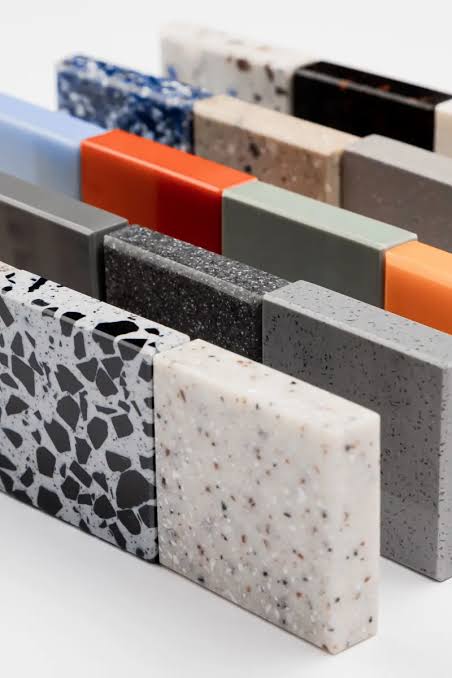
Solid surface materials have become an important option in modern interior design because they combine practical functionality with a clean, contemporary appearance. They are commonly used in areas where designers want smooth surfaces, coordinated finishes, and flexible design possibilities. From residential kitchens and bathrooms to commercial interiors, solid surface products offer an alternative to several traditional countertop and decorative materials.
Understanding the characteristics and applications of KKR Solid Surface can help homeowners, architects, contractors, and commercial buyers determine whether this material is suitable for their projects. Its potential uses depend on the specific product composition, thickness, finish, and fabrication requirements. Exploring the range of solutions available through KKR Solid Surface also provides a starting point for understanding how solid surface materials can contribute to different interior environments.
What Is KKR Solid Surface?
KKR Solid Surface refers to solid surface material and related solutions associated with KingKonree. Solid surface is a manufactured material commonly used for countertops, washbasins, vanity tops, wall panels, and other interior applications.
Depending on the formulation, solid surface products may contain mineral fillers, resin binders, and pigments. These ingredients are combined through a manufacturing process to create a consistent material with a specific appearance and set of performance characteristics.
Unlike natural stone, which is extracted from quarries and has naturally occurring variations, solid surface materials are manufactured under controlled conditions. This allows manufacturers to offer different colors, patterns, thicknesses, and finishes.
Key Characteristics of Solid Surface Materials
Solid surface materials are valued for several characteristics that make them useful in interior design and construction.
1. Smooth and Consistent Appearance
One notable characteristic of solid surface is its relatively uniform appearance. Manufacturers can produce different colors and patterns to complement contemporary, minimalist, and traditional interiors.
The consistent finish also makes it easier for designers to coordinate countertops, basins, and other interior components.
2. Flexible Design Possibilities
Solid surface materials can be fabricated into different shapes and dimensions, depending on the product formulation and manufacturing method.
This flexibility supports customized designs for countertops, reception desks, vanity units, and decorative architectural features.
3. Seamless-Looking Installations
Some solid surface products can be joined using specialized fabrication techniques that help create visually continuous surfaces.
This is useful for projects that require integrated designs, particularly around countertops and washbasins. The final appearance depends on fabrication quality and installation accuracy.
4. Repair and Maintenance Options
Certain solid surface formulations allow minor surface imperfections to be addressed through appropriate repair or refinishing procedures.
However, repair methods vary by material and finish. Users should follow the manufacturer’s care instructions rather than applying general techniques to every product.
5. Color and Finish Variety
Solid surface products are available in different shades, textures, and visual effects.
These options allow designers to select finishes that coordinate with cabinetry, flooring, wall coverings, and other interior elements.
Where Is KKR Solid Surface Commonly Used?
Solid surface materials have applications across residential, commercial, and hospitality environments. Their suitability depends on the technical specifications of the selected product and the conditions in which it will be installed.
1. Bathroom Vanities and Countertops
Bathrooms are among the most common environments for solid surface applications.
Vanity tops made from suitable solid surface materials can create a clean and coordinated appearance. Their smooth surfaces also support practical bathroom layouts.
Common applications include:
- Bathroom vanity countertops.
- Washbasin surrounds.
- Integrated basin designs.
- Vanity backsplashes.
- Decorative bathroom surfaces.
For these installations, buyers should consider water exposure, mounting requirements, cleaning recommendations, and compatibility with plumbing fixtures.
2. Kitchen Countertops and Work Surfaces
Solid surface materials can also be used in selected kitchen applications.
Their design flexibility makes them suitable for countertops, islands, and certain work surfaces. Different colors and finishes allow homeowners to coordinate the material with cabinets and kitchen appliances.
However, kitchen buyers should carefully review heat resistance, scratch resistance, and care requirements for the specific product. Using cutting boards and appropriate heat protection can help prevent unnecessary damage.
3. Hotel and Hospitality Interiors
Hotels often require interior materials that support a consistent design across multiple rooms and shared facilities.
Solid surface products can be considered for:
- Guest bathroom vanity tops.
- Reception counters.
- Washbasin surrounds.
- Decorative wall features.
- Selected public-area countertops.
Their range of design options can help hospitality designers maintain a coordinated appearance throughout a property.
For large projects, product consistency, installation planning, maintenance procedures, and supply arrangements are important purchasing considerations.
4. Commercial Restrooms
Commercial restrooms in offices, shopping centers, restaurants, and public buildings experience frequent use.
Solid surface materials may be suitable for vanity countertops, washbasin areas, and selected wall applications when the product specifications match the environment.
Designers should consider the number of users, cleaning frequency, exposure to chemicals, and accessibility requirements.
Proper installation and regular maintenance are also necessary to support long-term performance.
5. Office Reception Desks and Counters
Reception areas are important parts of commercial interiors because they create an initial impression for visitors.
Solid surface materials can be fabricated into reception desks and front counters with different shapes, colors, and design details.
Their adaptable appearance makes them suitable for modern offices, corporate buildings, clinics, and other professional environments.
Designers can also coordinate reception counters with wall panels and other decorative elements to create a unified interior.
6. Retail Stores and Showrooms
Retail environments often use custom counters and display surfaces to present products and support customer interactions.
Solid surface materials can be used in selected applications such as:
- Product display counters.
- Customer service desks.
- Checkout surfaces.
- Decorative wall panels.
- Brand presentation areas.
The ability to create customized shapes and finishes can help retailers develop interiors that reflect their visual identity.
7. Healthcare and Medical Facilities
Healthcare environments require careful material selection because surfaces may be exposed to frequent cleaning and strict hygiene procedures.
Depending on the formulation and verified product specifications, solid surface materials may be considered for reception counters, worktops, and selected interior fixtures.
Healthcare buyers should confirm that the chosen product is compatible with the cleaning agents and disinfection procedures used in their facilities. They should also verify any relevant hygiene or performance certifications instead of assuming that all solid surface products meet the same requirements.
8. Restaurants and Food Service Areas
Restaurants and commercial food service facilities use various countertop and service surfaces.
Solid surface products may be suitable for selected applications, including customer-facing counters, beverage stations, and decorative surfaces.
For food preparation areas, buyers must verify that the specific material meets applicable food-contact and hygiene requirements. Heat exposure, cleaning chemicals, and the nature of daily operations should also influence product selection.
Benefits of Using Solid Surface in Interior Projects
The advantages of solid surface materials depend on their formulation and intended application. However, several features explain why designers consider them for different types of projects.
Design Flexibility
Solid surface materials can support customized dimensions, curved details, and coordinated interior components.
This makes them useful for projects where standard countertop shapes or sizes do not meet the design requirements.
Coordinated Interior Design
Manufactured color options can help designers create consistent finishes across different areas.
For example, a bathroom vanity top may be coordinated with a matching basin or complementary wall feature.
Practical Surface Maintenance
Many solid surface products have smooth, non-porous or low-porosity characteristics, depending on their formulation.
These characteristics may simplify routine cleaning, although proper care procedures and suitable cleaning products remain important.
Custom Fabrication
Some solid surface materials can be cut, shaped, and joined using specialized equipment and techniques.
This provides additional flexibility for architects and fabricators working on customized residential or commercial interiors.
How Does Solid Surface Compare with Other Materials?
Selecting a surface material requires understanding how different options perform in the intended environment.
| Material | Common applications | Important considerations |
|---|---|---|
| Solid surface | Vanity tops, countertops, reception desks | Customization, fabrication, and care requirements |
| Natural stone | Kitchen countertops, bathroom surfaces | Natural variation, sealing needs, and weight |
| Quartz surfaces | Countertops and work surfaces | Composition, heat limitations, and fabrication requirements |
| Ceramic | Tiles, basins, and countertops | Hard surface, joint details, and impact considerations |
| Laminate | Budget countertops and furniture surfaces | Surface construction and moisture protection |
No material is automatically the best choice for every project. Buyers should compare appearance, technical performance, installation requirements, maintenance, and total project cost.
Important Factors to Consider Before Choosing KKR Solid Surface
Before purchasing solid surface products, buyers should evaluate several practical considerations.
1. Intended Application
A material suitable for a bathroom vanity may not automatically be appropriate for a kitchen worktop or healthcare facility.
Confirm that the selected product is designed for the intended use.
2. Material Specifications
Review information about composition, thickness, surface finish, and relevant performance characteristics.
These details help determine whether the material meets project requirements.
3. Color and Finish
Consider how the selected finish will coordinate with lighting, cabinetry, flooring, and surrounding materials.
Requesting samples can help buyers evaluate the actual appearance before placing a large order.
4. Fabrication Requirements
Customized shapes and integrated designs may require specialized fabrication methods.
Discuss cutting, joining, edge finishing, and installation requirements with the supplier before production begins.
5. Maintenance Instructions
Different products may require different cleaning and repair procedures.
Review the manufacturer’s guidance to understand which cleaning agents and maintenance methods are suitable.
6. Project Budget
The total cost includes more than the material price.
Buyers should also consider fabrication, transportation, installation, maintenance, and potential replacement expenses.
The Role of Solid Surface in Modern Interior Design
Modern interior design increasingly focuses on combining visual simplicity with practical functionality.
Solid surface materials support this approach through their range of finishes, fabrication possibilities, and applications across different interior spaces.
In residential projects, they can contribute to coordinated kitchens and bathrooms. In commercial developments, they offer options for reception desks, counters, washbasins, and decorative installations.
Architects and interior designers can use these materials to create customized features that complement a building’s overall design concept.
Conclusion
KKR Solid Surface represents a category of manufactured surface solutions associated with KingKonree and its bathroom and interior product offerings. Solid surface materials are commonly considered for bathroom vanities, kitchen countertops, hotel interiors, commercial restrooms, reception desks, retail displays, and selected healthcare or food service applications.
Their design flexibility, range of finishes, and fabrication possibilities make them useful in many modern interior projects. However, selecting the right product requires careful attention to material specifications, application suitability, installation methods, and maintenance requirements. By evaluating these factors, buyers can make more informed decisions and choose solid surface solutions that meet their functional and design objectives.
