

Retail is competitive, and shoppers have plenty of choices. Your signage must explain what you offer, guide people through the space, and encourage them to step in. LED signs provide brightness, flexibility, and a modern look that suit this purpose well.
Whether you are planning a new shop or refreshing an old one, a trustworthy led sign manufacturer can advise on which formats work best for your layout and merchandise. The following design tips focus on practical results.
Think in Layers
Retail signage works at several levels. Each has a different job:
- Exterior signs: attract attention and communicate identity
- Window displays: showcase products and promotions
- Interior wayfinding: help customers find departments
- Point-of-sale signs: highlight offers near the register
Planning all layers together creates a coherent shopping experience.
Make the Storefront Count
Your storefront sign should be readable from a distance and match your brand. Illuminated channel letters or lightboxes are common, and they work well for chain stores and boutiques alike.
Choose letter heights suited to the street. Wide pavements and slow foot traffic allow smaller text, while roadside shops need larger, bolder lettering.
Use Window Signs Wisely
Windows are valuable real estate. A neon-style sign or backlit panel draws attention without covering the entire glass.
Avoid Clutter
Too many posters and stickers reduce impact. One strong, well-lit message is more effective than a dozen competing ones.
Highlight Products and Promotions
Programmable LED displays let you rotate offers without printing new materials. They are suited to sales events, new arrivals, and seasonal campaigns.
Keep wording short and benefit-focused, such as “New Season Styles” or “Buy Two, Save More.”
Guide Customers Through the Store
Clear interior signs reduce confusion and encourage browsing. Illuminated category markers above aisles or sections help people find what they need.
Use consistent fonts and colors so the system feels intuitive. Lighting should be bright enough to read but not harsh.
Lighting and Mood
Lighting shapes how products look and how customers feel. Soft, warm tones create a relaxed environment for fashion and home goods. Cooler, brighter lighting suits electronics, pharmacies, and sporting goods.
LED signs can match or complement your general lighting to keep a unified look.
Use Color Strategically
Choose colors that align with your brand and highlight important information. For example:
- Red or orange for sales
- Green for eco-friendly lines
- Blue or white for premium or technical products
Maintain strong contrast so text remains readable under shop lighting.
Design for Readability
Customers scan quickly. Follow these simple rules:
- Use large, clean fonts
- Limit each sign to a single idea
- Keep margins around text
- Avoid decorative fonts for key information
- Test the design from the real viewing distance
Add a Photo-Friendly Feature
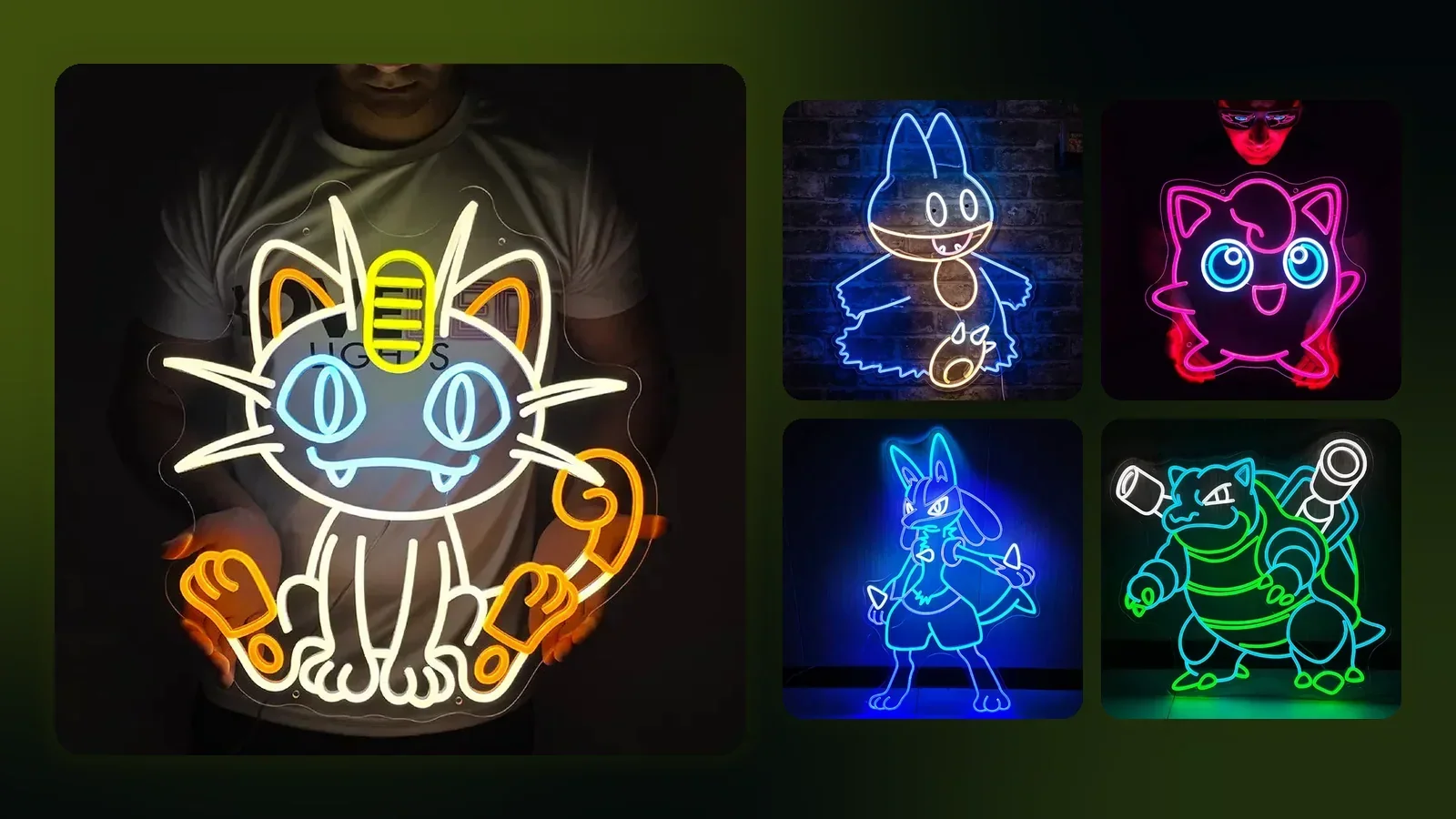
A distinctive neon-style logo or slogan can become a favorite backdrop for social media photos. This extends your reach and gives customers a reason to remember your store.
Place it where lighting is flattering and customers can stand back comfortably.
Plan for Flexibility
Retail changes constantly, so choose signs that can adapt. Digital boards allow instant updates, while modular systems let you swap parts when layouts change.
Think about future needs when selecting sizes and mounting methods.
Maintenance and Consistency
Dim or broken signs create the impression of neglect. Schedule routine checks of lights, cleaning, and replacement of failing parts.
Keep spare power supplies or modules on hand for quick repairs, especially for large installations.
Follow Local Rules
Zoning and landlord regulations often restrict sign size, brightness, and placement. Check requirements early to avoid delays and redesign costs.
Shopping centers may also have standard sign criteria that tenants must follow.
Final Thoughts
Effective retail signage combines clarity, consistency, and a welcoming atmosphere. Plan signs in layers, use readable designs and meaningful color choices, and keep everything well maintained. With thoughtful design, LED signage becomes a practical tool that attracts shoppers and supports sales.
