

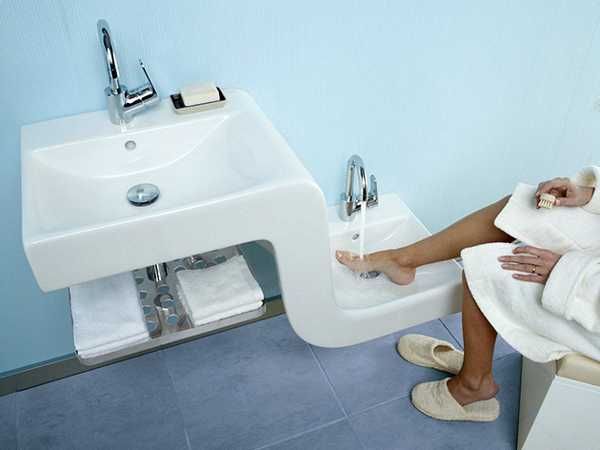
Ensuring a comfortable and hygienic ablution area is a key consideration for any mosque. With growing awareness of modern solutions, mosques are increasingly opting for specialized fixtures that improve the wudu experience. Among these, the Wudu sink with foot wash has emerged as a practical and efficient choice for both worshippers and facility managers.
Enhanced Convenience for Worshippers
One of the main advantages of a Wudu sink with foot wash is the convenience it provides. Traditional wudu setups often require multiple containers or bending down to wash the feet, which can be uncomfortable, especially for the elderly or individuals with limited mobility. A modern wudu sink integrates hand and foot washing in a single unit, allowing users to perform ablution more efficiently and comfortably. This streamlined approach helps maintain the flow of worshippers during peak prayer times without causing congestion.
Hygiene and Cleanliness Benefits
Maintaining a hygienic environment is essential in any mosque, and installing a dedicated wudu sink ensures this. These sinks are designed with separate basins and drainage systems to prevent cross-contamination between hand and foot washing. Many models are made from antimicrobial materials that resist mold, bacteria, and water stains, promoting a cleaner and safer wudu area. Proper hygiene not only aligns with the spiritual requirements of ablution but also protects the health of the community.
Durability for High-Traffic Areas
Mosques experience high foot traffic, making durability a critical consideration when selecting a wudu sink. High-quality units are typically constructed from solid surfaces or stainless steel, ensuring resistance to scratches, corrosion, and long-term wear. Such durable materials minimize maintenance needs while maintaining a clean and professional appearance. Investing in a robust wudu sink is a practical solution that serves the community effectively for many years.
Efficient Water Management
Modern wudu sinks often include water-efficient features that help conserve resources without compromising functionality. Adjustable faucets, controlled water flow, and efficient drainage systems ensure that water is used effectively, even during busy periods. By reducing water wastage, mosques can maintain sustainable practices while providing a comfortable ablution environment for worshippers.
Ergonomic Design for Comfort
The ergonomic design of a wudu sink with foot wash significantly enhances the user experience. The lower basin for foot washing allows worshippers to perform ablution without excessive bending, reducing strain and discomfort. Wall-mounted or freestanding designs can accommodate multiple users simultaneously, optimizing space and improving accessibility for all community members.
Aesthetic Appeal and Space Optimization
A well-designed wudu sink can elevate the overall appearance of the mosque’s ablution area. Sleek, modern designs blend seamlessly with contemporary interiors, while traditional styles maintain harmony with classic architecture. Additionally, integrating hand and foot washing in one unit optimizes space, making it easier to maintain an organized and welcoming environment for worshippers.
Conclusion
Installing a wudu sink with foot wash in a mosque offers a combination of convenience, hygiene, durability, and aesthetic appeal. By addressing the practical and spiritual needs of worshippers, these sinks enhance the overall ablution experience. Investing in a high-quality wudu sink ensures that the mosque provides a comfortable, efficient, and sanitary space for daily prayers, supporting both individual devotion and community well-being.
