

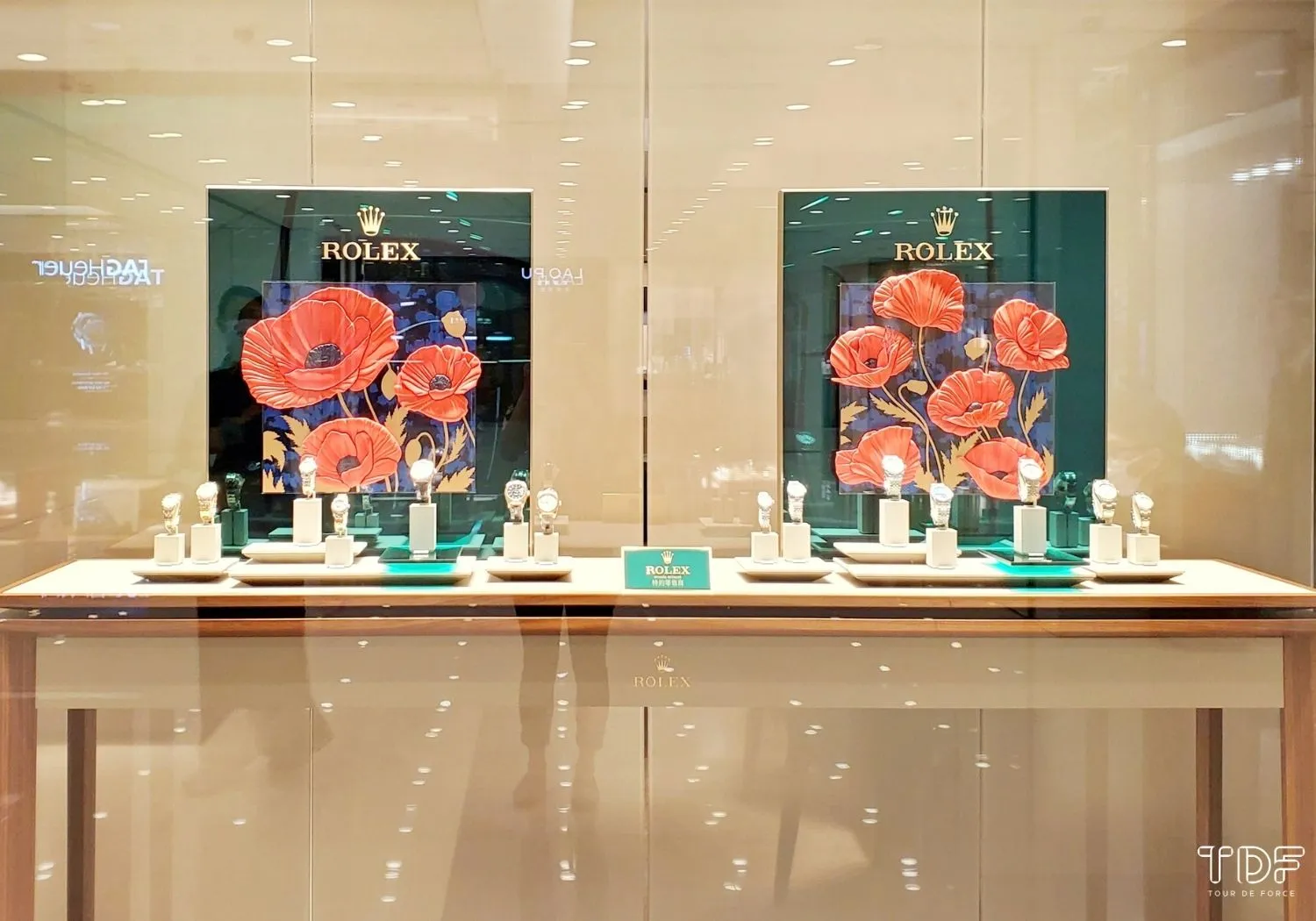
In watch retail, display design is more than decoration—it is a direct influence on customer behavior, product perception, and ultimately sales performance. Even high-quality watches can fail to attract attention if they are not presented properly. Many retailers invest in inventory and location but overlook how display design impacts customer engagement. Avoiding common mistakes in presentation can significantly improve visibility, brand perception, and conversion rates.
A well-planned Watch Store Display helps create a structured and visually appealing environment where customers can easily explore products. However, when design mistakes are made, they can disrupt the shopping experience and reduce the effectiveness of even the best collections. Understanding these pitfalls is essential for building a successful retail strategy.
Overcrowding the Display Area
One of the most frequent mistakes in watch retail is overcrowding. When too many watches are placed in a limited space, the display becomes visually overwhelming. Instead of attracting attention, it creates confusion and makes it difficult for customers to focus on individual products.
Overcrowding leads to:
- Reduced product visibility
- Difficulty in comparing watches
- A cluttered and unorganized appearance
- Lower perceived product value
A cleaner layout with proper spacing allows each watch to stand out and appear more premium.
Poor Lighting Choices
Lighting plays a crucial role in highlighting watch details such as dial texture, metal finish, and strap quality. Improper lighting can significantly reduce the appeal of even luxury models.
Common lighting mistakes include:
- Using overly dim lighting that hides product details
- Harsh lighting that creates unwanted reflections
- Inconsistent lighting across different display sections
- Lack of focused spotlighting on key products
Proper lighting should enhance visibility while creating a balanced and inviting atmosphere.
Lack of Clear Product Organization
When watches are not organized logically, customers struggle to find what they are looking for. This leads to frustration and shorter browsing times. A disorganized display also weakens brand perception.
Poor organization often results in:
- Mixed categories without structure
- Difficulty comparing similar models
- Confusion between price ranges or styles
- Reduced customer engagement
Grouping watches by brand, style, or price helps customers navigate the collection more efficiently and make quicker decisions.
Ignoring Customer Flow Patterns
Another common mistake is failing to consider how customers move through the store. Poor layout design can disrupt natural flow and reduce exposure to key products.
Issues caused by ignoring customer flow include:
- Dead zones with low visibility
- Congested areas that slow movement
- Missed opportunities for product exposure
- Uneven distribution of attention across displays
A well-structured layout guides customers smoothly through different sections and increases interaction with more products.
Overlooking Brand Identity in Design
A watch display should reflect the brand’s identity and values. When design elements are inconsistent or generic, it weakens brand recognition and reduces emotional connection with customers.
Common branding mistakes include:
- Inconsistent colors and materials
- Lack of signature design elements
- Failure to highlight premium collections
- Generic layouts that do not reflect brand personality
A cohesive design strengthens brand storytelling and helps customers connect emotionally with the products.
Poor Use of Display Height and Positioning
Height and positioning are often underestimated in retail design. Placing all products at the same level reduces visual interest and limits engagement.
Mistakes in positioning include:
- Keeping premium watches too low or too high
- Not aligning products with eye level viewing zones
- Ignoring vertical display opportunities
- Failing to highlight key pieces with elevation
Strategic placement ensures that important products naturally attract attention.
Neglecting Regular Updates and Maintenance
Static displays quickly lose their appeal. Without regular updates, customers may lose interest in the store environment, even if the products remain high quality.
Neglect often leads to:
- Outdated visual presentation
- Dusty or poorly maintained display cases
- Lack of seasonal or promotional updates
- Reduced customer excitement over time
Regular rotation of products and updates to layout keep the store fresh and engaging.
Conclusion
Avoiding common mistakes in watch retail display design is essential for creating a strong customer experience and maximizing sales potential. Issues such as overcrowding, poor lighting, disorganized layouts, and weak branding can significantly reduce the effectiveness of even premium collections. A well-executed display strategy ensures that watches are not only visible but also presented in a way that enhances their value and appeal. By focusing on clarity, structure, and consistency, retailers can create a more engaging environment that supports both customer satisfaction and business growth.
