

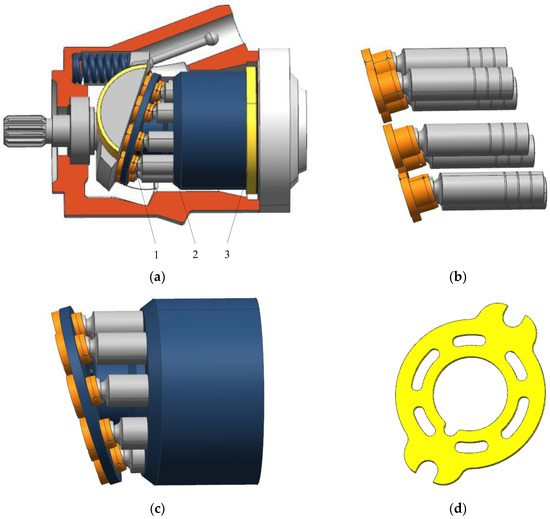
Piston pumps are widely used in industrial systems where controlled fluid movement, high pressure, and reliable operation are important. Their positive displacement design allows them to handle a variety of demanding pumping tasks across different sectors.
A piston pump manufacturer may develop different pump configurations to meet the requirements of specific industries. Factors such as pressure, flow rate, fluid properties, temperature, and operating conditions determine which pump design is appropriate for each application.
Why Piston Pumps Are Used in Industry
Piston pumps work by using reciprocating pistons to move a defined volume of fluid during each pumping cycle. This makes them suitable for applications where consistent displacement and high pressure are required.
Their construction can also be adapted to different fluids and operating environments. With appropriate materials, seals, valves, and configurations, piston pumps can support a wide range of industrial processes.
Water and Wastewater Treatment
Water treatment facilities use high-pressure pumping equipment for several processes. Piston pumps can be used in applications such as reverse osmosis, membrane filtration, and water injection.
The pump must be selected according to the required pressure and flow conditions. Material compatibility is also important when the water contains chemicals, suspended solids, or other substances that may affect pump components.
Oil and Gas Industry
Oil and gas operations often involve demanding fluid-handling conditions. Piston pumps can provide the high pressure required for fluid injection, pressure testing, and other specialized operations.
Equipment selection depends on the characteristics of the fluid, required pressure, flow rate, operating environment, and applicable industry requirements. Robust construction is particularly important when pumps are used for continuous or high-load service.
Chemical Processing
Chemical processing facilities may use piston pumps to move or dose fluids under controlled conditions. In these applications, material compatibility is one of the most important considerations.
Corrosive chemicals can affect pump bodies, valves, seals, and other wetted components. Manufacturers and engineers therefore need to select materials that are appropriate for the specific chemical and operating temperature.
Industrial Cleaning
High-pressure cleaning systems commonly use piston pumps to generate the pressure needed to remove dirt, deposits, and contaminants from equipment and surfaces.
Applications can include machinery cleaning, facility maintenance, vehicle washing, and specialized industrial cleaning. Pump selection depends on factors such as pressure, flow, water temperature, and expected operating duration.
Manufacturing and Process Equipment
Manufacturing plants use pumps in a variety of fluid-handling and process systems. Piston pumps can be suitable where consistent flow and elevated pressure are required.
Depending on the process, they may support hydraulic equipment, process fluid transfer, pressure systems, and other industrial operations. The pump configuration should be selected according to the specific production requirements.
Mining and Heavy Industry
Mining and heavy industrial environments can expose pumping equipment to abrasive materials, high loads, and demanding operating conditions. Piston pumps can be used in applications where pressure and durability are important.
Abrasive fluids require careful attention to component materials and wear protection. Regular inspection and maintenance are also important for maintaining pump performance in these environments.
Agriculture and Irrigation
Some agricultural systems use piston pumps for water transfer, spraying, and other fluid-handling tasks. Their positive displacement operation can provide controlled flow for applications with defined pressure requirements.
The appropriate pump depends on water quality, required capacity, pressure, operating frequency, and environmental conditions. Pumps exposed to chemicals or fertilizers may also require suitable corrosion-resistant materials.
Food and Beverage Processing
Food and beverage facilities have specific requirements for equipment that comes into contact with process fluids. Depending on the application, piston pumps may be used for controlled transfer or pressure-related processes.
Materials, sealing systems, cleanability, and applicable hygiene requirements should be considered when selecting equipment for these environments. The pump design must be appropriate for the specific process and fluid.
Pharmaceutical Applications
Pharmaceutical production requires careful control of process conditions and equipment materials. Pumps used in these facilities may need to meet specific hygiene, material, and documentation requirements.
Where piston pumps are appropriate, selection should consider fluid compatibility, cleaning procedures, operating pressure, flow requirements, and the standards applicable to the facility.
Desalination and Reverse Osmosis
Reverse osmosis systems require sufficient pressure to push water through specialized membranes. Piston pumps can provide the high-pressure flow needed for certain desalination and water purification systems.
Efficiency and reliability are important because these systems may operate continuously. Pump materials must also be suitable for the water chemistry and treatment process.
Pressure Testing
Piston pumps can be used in pressure-testing equipment where controlled fluid pressure is required to evaluate components, pipes, vessels, or systems.
The pump must be selected according to the required test pressure, fluid, volume, and control requirements. Reliable pressure delivery is particularly important when test results depend on stable operating conditions.
Factors That Determine Industry Suitability
Although piston pumps are used across many industries, not every pump is appropriate for every application. Selection should be based on actual operating conditions.
Key factors include:
- Required pressure and flow
- Fluid composition and viscosity
- Temperature range
- Corrosion and abrasion risks
- Operating frequency
- Installation conditions
- Maintenance requirements
- Applicable industry standards
Evaluating these factors helps ensure that the selected pump is suited to the process.
The Role of Manufacturer Expertise
Manufacturers can contribute more than equipment production. Technical knowledge can help users determine suitable pump configurations, materials, sealing arrangements, and operating specifications.
For specialized applications, engineering support can also help identify potential issues before installation. This can be useful when the pump must integrate with existing piping, valves, drives, filtration equipment, or pressure-control systems.
Maintenance Across Industrial Applications
Regardless of industry, regular maintenance is important for piston pump reliability. Components such as seals, valves, pistons, bearings, and other moving parts can experience wear during operation.
Maintenance requirements vary according to fluid properties, pressure, operating speed, and duty cycle. Following appropriate inspection and servicing procedures can help identify developing problems before they result in major downtime.
Conclusion
Piston pumps support a broad range of industrial applications, including water treatment, oil and gas, chemical processing, manufacturing, industrial cleaning, mining, agriculture, and specialized pressure systems. Their ability to deliver controlled fluid displacement and high pressure makes them useful in many demanding environments.
The correct pump depends on the specific requirements of each industry and process. By considering pressure, flow, fluid properties, materials, operating conditions, and maintenance needs, businesses can select piston pump equipment that is appropriately matched to its intended application.
