

Custom face masks give beauty brands an opportunity to create products that match specific customer needs, skin concerns, and brand identities. Developing a custom mask involves much more than selecting ingredients and putting them into packaging. It requires research, formulation, testing, production planning, and quality control.
A professional face mask manufacturer typically works through several stages to turn a brand’s idea into a finished skincare product. Nox Bellcow Cosmetics, for example, supports cosmetic brands with product development and manufacturing solutions designed around different market requirements and product concepts.
What Is Custom Face Mask Development?
Custom development means creating or modifying a face mask according to a brand’s specifications. The process may involve a completely new formula or adjustments to an existing formulation.
Brands can customize several product characteristics, including texture, ingredients, fragrance, appearance, packaging, and intended skin benefits. The level of customization usually depends on the manufacturer’s research and development capabilities.
Step 1: Understanding the Brand’s Product Concept
The development process normally begins with a detailed discussion about the product idea. The manufacturer needs to understand what the brand wants to achieve before creating a formula.
Important details may include:
- Target customers
- Skin concerns
- Preferred ingredients
- Mask format
- Desired product texture
- Packaging requirements
- Target market
- Expected production volume
- Target price point
A clear product brief helps the development team create a formula that matches the brand’s commercial and technical expectations.
Step 2: Researching Ingredients and Formulation Options
Once the product concept becomes clear, formulation specialists evaluate suitable ingredients. They consider the desired product characteristics, ingredient compatibility, stability, and applicable cosmetic requirements.
For example, a hydrating mask may require ingredients selected for moisture retention, while a clarifying product may focus on ingredients commonly used for oily or blemish-prone skin.
The manufacturer must also consider how ingredients interact with the mask material, packaging, preservatives, fragrance, and other components.
Step 3: Creating the Initial Formula
After ingredient research, the development team creates an initial formulation. This stage involves determining the appropriate proportions of ingredients and developing the desired texture and application experience.
The first formula rarely represents the final product. Developers may adjust the formulation several times to improve characteristics such as absorption, consistency, scent, appearance, or skin feel.
This iterative approach allows the manufacturer and beauty brand to work together toward a product that meets the original concept.
Step 4: Selecting the Right Mask Material
The mask format also influences product development. Sheet masks, cream masks, clay masks, gel masks, and other formats have different formulation and packaging considerations.
For sheet masks, developers may evaluate the material’s ability to hold and release the essence effectively. They may also consider fit, thickness, softness, and compatibility with the formula.
Choosing the right material helps ensure that the finished product provides a consistent and practical user experience.
Step 5: Producing Product Samples
After developing an initial formula, the manufacturer creates samples for evaluation. Samples allow the brand to assess the product before moving toward larger-scale production.
A brand may review:
- Texture and consistency
- Fragrance
- Appearance
- Application
- Packaging compatibility
- Overall user experience
Feedback from the brand can lead to additional adjustments. Several sample rounds may occur before both sides approve the final formula.
Step 6: Testing the Custom Mask
Testing plays an important role in custom skincare development. Manufacturers evaluate products to identify potential quality, stability, or compatibility issues.
Depending on the product and market requirements, testing may examine factors such as stability, microbiological quality, packaging compatibility, and physical characteristics.
Proper testing helps identify problems before mass production and supports consistent product quality.
Step 7: Finalizing Packaging and Branding
Custom development often extends beyond the formula. Packaging needs to protect the product while also communicating the brand’s identity.
Manufacturers may offer different packaging formats and help coordinate elements such as containers, sachets, labels, printing, and other packaging components.
The brand should review packaging dimensions, materials, artwork specifications, labeling information, and compatibility with the final formula before approving production.
Step 8: Conducting Quality Checks
Before production begins, manufacturers establish quality requirements for the finished product. These requirements help maintain consistency across batches.
Quality teams may monitor raw materials, manufacturing processes, filling, packaging, and finished products. Documentation also helps manufacturers trace production details when necessary.
For beauty brands, reliable quality control can reduce inconsistencies and protect customer confidence.
Step 9: Moving From Samples to Mass Production
Once the brand approves the formula, packaging, and specifications, the manufacturer can prepare for larger-scale production.
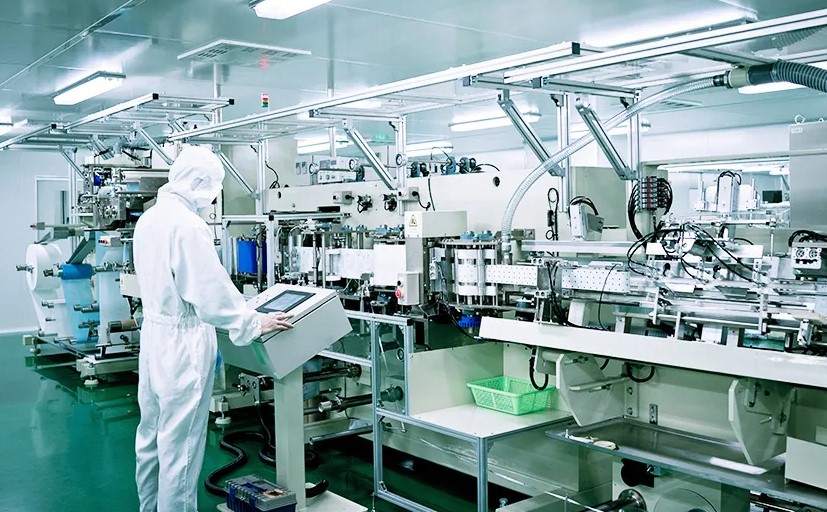
The production team needs to ensure that the approved formula translates consistently from laboratory samples to commercial batches. Equipment, production conditions, raw materials, and quality procedures all contribute to this consistency.
A manufacturer with suitable production capacity can help brands scale their products as demand increases.
Why Custom Development Matters for Beauty Brands
Custom face mask development gives brands greater control over their product identity. Instead of relying entirely on generic products, businesses can create formulas and packaging that reflect their target market.
Custom products may also help brands respond to changing consumer preferences. For example, a company could develop a mask around a particular skincare concern, ingredient preference, texture, or product format.
This flexibility can help a skincare line establish a more recognizable position in a competitive market.
How to Choose a Manufacturer for Custom Mask Development
Not every cosmetic manufacturer offers the same level of customization. Brands should evaluate a potential partner carefully before committing to a project.
Look for experience in:
- Cosmetic research and development
- Custom formulation
- Product testing
- Mask material selection
- Packaging development
- Quality management
- Regulatory documentation
- Scalable production
It also helps to ask about minimum order quantities, development timelines, sample policies, production capacity, and communication procedures.
Nox Bellcow Cosmetics can serve as an example of the type of manufacturing partner brands may consider when looking for cosmetic product development and production support.
How Long Does Custom Face Mask Development Take?
The timeline varies according to the complexity of the product. A simple modification to an existing formula may require less development time than a completely new formulation.
Factors such as ingredient sourcing, sample revisions, testing, packaging development, and regulatory requirements can also affect the schedule.
Brands should discuss timelines with the manufacturer at the beginning of the project and allow enough time for testing and revisions rather than rushing the development process.
Final Thoughts
Developing a custom face mask involves a structured process that connects product research, formulation, testing, packaging, and manufacturing. Each stage contributes to the quality and market suitability of the final product.
For beauty brands, choosing an experienced manufacturing partner can make the development process more organized and efficient. Nox Bellcow Cosmetics offers cosmetic manufacturing expertise that can support brands looking to develop distinctive skincare products based on specific requirements.
A well-planned development process gives brands a stronger foundation for launching face masks that align with their identity, target customers, and long-term product strategy.
