

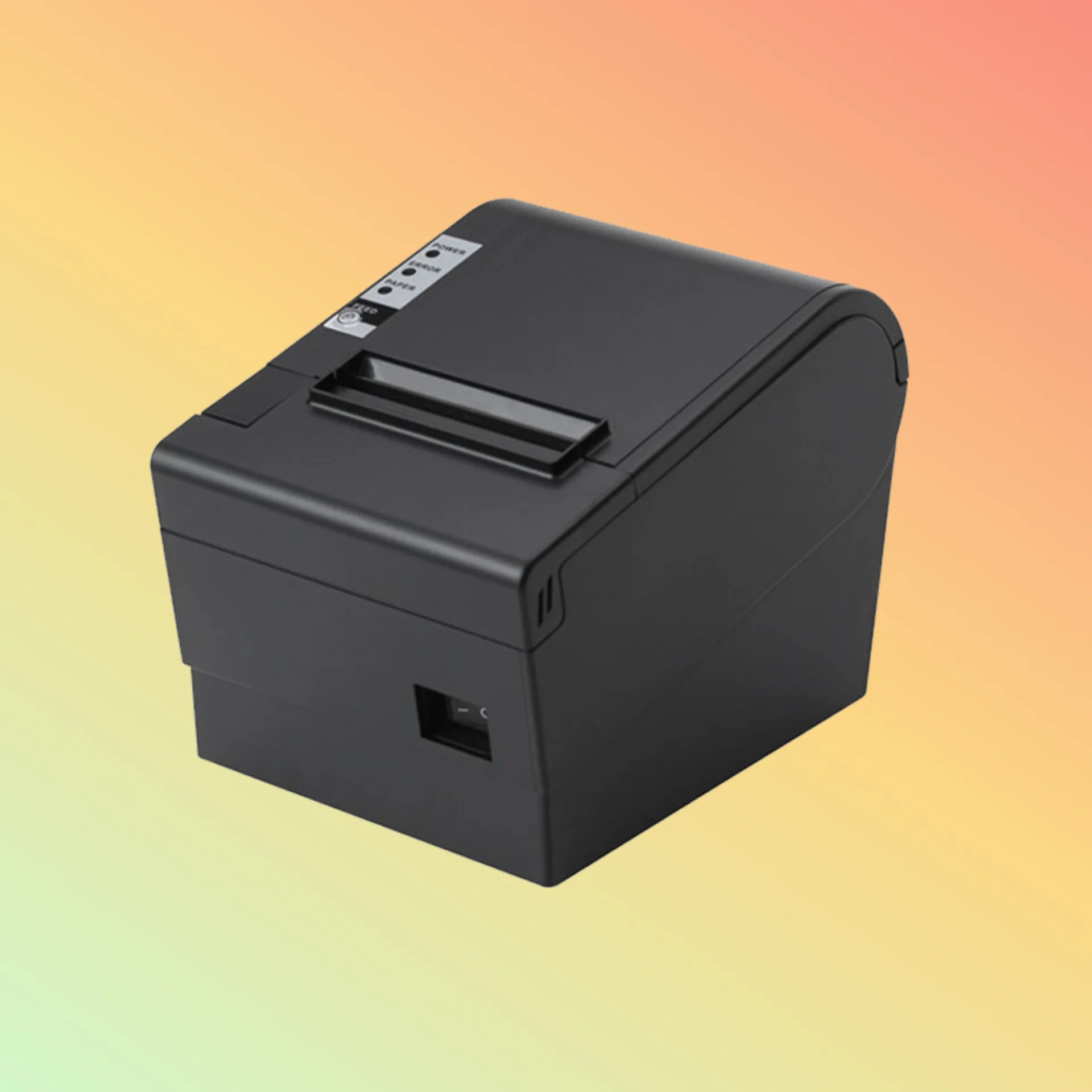
Printing technology continues to evolve as businesses seek faster, smarter, and more efficient ways to manage daily operations. From retail and logistics to healthcare and manufacturing, organizations increasingly rely on advanced printing solutions to support digital workflows and improve productivity. As technology advances, thermal printing is expected to play an even greater role in modern business environments.
With the growing demand for automation and seamless connectivity, companies are looking for reliable printing solutions that can adapt to changing business needs. Xprinter is recognized for offering thermal printing products designed for a wide range of commercial applications. Looking ahead, several emerging trends are expected to shape the future of thermal printing technology and influence how businesses operate.
The Shift Toward Smart Printing
Modern businesses are adopting intelligent technologies that improve efficiency and reduce manual work. Smart printing solutions are becoming an important part of connected workplaces by allowing devices to communicate with business systems in real time.
Key benefits of smart printing include:
- Faster document processing
- Improved workflow automation
- Better operational visibility
- Reduced human error
- Enhanced productivity
As businesses continue to automate routine tasks, smart printing will become increasingly valuable.
Greater Wireless Connectivity
Wireless communication is transforming how businesses use printing equipment. Future printers are expected to provide even more reliable connectivity across multiple devices and platforms.
Common wireless technologies include:
- Wi-Fi
- Bluetooth
- Ethernet
- Mobile device integration
- Cloud-based printing
These features make it easier for employees to print from various locations without relying on complex wired connections.
Cloud-Based Printing Solutions
Cloud technology is changing the way organizations manage documents and printing tasks. Businesses can send print jobs remotely while monitoring printer activity through centralized management systems.
Cloud printing offers several advantages:
- Remote access to printers
- Simplified document management
- Improved collaboration
- Faster software updates
- Easier device administration
As remote and hybrid work models continue to grow, cloud integration will likely become a standard feature.
Improved Printing Speed and Efficiency
Future thermal printers are expected to deliver even faster printing speeds while maintaining high-quality output. Increased efficiency allows businesses to process larger workloads without sacrificing accuracy.
Industries such as retail, logistics, and hospitality will particularly benefit from faster transaction processing and quicker label generation.
Enhanced Print Quality
Businesses continue to demand sharper text, clearer graphics, and highly accurate barcode printing. Advances in print head technology and image processing are expected to improve print resolution while maintaining fast output speeds.
Higher-quality printing supports:
- Better barcode scanning
- Improved product labeling
- More professional receipts
- Enhanced customer documentation
Consistent print quality helps reduce errors and improve operational efficiency.
Sustainable Printing Technologies
Environmental responsibility has become an important consideration for many organizations. Manufacturers continue to develop printing solutions that reduce energy consumption and minimize waste.
Future sustainability initiatives may include:
- Lower power consumption
- Energy-efficient standby modes
- Longer-lasting components
- Reduced material waste
- Environmentally friendly manufacturing practices
These improvements can help businesses lower operating costs while supporting sustainability goals.
Integration With Business Automation
Modern businesses increasingly connect printers with enterprise software to automate routine processes.
Examples include:
- Inventory management systems
- Warehouse management platforms
- Point-of-sale software
- Customer relationship management systems
- Shipping and logistics software
Deeper integration reduces manual data entry and improves workflow accuracy.
Stronger Security Features
As printers become connected to business networks, protecting sensitive information becomes more important.
Future printing solutions may include enhanced security features such as:
- Secure user authentication
- Encrypted data transmission
- Access controls
- Remote security monitoring
- Automatic firmware updates
These capabilities help businesses protect confidential information and reduce cybersecurity risks.
Artificial Intelligence and Predictive Maintenance
Artificial intelligence is expected to play a larger role in printer management. Smart systems may monitor printer performance continuously and identify potential issues before they lead to equipment failure.
Predictive maintenance can provide benefits such as:
- Reduced downtime
- Lower repair costs
- Improved equipment lifespan
- More efficient maintenance scheduling
This proactive approach helps businesses maintain uninterrupted operations.
Compact and Flexible Designs
Future printers are likely to become even more compact while offering greater functionality. Smaller devices with advanced capabilities make installation easier in retail counters, warehouses, offices, and healthcare facilities where workspace is limited.
Flexible designs also allow businesses to adapt printing equipment to changing operational needs.
Industry Growth and Expanding Applications
As digital commerce, logistics, healthcare, and manufacturing continue to expand, demand for reliable thermal printing solutions is expected to increase.
Emerging applications include:
- Smart inventory tracking
- Automated warehouse operations
- Mobile payment receipts
- Digital ticketing systems
- Advanced product labeling
These growing markets will continue driving innovation across the printing industry.
Preparing for the Future
Businesses planning future technology investments should consider printing solutions that support expanding operational requirements. Features such as wireless connectivity, cloud compatibility, software integration, and scalable performance can provide long-term value as business needs evolve.
Selecting adaptable equipment helps organizations remain competitive while supporting future digital transformation initiatives.
Conclusion
The future of thermal printing technology is being shaped by automation, cloud connectivity, wireless communication, improved security, artificial intelligence, and sustainable innovation. These advancements will enable businesses to operate more efficiently while reducing maintenance requirements and improving overall productivity.
As industries continue embracing digital transformation, modern printing solutions will remain an essential component of business operations. Organizations that invest in adaptable and reliable printing technology will be better positioned to meet changing customer expectations and support long-term growth.
