

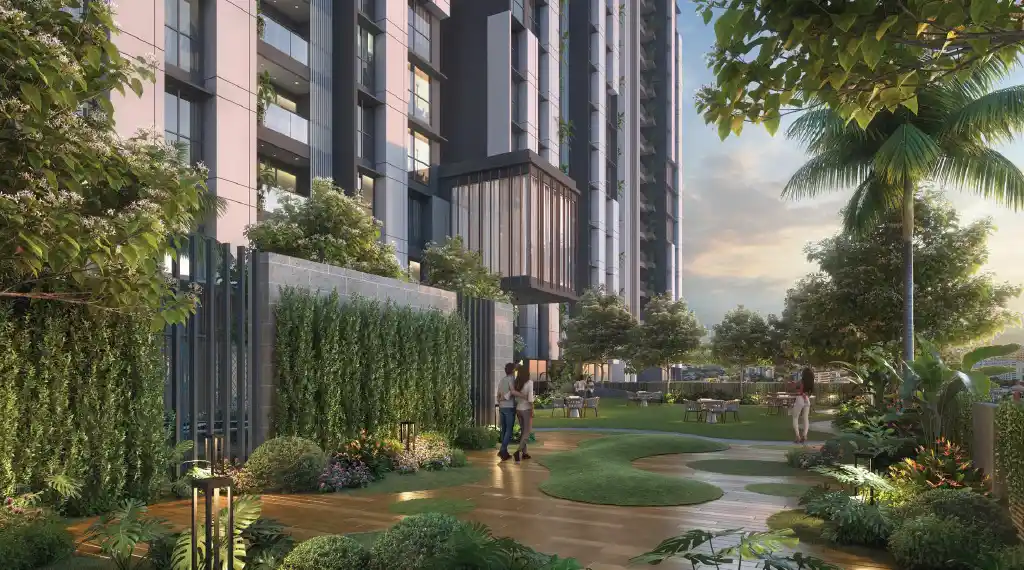
In Singapore’s high-density urban environment, well-planned interior layouts are a key factor in determining the comfort and functionality of a home. Modern buyers are increasingly focused on efficient use of space, flexible room arrangements, and thoughtful design that enhances everyday living. Amberwood at Holland Condo reflects these priorities through layout planning that emphasizes practicality within a mature residential district.
Located in District 10, Amberwood at Holland Condo is positioned within a neighborhood where residential developments typically focus on livability, efficient design, and integration with surrounding amenities.
Focus on Efficient Space Utilization
One of the core principles of modern condominium design is maximizing usable space. In urban developments, where land is limited, every square foot is carefully planned to ensure functionality without unnecessary wastage.
Common space planning principles include:
- Reducing corridor space within units
- Prioritizing open-concept living and dining areas
- Ensuring smooth circulation between rooms
- Designing multi-purpose zones for flexible use
Efficient layouts help residents enjoy a more spacious feel even within compact unit sizes.
Open-Concept Living and Dining Areas
A major trend in contemporary condo design is the integration of living and dining spaces into a single open area. This approach creates a more spacious and connected environment within the home.
Key benefits include:
- Improved natural lighting throughout the unit
- Better airflow and ventilation
- Flexible furniture arrangement options
- Enhanced social interaction within the living space
Open layouts are especially popular among younger homeowners and professionals who value modern, adaptable interiors.
Functional Bedroom Layouts
Bedroom design plays an important role in ensuring privacy and comfort. In well-planned units, bedrooms are typically positioned to separate private spaces from communal living areas.
Common design considerations include:
- Master bedrooms with ensuite bathrooms
- Separation between sleeping and living zones
- Adequate wardrobe and storage space
- Flexible secondary bedrooms for study or work use
This arrangement supports both family living and hybrid work-from-home lifestyles, which have become increasingly common in Singapore.
Kitchen Design and Practical Layouts
Kitchens in modern condominiums are designed to balance functionality with efficient space use. Depending on the unit type, layouts may vary from open kitchens to semi-enclosed designs.
Typical kitchen planning features include:
- Compact yet efficient cooking zones
- Logical placement of appliances and storage
- Easy access to dining areas
- Space-saving cabinetry solutions
These layouts ensure that cooking and daily meal preparation remain practical and convenient.
Storage Optimization in Unit Design
Storage is a key consideration in space planning, especially in urban homes where every area must be used effectively. Thoughtful design ensures that residents have sufficient storage without compromising living space.
Common storage solutions include:
- Built-in wardrobes in bedrooms
- Kitchen cabinetry with organized compartments
- Utility and service areas where applicable
- Concealed storage spaces integrated into walls or furniture
Efficient storage planning helps maintain a clean and clutter-free living environment.
Natural Light and Ventilation Planning
Good interior layout design also takes into account environmental comfort. Natural light and airflow contribute significantly to the overall living experience.
Design strategies often include:
- Large window placements for daylight access
- Cross-ventilation opportunities in selected layouts
- Balcony integration for outdoor air circulation
- Strategic unit orientation within the development
These features help improve indoor comfort and reduce reliance on artificial lighting during the day.
Flexible Living Spaces for Modern Lifestyles
Modern homeowners often require adaptable spaces that can serve multiple purposes. This flexibility is especially important in urban environments where space must accommodate changing lifestyle needs.
Flexible layout features may include:
- Rooms that can function as study or work-from-home areas
- Multi-use living spaces for entertainment and relaxation
- Convertible rooms for guests or family needs
- Open areas suitable for different furniture arrangements
Such adaptability ensures that units remain functional over time as household needs evolve.
Interior Design Consistency and Flow
A well-planned unit is not only about individual room functionality but also about overall flow and design consistency. Smooth transitions between spaces enhance the sense of comfort within the home.
Good layout flow typically ensures:
- Logical connection between kitchen, dining, and living areas
- Minimal disruption between private and communal zones
- Balanced distribution of space throughout the unit
- Visual continuity in interior design
This creates a more cohesive and comfortable living environment.
Conclusion
Space planning and interior layout design are central to the overall livability of any residential development. At Amberwood at Holland Condo, the emphasis on efficient layouts, functional room design, and flexible living spaces reflects the needs of modern urban homeowners in Singapore.
By focusing on practicality, adaptability, and thoughtful spatial organization, the development aligns with current expectations for comfortable and efficient condominium living in a mature residential district.
