

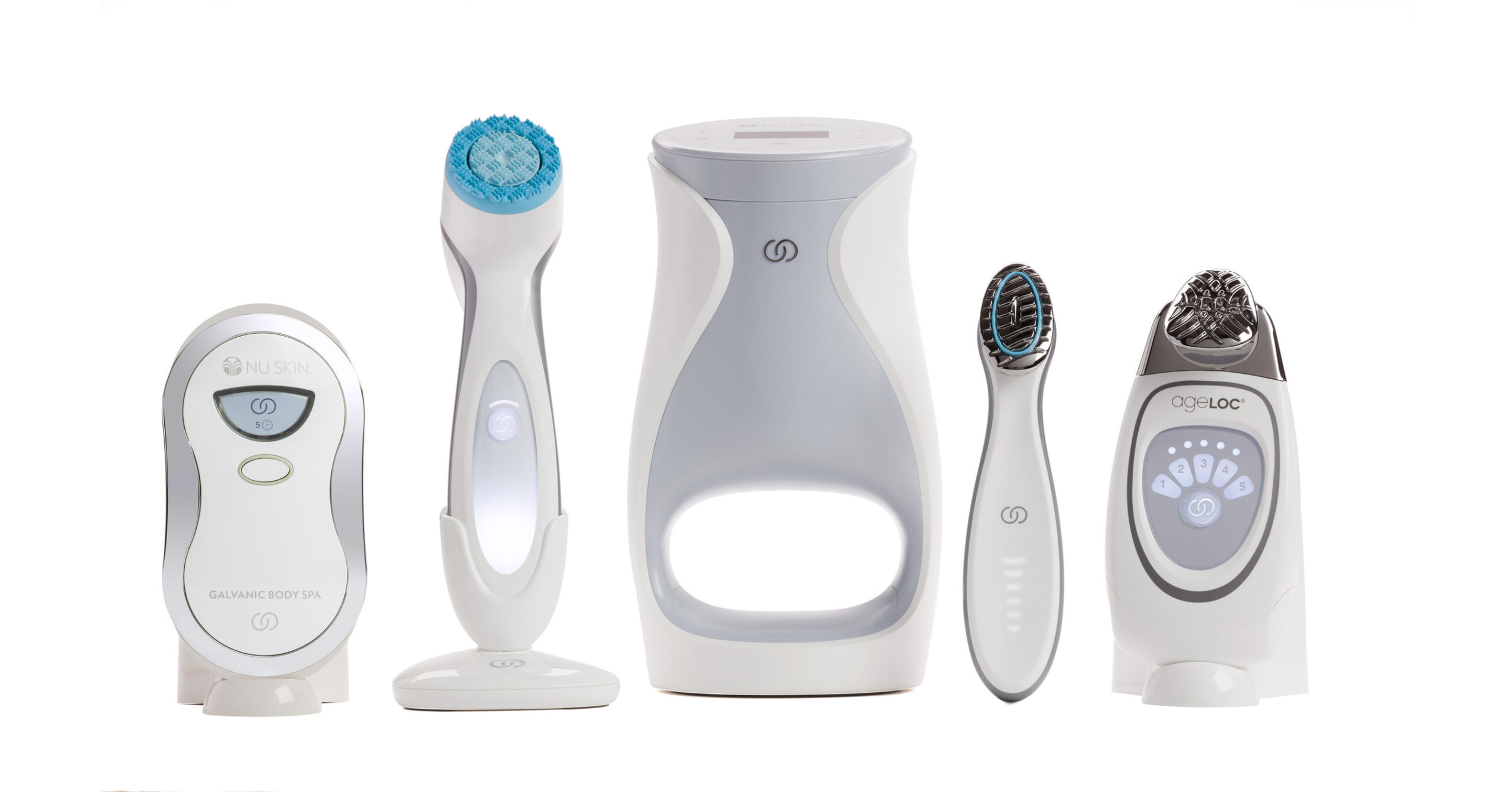
Personal grooming has evolved significantly over the years, shifting from traditional manual tools to advanced electronic solutions. Today, consumers have a wide range of options that vary in performance, convenience, and technological sophistication. Choosing between manual and electronic tools depends largely on personal preferences, lifestyle, and desired results.
The growing popularity of the personal care device category highlights how technology is reshaping everyday grooming routines, offering users more efficient and precise alternatives to traditional methods.
Understanding Manual Personal Care Tools
Manual personal care tools are traditional grooming instruments that do not rely on electricity or batteries. They are simple, affordable, and widely accessible.
Common examples include:
- Manual razors
- Hair combs and brushes
- Facial cleansing brushes (non-electric)
- Nail grooming kits
- Traditional tweezers and scissors
These tools are often preferred for their simplicity and control.
Advantages of Manual Tools
Manual grooming tools offer several benefits, especially for users who prefer straightforward routines.
Key advantages include:
- Low cost and easy availability
- No need for charging or batteries
- Lightweight and travel-friendly
- Simple maintenance requirements
- Full user control during use
They are ideal for basic grooming needs and minimalistic routines.
Limitations of Manual Devices
Despite their simplicity, manual tools have certain limitations compared to modern alternatives.
Common drawbacks include:
- Requires more time and effort
- Less precision in some grooming tasks
- Limited functionality
- Higher chance of inconsistent results
- May require frequent replacement
These limitations have contributed to the rise of electronic alternatives.
Overview of Electronic Personal Care Devices
Electronic grooming tools are powered devices designed to enhance efficiency, precision, and comfort. They incorporate modern technology to improve user experience and results.
Popular examples include:
- Electric shavers and trimmers
- Hair dryers and straighteners
- Facial cleansing brushes
- Electric toothbrushes
- LED skincare devices
These tools are widely used for both convenience and performance.
Advantages of Electronic Devices
Electronic personal care tools offer several benefits that make them highly popular in modern lifestyles.
Key advantages include:
- Faster grooming and styling
- Improved precision and consistency
- Advanced features and settings
- Reduced manual effort
- Professional-level results at home
These features make them suitable for busy and tech-oriented users.
Limitations of Electronic Devices
While highly efficient, electronic devices also come with certain challenges.
Common limitations include:
- Higher initial cost
- Need for charging or power supply
- Regular maintenance requirements
- Risk of technical malfunction
- Bulkier compared to manual tools
Despite these drawbacks, their benefits often outweigh limitations for many users.
Performance Comparison: Manual vs Electronic Tools
When comparing both types, performance is one of the most important factors. Electronic devices generally deliver faster and more consistent results, while manual tools offer simplicity and control.
Key differences include:
- Speed: Electronic devices are faster
- Precision: Electronic tools offer higher accuracy
- Effort: Manual tools require more physical effort
- Consistency: Electronic devices provide uniform results
- Control: Manual tools offer more direct user control
The choice depends on individual grooming preferences.
Safety and User Experience Differences
Safety is another important factor when comparing grooming tools. Both manual and electronic devices offer different safety experiences depending on usage.
Manual tools:
- Require careful handling to avoid cuts
- Offer full user control
- Lower risk of electrical hazards
Electronic devices:
- Include safety sensors and auto shut-off features
- Reduce direct skin contact in some cases
- Require proper handling of electrical components
Both types can be safe when used correctly.
Convenience and Lifestyle Compatibility
Lifestyle plays a major role in deciding between manual and electronic grooming tools. Busy individuals often prefer electronic solutions for efficiency.
Manual tools are better suited for:
- Simple grooming routines
- Budget-conscious users
- Travel light packing
Electronic devices are ideal for:
- Daily styling and grooming needs
- Users seeking professional results
- Time-sensitive routines
Each category serves different lifestyle requirements.
Maintenance and Longevity
Maintenance requirements also differ significantly between the two types of devices.
Manual tools:
- Require basic cleaning
- Easy to maintain
- Longer lifespan with proper care
Electronic devices:
- Require charging and battery care
- Need occasional technical maintenance
- May include replaceable parts
Proper maintenance ensures long-term performance for both.
The Role of Innovation in Electronic Devices
Innovation has significantly enhanced electronic grooming tools, making them more efficient and user-friendly.
Modern innovations include:
- Smart temperature control
- Skin and hair sensors
- Cordless rechargeable systems
- Multi-functional attachments
- Digital display interfaces
These features continue to widen the gap between manual and electronic tools.
Conclusion
Both manual and electronic grooming tools play important roles in personal care, each offering unique advantages depending on user needs and preferences. Manual tools provide simplicity and affordability, while electronic devices deliver speed, precision, and advanced functionality.
The expanding use of the personal care device category shows how technology is reshaping modern grooming habits. As innovation continues, electronic devices are expected to become even more efficient, further transforming personal care routines worldwide.
