

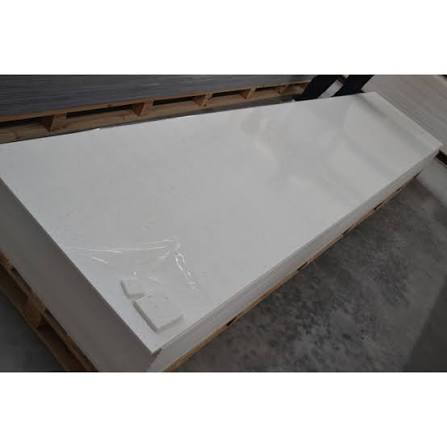
Finding a reliable solid surface supplier is an important decision for businesses involved in construction, interior design, furniture manufacturing, wholesale distribution, and commercial property development. The quality of supplied materials directly affects finished products, installation results, customer satisfaction, and long-term business reputation. As demand for durable and attractive interior materials continues to grow, many international buyers are exploring Chinese manufacturers for their sourcing requirements.
China has developed a competitive solid surface manufacturing industry with diverse product options, customization services, and established export capabilities. However, choosing the right supplier requires more than comparing quotations. Businesses sourcing Solid Surfaces China should carefully evaluate manufacturing experience, material quality, production capacity, technical documentation, and customer support. A structured supplier selection process can help reduce purchasing risks and establish a dependable supply chain.
1. Understand Your Business Requirements
Before contacting potential suppliers, clearly identify your business requirements. Different companies have different purchasing priorities depending on their customers, project types, and intended applications.
For example, a furniture manufacturer may prioritize consistent sheet dimensions and fabrication flexibility, while a construction contractor may focus on durability, appearance, and delivery schedules.
Consider the following factors:
- Product type: Determine whether you need acrylic solid surfaces, modified acrylic materials, polyester-based products, or customized surface solutions.
- Application: Identify whether the materials will be used for countertops, vanity tops, reception desks, wall panels, or commercial furniture.
- Specifications: Establish the required thickness, dimensions, colors, patterns, and surface finishes.
- Order quantity: Estimate your initial purchasing volume and expected future demand.
- Budget: Define a realistic purchasing budget that includes product costs, transportation, and import expenses.
- Delivery requirements: Establish the timeframe within which materials must arrive at your destination.
Having these details prepared makes supplier communication more efficient and helps manufacturers provide accurate quotations.
2. Evaluate the Supplier’s Manufacturing Experience
Manufacturing experience is an important indicator when evaluating potential suppliers. Companies with established production operations are often more familiar with material processing, quality management, customization, and international customer requirements.
Start by reviewing the supplier’s company background, manufacturing history, product catalog, and available factory information.
Important questions include:
- How long has the company been manufacturing solid surface materials?
- Which product categories does it specialize in?
- Does it operate its own production facilities?
- What manufacturing equipment and technologies does it use?
- Can it provide references or examples of completed projects?
- Does it regularly supply international customers?
A supplier with relevant industry experience may be better prepared to understand technical requirements and manage complex orders.
However, company age alone does not guarantee product quality. Manufacturing capabilities, inspection procedures, and actual product performance should also be evaluated.
3. Check Material Quality and Composition
Material quality should be one of the highest priorities when selecting a solid surface supplier. Although different products may look similar, their compositions and manufacturing processes can influence durability, appearance, fabrication characteristics, and maintenance requirements.
Common solid surface formulations include acrylic-based, modified acrylic, and polyester-based materials. Each category has different characteristics, so buyers should select products according to their intended applications.
When evaluating samples, pay attention to:
- Surface smoothness and visual consistency
- Color uniformity across the material
- Material density and structural consistency
- Resistance to common stains
- Scratch resistance under appropriate testing conditions
- Heat performance
- Water absorption characteristics
- Repairability and maintenance requirements
Request technical data sheets that explain the material composition and performance specifications. For specialized applications, independent laboratory test reports can provide additional confidence.
4. Request Samples Before Placing Bulk Orders
Ordering physical samples is one of the most practical ways to evaluate a supplier’s products. Online catalogs and photographs provide useful initial information, but they cannot fully demonstrate surface texture, material consistency, and actual color appearance.
Ask shortlisted suppliers to provide samples in the specific colors, patterns, and finishes required for your business.
Once received, inspect the samples under different lighting conditions. Compare their appearance with your design requirements and check for visible imperfections, uneven textures, or inconsistencies.
If your business regularly purchases large quantities, consider requesting samples from different production batches. This can help determine whether the manufacturer maintains consistent quality over time.
For fabricated products, evaluate the quality of edges, joints, polishing, and integrated components such as sinks or washbasins.
5. Examine Manufacturing Capacity and Production Facilities
A supplier’s production capacity determines whether it can handle your current requirements and support future business growth.
Companies involved in wholesale distribution or large construction projects may need substantial quantities of materials within strict delivery schedules. A supplier with limited manufacturing resources could struggle to meet these requirements.
Consider evaluating the following:
Production equipment: Modern machinery can support accurate processing, consistent dimensions, and efficient manufacturing.
Factory infrastructure: Organized production facilities and suitable storage areas can contribute to better operational management.
Workforce experience: Skilled workers are important for material preparation, fabrication, finishing, and inspection.
Production volume: Ask about monthly capacity, current order commitments, and the ability to accommodate additional orders.
Inventory management: Understand whether the supplier maintains ready stock or manufactures products after receiving confirmed orders.
If possible, arrange a factory visit or request a virtual manufacturing tour to gain a clearer understanding of the supplier’s operations.
6. Review Customization Capabilities
Different businesses often require unique surface designs to satisfy their customers. A reliable manufacturer should be able to explain which customization services it offers and whether those services are suitable for your project.
Depending on production capabilities, customization may include:
- Special colors and decorative patterns
- Different sheet dimensions and thicknesses
- Matte, polished, or textured finishes
- Customized countertops and vanity tops
- Integrated sinks and washbasins
- Special shapes and fabricated components
- Private-label and branded product options
Before confirming an order, discuss design requirements, development costs, sample approval procedures, and minimum order quantities for customized products.
It is also important to confirm whether the manufacturer can reproduce approved designs consistently in future orders.
7. Verify Certifications and Quality Management Systems
Certifications and technical documentation help buyers understand how a manufacturer manages product quality and production standards.
Depending on the supplier and target market, relevant documents may include quality management certifications, product test reports, material safety documentation, and environmental certifications.
When reviewing documentation, check:
- Whether the certificate is valid and current
- Which organization issued it
- Whether it applies to the actual manufacturing facility
- Whether the tested product matches the product being purchased
- Whether the testing method is relevant to the intended application
For example, an ISO 9001 quality management certification can provide information about a company’s quality management system, but it does not automatically establish that every product meets a particular performance standard.
Buyers should therefore evaluate certifications alongside physical samples, technical specifications, and inspection results.
8. Compare Pricing and Minimum Order Quantities
Pricing is an important part of supplier selection, especially for distributors, wholesalers, and businesses operating with limited procurement budgets.
However, the cheapest quotation may not provide the best overall value. Differences in resin formulation, sheet dimensions, thickness, finishing, packaging, and quality standards can explain variations between supplier offers.
Request detailed quotations from several manufacturers using the same product specifications.
Compare the following:
- Unit price and pricing currency
- Minimum order quantity
- Sample and customization charges
- Packaging costs
- Production lead time
- Payment conditions
- Shipping arrangements
- Additional inspection expenses
Also calculate the estimated landed cost, including international freight, insurance, customs duties, taxes, and local handling charges.
This approach helps businesses make purchasing decisions based on the complete financial commitment rather than the initial product price.
9. Assess International Shipping and Export Experience
For international buyers, manufacturing quality is only one part of the procurement process. Products must also be packaged and transported properly to prevent damage during shipment.
Solid surface sheets and fabricated components can be vulnerable to scratches, cracks, and damaged edges if packaging is inadequate.
A supplier with international export experience should understand the documentation and logistics requirements associated with overseas orders.
Discuss the following matters before confirming a purchase:
- Export documentation and commercial invoices
- Packing lists and product descriptions
- Protective packaging materials
- Container loading procedures
- Shipping methods and estimated transit times
- Insurance responsibilities
- Agreed Incoterms
- Customs clearance requirements
Buyers should also confirm who is responsible for transportation costs and risks at each stage of delivery.
Clear shipping arrangements help prevent unexpected expenses and misunderstandings.
10. Evaluate Communication and Customer Service
Effective communication is essential when working with an overseas supplier. Differences in time zones, languages, and business practices can create challenges if information is not exchanged clearly.
A professional supplier should respond to inquiries promptly and provide accurate information about products, specifications, pricing, and production schedules.
Evaluate how the company handles:
- Initial product inquiries
- Technical questions
- Sample requests
- Quotation preparation
- Order confirmation
- Production updates
- Quality complaints
- After-sales support
Pay attention to whether the supplier provides specific answers or relies on vague promises. Clear written communication is particularly important when discussing customized specifications and delivery commitments.
Reliable customer service can make a substantial difference when managing repeat orders or resolving unexpected production issues.
11. Establish Clear Quality Inspection Procedures
Quality inspections should be included in the purchasing agreement before manufacturing begins. This ensures that both parties understand the expected product standards and how compliance will be evaluated.
Depending on order size and product complexity, inspections may take place at different stages.
Raw material inspection: Check incoming materials and verify that they meet the agreed specifications.
Production inspection: Monitor manufacturing processes to identify potential inconsistencies before products are completed.
Finished product inspection: Examine dimensions, color, surface quality, and visible defects.
Pre-shipment inspection: Confirm that finished products, quantities, and packaging match the purchase agreement.
For large orders, businesses may consider hiring independent inspection companies to verify product quality before shipment.
Documenting inspection requirements provides a clear reference if quality disputes arise.
12. Watch for Common Supplier Selection Risks
International sourcing creates opportunities, but it also involves potential risks. Businesses should recognize warning signs before committing to large purchases.
Some common concerns include:
- Unusually low quotations without clear product specifications
- Incomplete or unverifiable company information
- Refusal to provide physical samples
- Inconsistent technical documentation
- Unclear production timelines
- Unwillingness to agree on inspection requirements
- Poor communication during initial discussions
- Unclear payment and refund conditions
Buyers should verify company details, confirm banking information through trusted channels, and use appropriate payment protections.
Avoid making large advance payments before completing basic supplier verification and agreeing on the essential terms of the transaction.
13. Build Long-Term Relationships with Reliable Suppliers
Selecting a manufacturer should be viewed as a long-term business decision rather than a one-time purchasing activity.
A dependable supplier relationship can improve product consistency, reduce repeated evaluation work, and make future orders easier to manage.
Once a supplier has demonstrated reliable performance, businesses can establish standardized product specifications, approved samples, and repeat-order procedures.
Regular communication also helps manufacturers understand changing market demand and prepare for upcoming requirements.
For distributors and wholesalers, long-term cooperation may create opportunities for better production planning, volume-based pricing discussions, and more efficient inventory management.
Nevertheless, businesses should continue monitoring supplier performance through periodic quality reviews and delivery assessments.
Conclusion
Choosing reliable solid surface suppliers in China requires a systematic evaluation of manufacturing experience, product quality, production capacity, customization services, certifications, pricing, and export capabilities. Businesses should avoid making decisions based solely on attractive quotations and instead consider the complete value offered by each manufacturer.
Requesting samples, verifying technical documentation, reviewing production facilities, and establishing clear quality inspection procedures can significantly reduce sourcing risks. Equally important are effective communication, transparent purchasing agreements, and dependable after-sales support.
By following these practices, wholesalers, contractors, distributors, and interior design businesses can identify suitable Chinese manufacturers and develop long-term sourcing relationships that support consistent product quality, efficient procurement, and sustainable business growth.
