

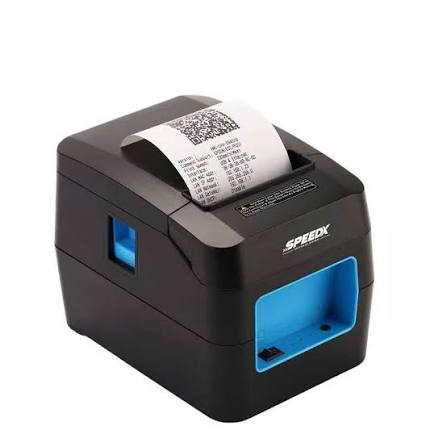
Printing technology plays an important role in modern business operations. Companies across different sectors rely on printed receipts, product labels, shipping documents, identification tags, and transaction records to organize their daily activities. As businesses look for faster and more convenient printing solutions, thermal printing has become increasingly common.
Thermal printers use heat to produce text, graphics, and barcodes on compatible printing materials. Depending on the technology, they either activate a heat-sensitive coating or transfer ink from a ribbon onto a label surface. Their printing speed, relatively simple operation, and flexible applications make them suitable for environments with frequent printing requirements. Understanding how a Thermal Printer supports different industries can help businesses identify opportunities to improve productivity and information management.
Understanding Thermal Printing Technology
Thermal printing is a method of producing printed content through controlled heat. A thermal printhead contains small heating elements that activate specific areas of the printing material.
There are two primary thermal printing methods:
Direct thermal printing: This method uses heat-sensitive paper or labels. The printhead heats selected areas of the material, causing the coating to change color and create the required image. It does not require ink, toner, or a ribbon.
Thermal transfer printing: This method uses heat to transfer ink from a ribbon onto compatible paper or synthetic materials. It is commonly selected for applications that require more durable printed labels.
Both methods have practical uses across industries, although the best option depends on the required print lifespan, material, and operating environment.
1. Retail Industry
<AsyncImage query=”retail checkout counter thermal receipt printer printing customer receipt point of sale” aspectRatio=”16:9″ width=”100%”/>
Retail businesses handle numerous transactions every day, making reliable receipt and label printing essential. Thermal printers are widely used at checkout counters, product labeling stations, and inventory management workspaces.
Common Retail Applications
- Customer receipts: Printing transaction details, product prices, taxes, and payment information.
- Barcode labels: Producing scannable codes for product identification.
- Price tags: Creating labels for shelves, merchandise, and promotional displays.
- Inventory labels: Identifying stock during receiving, storage, and distribution.
- Return documentation: Generating transaction records for product exchanges and refunds.
Thermal receipt printers help retailers process transactions efficiently, while thermal label printers support product identification and stock management. When connected to point-of-sale systems, they can receive transaction information automatically and reduce manual data entry.
2. Hospitality and Restaurant Industry
<AsyncImage query=”restaurant kitchen thermal printer printing food order ticket on counter” aspectRatio=”16:9″ width=”100%”/>
Restaurants, cafes, hotels, and food service businesses depend on clear communication between employees. Thermal printers help organize orders, produce bills, and identify takeaway packages.
In restaurants, kitchen printers can receive order details directly from a POS system. This allows kitchen employees to view food selections, table numbers, quantities, and special preparation instructions.
Common Hospitality Applications
- Printing customer bills and payment receipts.
- Producing kitchen order tickets.
- Generating takeaway and delivery labels.
- Printing queue and service tickets.
- Creating hotel transaction records.
- Identifying food orders and packaging.
For businesses handling many orders simultaneously, automated printing can reduce communication delays and help employees maintain organized service workflows.
3. Healthcare and Medical Facilities
<AsyncImage query=”hospital medical laboratory barcode label printer printing specimen labels” aspectRatio=”16:9″ width=”100%”/>
Healthcare facilities handle sensitive information and numerous medical samples, medications, and patient records. Accurate identification is essential for maintaining organized workflows and reducing the risk of mix-ups.
Thermal printing technology supports several healthcare documentation and labeling tasks.
Common Healthcare Applications
Patient identification: Printing wristbands and labels containing relevant patient identification information.
Laboratory sample labeling: Producing barcode labels for blood samples, test tubes, and other specimens.
Medication identification: Creating labels with dosage instructions, product details, and tracking information where appropriate.
Medical equipment tracking: Identifying devices and supplies through printed asset labels.
Pharmacy operations: Producing prescription-related labels and medication identification materials.
Thermal transfer printing is often considered when labels need to withstand handling, storage, or exposure to cleaning products. Healthcare organizations should select approved materials and follow applicable privacy, identification, and labeling standards.
4. Logistics and Transportation
<AsyncImage query=”logistics warehouse shipping thermal label printer printing parcel barcode shipping labels” aspectRatio=”16:9″ width=”100%”/>
Logistics companies manage large quantities of packages that move through warehouses, sorting facilities, distribution centers, and delivery networks. Each package requires accurate identification to support tracking and transportation.
Thermal printers are widely used to produce shipping labels containing addresses, tracking numbers, and barcodes.
Common Logistics Applications
- Shipping and parcel labels.
- Package tracking barcodes.
- Warehouse location labels.
- Pallet identification tags.
- Sorting and routing labels.
- Delivery documentation.
Printed barcodes can be scanned at different stages of the delivery process, allowing logistics systems to update package information and improve tracking visibility.
Direct thermal printing is frequently used for shipping labels with relatively short-term requirements, while thermal transfer printing may be appropriate for durable warehouse and asset identification.
5. Manufacturing Industry
Manufacturing facilities produce products that often require identification throughout production, storage, and distribution. Thermal printers help create labels that connect physical items with digital production and inventory records.
Common Manufacturing Applications
Product identification: Printing product names, model numbers, serial numbers, and manufacturing information.
Component tracking: Creating labels for individual parts and materials used during production.
Quality control: Producing identification labels for inspected products and batches.
Asset management: Labeling machinery, tools, and equipment for maintenance and tracking.
Packaging information: Printing product codes, barcodes, and other required details on packaging labels.
Thermal transfer printers are particularly useful for manufacturing applications that require labels to remain readable during storage or handling. The selected media and ribbon should match the environmental conditions of the production facility.
6. E-Commerce and Online Retail
E-commerce businesses process orders through digital platforms, but physical products still need accurate identification before shipment. Thermal printing helps connect online order management systems with warehouse packing and delivery activities.
Common E-Commerce Applications
- Printing customer shipping labels.
- Generating order identification stickers.
- Creating return labels.
- Producing inventory barcodes.
- Labeling storage bins and shelves.
- Identifying products before dispatch.
When connected to order management software, thermal printers can automatically receive shipping details and produce labels without requiring employees to enter the information manually.
This can improve order preparation and help reduce labeling errors, particularly for businesses handling large numbers of daily shipments.
7. Banking and Financial Services
Banks and financial service providers generate transaction records and documents that customers may need for reference. Thermal printing is used in several customer-facing and self-service applications.
Common Financial Applications
- ATM transaction receipts.
- Bank queue management tickets.
- Payment terminal receipts.
- Deposit and withdrawal confirmations.
- Self-service kiosk tickets.
- Transaction records for selected financial devices.
Compact thermal printers are suitable for devices with limited installation space, such as ATMs and payment terminals. Their ability to print transaction details quickly supports efficient customer service.
8. Transportation and Public Transit
<AsyncImage query=”public transportation ticket vending machine thermal ticket printer transit ticket” aspectRatio=”16:9″ width=”100%”/>
Public transportation systems require reliable ticketing and passenger information solutions. Thermal printers are commonly integrated into ticket vending machines, kiosks, and staffed ticket counters.
Common Transportation Applications
Travel tickets: Printing tickets for buses, trains, and other public transportation services.
Parking receipts: Producing entry and payment tickets for parking facilities.
Queue management: Generating service tickets at transportation terminals.
Luggage identification: Printing baggage tags with tracking information.
Passenger documentation: Producing transaction records and other travel-related documents.
Thermal ticket printers can support high-volume passenger environments where fast and consistent ticket production is important.
9. Warehousing and Inventory Management
Warehouses manage products from multiple suppliers, often with different sizes, categories, and storage requirements. Accurate labeling helps employees identify items and maintain organized inventory records.
Thermal printers support these operations by producing barcode labels, shelf identifiers, pallet tags, and product information.
Common Warehouse Applications
- Stock identification labels.
- Storage location labels.
- Pallet tracking tags.
- Receiving and dispatch labels.
- Inventory counting labels.
- Asset identification tags.
When connected to warehouse management systems, printers can generate labels using existing inventory data. Employees can then scan barcodes to retrieve product information and update stock records.
This reduces reliance on handwritten labels and supports more consistent inventory management.
10. Education and Institutional Facilities
Schools, colleges, universities, and other institutions manage equipment, documents, payments, and visitor information. Thermal printers can support several administrative and operational activities.
Common Educational Applications
- Library book barcode labels.
- Student identification labels.
- Visitor and event tickets.
- Cafeteria receipts.
- Equipment asset tags.
- Queue management tickets.
Libraries can use thermal label printers to identify books and other materials, while administrative offices may use receipt printers for payment and service records.
These applications help institutions organize information and manage routine tasks more efficiently.
11. Entertainment and Event Management
Entertainment venues and event organizers need efficient ticketing systems to manage large numbers of visitors. Thermal printers are commonly used for producing tickets and admission records.
Common Event Applications
- Concert and festival tickets.
- Cinema tickets.
- Exhibition passes.
- Theme park admission tickets.
- Parking tickets.
- Queue and reservation tickets.
Thermal ticket printers can produce printed information such as event names, dates, seat numbers, entry codes, and barcodes. Scannable ticket information helps staff verify admission and manage visitor flow.
12. Government and Public Service Offices
Government departments and public service facilities process applications, payments, registrations, and other administrative activities. Thermal printers can help produce the documents required for these services.
Common Applications
- Public service queue tickets.
- Payment receipts.
- Application submission records.
- Parking and access tickets.
- Visitor identification labels.
- Self-service kiosk documents.
In high-traffic offices, automated ticket printing can help organize customer queues and provide visitors with clear service references.
13. Agriculture and Food Distribution
Agricultural businesses and food distribution companies manage products that move through harvesting, packaging, storage, and transportation. Product identification is important for tracking batches and organizing distribution.
Thermal printers can produce labels containing product names, batch numbers, packaging dates, and barcode information.
Common Applications
- Produce identification labels.
- Food packaging labels.
- Batch tracking tags.
- Storage and inventory labels.
- Distribution labels.
- Shipment identification.
The printing material must be selected carefully because food distribution environments may involve moisture, refrigeration, temperature changes, and frequent handling. Appropriate label materials can help maintain readability under the intended conditions.
14. Automotive and Equipment Industries
Automotive manufacturers, repair facilities, and equipment suppliers use identification labels to organize parts, tools, and machinery.
Thermal printing supports these requirements by producing labels containing serial numbers, model information, barcodes, and maintenance details.
Common applications include:
- Automotive component identification.
- Spare parts labeling.
- Equipment tracking.
- Tool inventory management.
- Maintenance identification tags.
- Product packaging labels.
Thermal transfer technology can be useful when labels need to withstand more demanding storage or operating conditions, provided the ribbon and substrate are suitable for the application.
Benefits of Thermal Printers Across Different Industries
Although printing requirements vary between sectors, thermal printers offer several advantages that make them useful in many business environments.
Fast Printing Performance
Thermal printers can produce receipts and labels quickly, supporting operations where employees handle frequent printing tasks.
Reduced Ink and Toner Requirements
Direct thermal printers do not require conventional ink or toner. This simplifies consumable management, although they require compatible heat-sensitive media.
Convenient Barcode Printing
Both direct thermal and thermal transfer printers can produce barcodes for inventory management, shipping, product identification, and tracking.
Compact Equipment Options
Many thermal printers are designed for workstations with limited space, including checkout counters, reception desks, and mobile service areas.
Flexible Integration
Compatible models can connect with POS terminals, computers, mobile devices, and business management systems through supported interfaces.
Application-Specific Media Choices
Thermal printing systems support different paper, label, and ribbon combinations, allowing businesses to select materials according to their requirements.
How to Choose a Thermal Printer for Your Industry
Selecting the right printer requires more than comparing product prices. Businesses should evaluate their applications, expected workload, and operating conditions.
1. Identify the Printing Purpose
Determine whether the equipment will produce receipts, shipping labels, product tags, tickets, or long-term identification labels.
2. Choose the Appropriate Printing Technology
Direct thermal printing is often suitable for receipts and temporary labels. Thermal transfer printing is generally preferable when longer-lasting prints or specialized label materials are required.
3. Consider Print Resolution
Choose a resolution that supports the required text size, graphics, and barcode details. Small labels and detailed codes may require higher-resolution printing.
4. Evaluate Printing Speed and Volume
Estimate the number of labels or receipts produced during normal and peak operating periods. Select a model capable of handling the expected workload.
5. Check Connectivity and Compatibility
Confirm that the printer supports the business’s existing software and hardware. Common connection options include USB, Ethernet, Bluetooth, and Wi-Fi, depending on the model.
6. Review Media and Maintenance Requirements
Check the availability and cost of compatible paper, labels, and ribbons. Also consider printhead cleaning, replacement parts, and technical support.
7. Consider the Operating Environment
A printer used in a warehouse may require different features from one installed at a quiet retail checkout counter. Consider dust, temperature, moisture, available space, and daily usage.
Conclusion
Thermal printers have become valuable tools across a wide range of industries because they support fast, convenient, and consistent printing. Retail businesses use them for receipts and product labels, restaurants rely on them for order tickets, healthcare facilities use them for identification, and logistics companies depend on them for shipping and tracking labels.
Their applications also extend to manufacturing, banking, transportation, education, entertainment, agriculture, and public services. Although each industry has different requirements, thermal printing can help simplify information management and improve daily workflows.
By understanding the available printing technologies and selecting equipment according to application needs, businesses can make better purchasing decisions and establish more efficient printing processes.
