

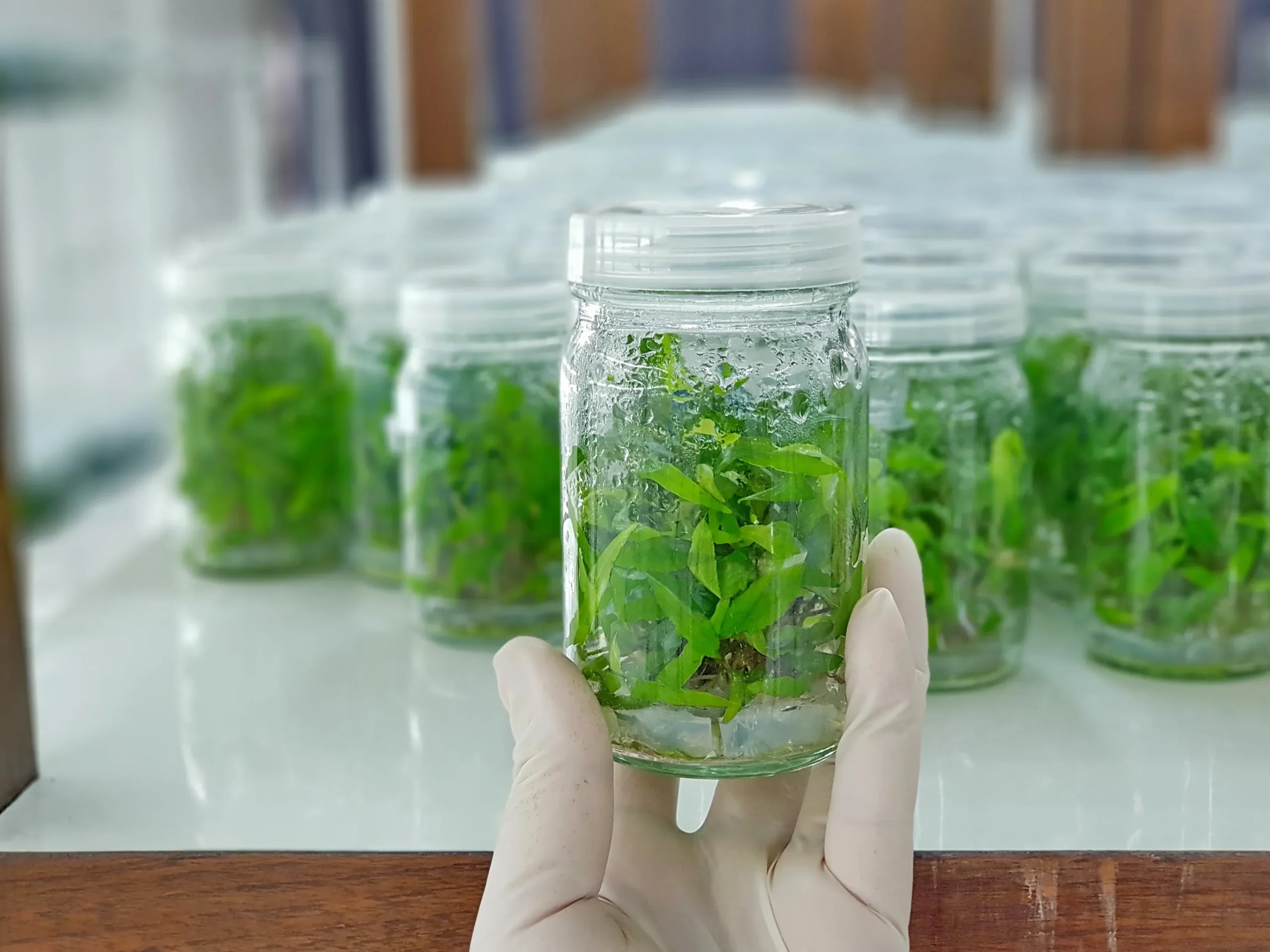
Tissue culture propagation allows tropical plants to develop under carefully controlled laboratory conditions. However, plants grown in culture vessels are not always ready to adapt immediately to a conventional greenhouse or nursery environment. Changes in humidity, light, airflow, and moisture availability can create stress during the transition. Proper acclimatization helps young plants adjust gradually and establish healthy roots and foliage.
For commercial growers, sourcing Wholesale Tissue Culture Tropical Plants can provide a practical way to obtain planting material for large-scale production. To achieve good establishment rates, nurseries should prepare suitable growing facilities and follow a consistent acclimatization process. The right approach depends on the plant variety, development stage, and condition of the plants when they arrive.
1. Inspect Plants Immediately After Delivery
Begin acclimatization with a careful inspection of the shipment. Check whether the packaging is intact and confirm that the received varieties and quantities match the order.
Examine plants for:
- Healthy leaf color and normal development
- Visible root growth
- Broken stems or damaged leaves
- Unusual discoloration or contamination
- Signs of dehydration or transportation stress
Photograph any significant damage and contact the supplier if the shipment does not meet the agreed specifications. Keep newly received plants separate from established nursery stock until they have been inspected.
2. Prepare a Clean Acclimatization Area
Before opening the shipment, prepare a dedicated area where young plants can adjust to nursery conditions. A clean and organized workspace helps reduce contamination risks and makes plant handling easier.
The acclimatization area should provide:
- Stable temperatures suitable for tropical varieties
- Adjustable humidity levels
- Gentle air circulation
- Filtered or indirect lighting
- Clean benches, trays, and containers
Avoid placing newly delivered plants directly among mature plants without inspection. Separating new batches also makes it easier to monitor their progress and identify problems early.
3. Remove Plants from Culture Vessels Carefully
Many tissue culture plants are delivered in sealed vessels or other protective packaging. Opening these containers requires care because young leaves, stems, and roots can be delicate.
Follow the supplier’s instructions for removing plants. If the roots are surrounded by culture medium, gently remove excess material as recommended for the particular plant. Avoid pulling or rubbing delicate roots unnecessarily.
Handle plants by their stronger structures rather than squeezing leaves or growing points. Keep different varieties and batches clearly labeled throughout the process to prevent identification errors.
4. Transfer Plants into a Suitable Growing Medium
After removal from culture vessels, plants may need to be transferred into a growing medium that supports root development and provides appropriate moisture and aeration.
Choose a clean medium suited to the tropical species being grown. Different varieties may have different preferences for drainage, moisture retention, and root-zone airflow.
During transplanting:
- Prepare clean trays or individual containers.
- Make sure drainage is appropriate for the growing system.
- Position plants carefully without damaging their roots.
- Avoid burying sensitive stems or growing points.
- Label each variety and batch clearly.
Do not assume that one substrate will work equally well for every tropical plant. Follow species-specific recommendations wherever possible.
5. Maintain Suitable Humidity During the Initial Stage
Humidity management is one of the most important parts of acclimatization. Plants developed in controlled culture environments may have limited ability to regulate water loss when first exposed to external conditions.
A relatively humid environment can help reduce moisture loss while plants adjust. However, excessive humidity without adequate ventilation can increase the risk of fungal and bacterial problems.
Use suitable covers, propagation chambers, or controlled greenhouse systems where appropriate. Monitor humidity regularly and introduce ventilation gradually according to plant response and supplier guidance.
6. Adjust Lighting Gradually
Newly transferred tissue culture plants may be sensitive to intense light. Direct sunlight immediately after delivery can cause leaf damage, discoloration, or excessive water loss.
Begin with filtered or indirect light at an intensity appropriate for the species. As plants establish, gradually increase light exposure according to their growth response.
Watch for signs that lighting conditions need adjustment:
- Pale or bleached leaves
- Brown or dry leaf edges
- Wilting despite suitable moisture
- Slow or uneven development
Tropical varieties do not all have identical light requirements, so adjust conditions based on their individual characteristics.
7. Manage Watering and Root-Zone Moisture
Young plants often have developing root systems, which makes careful watering important. Both insufficient moisture and waterlogged growing media can interfere with establishment.
Check the growing medium regularly and water according to its moisture condition rather than following a rigid schedule. Ensure that excess water can drain away and avoid leaving containers in standing water unless the growing system specifically requires it.
Use clean water and monitor plants for wilting, yellowing, or signs of root deterioration. Adjust watering practices as the roots develop and the plants become better established.
8. Introduce Airflow Gradually
Plants grown in protected environments need time to adjust to normal greenhouse airflow. Moving them suddenly into areas with strong ventilation or dry air may increase water loss and stress.
Begin with gentle air movement and gradually increase ventilation as plants become established. Avoid placing young batches directly in front of fans or near areas with strong temperature fluctuations.
Good airflow is still important because it helps reduce stagnant conditions and supports a healthier growing environment. The objective is to introduce it progressively rather than expose plants to abrupt changes.
9. Monitor Plant Health and Development
Acclimatization should be treated as a monitored production stage rather than a one-time transplanting activity. Regular inspections help identify problems before they affect an entire batch.
Record observations such as:
- Initial condition after delivery
- Temperature and humidity levels
- Lighting and watering adjustments
- Root development
- New leaf growth
- Signs of pests, disease, or stress
- Survival and establishment rates
If several plants show similar symptoms, review the environmental conditions and handling procedures. Consult the supplier when the cause is unclear or the problem continues.
10. Avoid Common Acclimatization Mistakes
Some plant losses occur because growers move too quickly from controlled laboratory conditions to standard greenhouse production.
Common mistakes include:
- Exposing plants to strong sunlight immediately
- Reducing humidity too quickly
- Overwatering plants with developing roots
- Using unsuitable or contaminated growing media
- Handling delicate roots roughly
- Providing insufficient ventilation
- Applying fertilizers or treatments without considering plant development
A gradual transition, combined with regular observation, is generally more reliable than making several major environmental changes at once.
11. Prepare Plants for Normal Nursery Production
Once plants show stable growth and have adjusted to their growing environment, they can gradually move into the next stage of nursery production.
Look for signs such as new leaf development, stronger roots, improved stability, and consistent growth. Reduce protective conditions gradually rather than removing them suddenly.
At this stage, adjust spacing, watering, nutrition, and environmental management according to the requirements of each variety. Continue monitoring plants after they leave the acclimatization area to ensure that they remain healthy.
Conclusion
Acclimatizing tissue culture tropical plants requires careful handling, suitable growing media, controlled humidity, appropriate lighting, and gradual environmental adjustments. These steps help young plants transition from laboratory conditions into commercial nursery production while reducing unnecessary stress.
For successful results, growers should prepare their facilities before delivery, follow supplier recommendations, and monitor each batch throughout establishment. A consistent acclimatization procedure can improve production planning, support healthier plant development, and help commercial nurseries make better use of their incoming planting material.
