

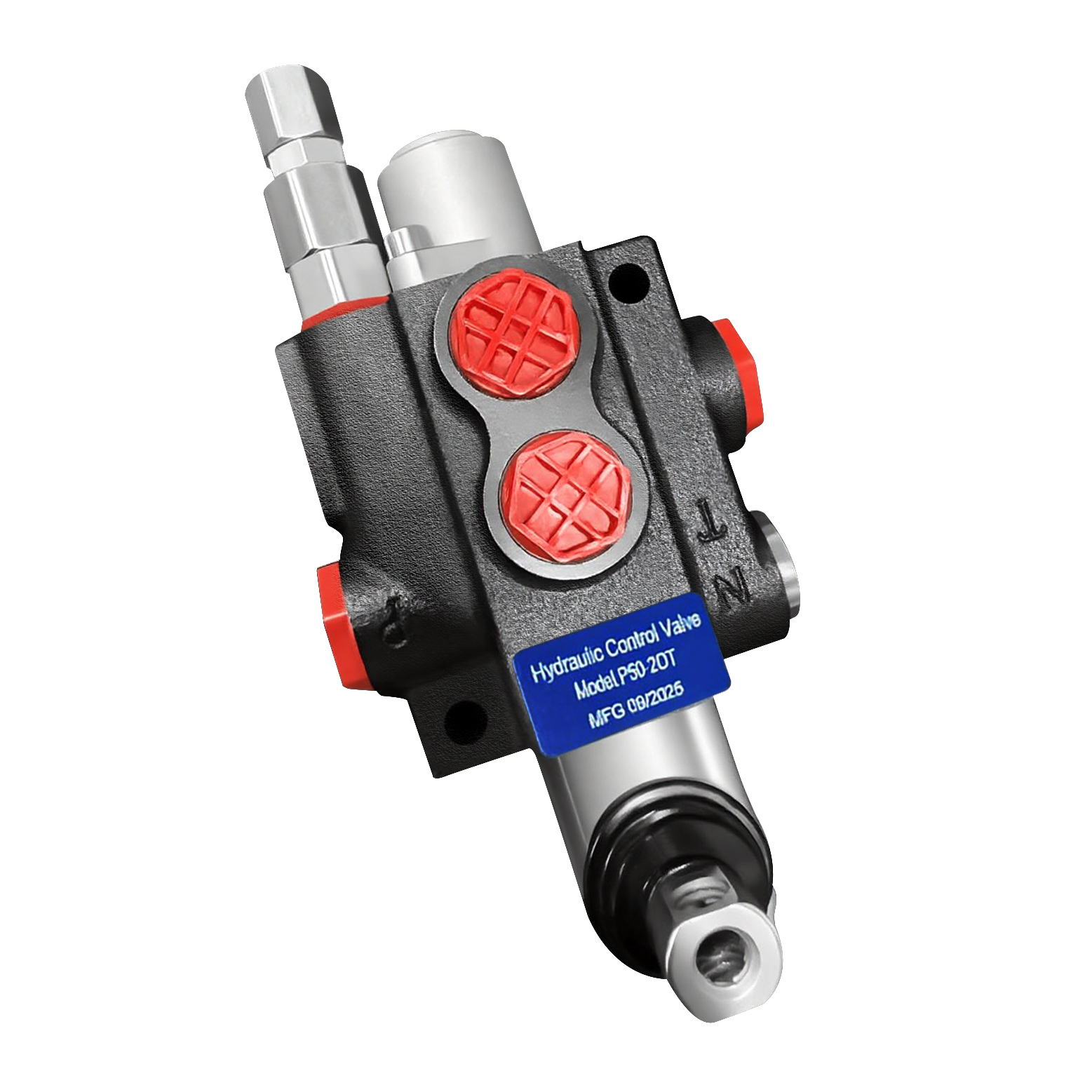
Unexpected hydraulic failures can interrupt production, delay equipment operation, and increase maintenance costs. In demanding applications, even a relatively small valve problem can affect cylinders, motors, pumps, and other connected components.
A customized hydraulic control valve can help address application-specific requirements when a standard valve does not provide the required fit or operating characteristics. By matching the valve to the hydraulic system, engineers can reduce certain compatibility and performance issues that may contribute to unnecessary downtime.
Identify the Causes of Hydraulic Downtime
Reducing downtime starts with understanding why failures occur. Hydraulic problems can result from contamination, leakage, excessive pressure, incorrect valve sizing, poor connections, overheating, or component wear.
A valve should therefore be evaluated as part of the complete hydraulic circuit rather than as an isolated component. This approach can reveal whether the valve itself or another system component is contributing to recurring problems.
Match the Valve to Operating Pressure
Pressure requirements should be clearly established before selecting a valve. The specification should account for normal operating pressure as well as maximum pressure and potential pressure spikes.
Using a valve that is unsuitable for the system’s pressure range can increase the risk of leakage, unstable operation, or premature wear. Proper pressure matching provides a stronger foundation for reliable service.
Select the Correct Flow Capacity
Insufficient flow capacity can create excessive pressure loss and restrict actuator performance. On the other hand, selecting a valve significantly larger than necessary may add cost and may not provide better control.
Consider continuous and peak flow requirements when determining valve specifications. Evaluating pressure drop at relevant flow rates can also help identify potential efficiency problems.
Improve Compatibility With Existing Equipment
Compatibility issues can lead to installation delays and repeated maintenance problems. Port sizes, connection standards, mounting dimensions, and control interfaces should match the existing hydraulic system.
When a standard valve does not fit the machine’s configuration, a customized design can be developed around these physical and functional requirements. This can reduce the need for extensive modifications or additional adapters.
Reduce Leakage Risks
Hydraulic leakage can lower system efficiency and create maintenance requirements. External leakage may also lead to fluid loss and contamination of the surrounding equipment.
Appropriate seal selection, accurate machining, proper assembly, and suitable operating pressure all contribute to leakage control. These factors should be addressed during valve design and quality inspection.
Consider Hydraulic Fluid Cleanliness
Contaminated hydraulic fluid is a common source of component wear and malfunction. Small particles can interfere with internal valve clearances, damage sealing surfaces, and cause moving components to stick.
Effective filtration and proper fluid maintenance should be combined with clean manufacturing and installation practices. A valve cannot reliably compensate for a hydraulic system with consistently poor fluid cleanliness.
Manage Temperature and Heat
Excessive hydraulic heat can accelerate seal deterioration, reduce fluid quality, and affect component performance. Pressure losses across restrictive valves can contribute to unnecessary heat generation.
Valve sizing and flow characteristics should therefore be evaluated alongside the system’s thermal conditions. Maintaining suitable fluid temperature can support more stable long-term operation.
Design for Maintenance Access
A valve may require inspection, adjustment, cleaning, or seal replacement during its service life. If the component is difficult to access, routine maintenance can take longer and increase equipment downtime.
Installation planning should provide sufficient space around the valve for inspection and service. Where practical, serviceable components should be accessible without extensive disassembly.
Consider Duty Cycle
The frequency with which a valve operates affects its wear and service requirements. A valve used occasionally has different durability demands from one that switches repeatedly throughout a production cycle.
When specifying a valve, provide information about operating frequency, pressure cycles, expected service life, and typical load conditions. This allows the design to reflect the actual workload.
Use Appropriate Materials
Valve materials should be selected according to the hydraulic fluid, pressure, temperature, and surrounding environment. Equipment operating outdoors or in corrosive environments may require different material considerations from indoor machinery.
Appropriate material selection can help reduce corrosion, wear, and seal-related problems that may otherwise lead to unplanned maintenance.
Test Before Full Deployment
Testing can identify problems before a valve becomes part of a production system. Depending on the application, testing may cover:
- Pressure performance
- Flow capacity
- Pressure drop
- External and internal leakage
- Actuation and response
- Temperature behavior
- Endurance and cycle performance
Testing should be based on defined acceptance criteria and, where practical, representative operating conditions.
Keep Replacement and Service Information Available
Downtime can increase when technicians lack the information needed to diagnose or replace a valve. Maintain accurate records of valve specifications, drawings, settings, connections, and testing results.
Clear documentation can make troubleshooting more efficient and help ensure that replacement components match the original design requirements.
Monitor Performance After Installation
Preventive monitoring can help identify developing problems before they cause a failure. Changes in pressure, actuator speed, temperature, leakage, vibration, or operating noise may indicate that a hydraulic component requires attention.
Regular inspection is particularly valuable for equipment that operates continuously or in demanding environments.
Avoid Unnecessary Customization
Customization should solve a specific engineering or compatibility problem. If a standard valve already meets the pressure, flow, connection, and control requirements, changing the design may add unnecessary complexity.
The goal should be to achieve reliable performance with an appropriate level of customization. Clear specifications can help distinguish essential modifications from features that provide little practical benefit.
Build a Preventive Maintenance Strategy
A reliable valve is only one part of a downtime-reduction strategy. Scheduled fluid checks, filter replacement, leakage inspections, pressure monitoring, and appropriate component servicing can all contribute to system reliability.
Maintenance intervals should reflect the equipment’s operating environment and duty cycle rather than relying on a universal schedule.
Final Considerations
Reducing hydraulic system downtime requires attention to both component selection and overall system maintenance. Pressure, flow, leakage, fluid cleanliness, temperature, materials, installation, and duty cycle can all influence valve reliability.
When a standard valve cannot meet the application’s requirements, customization may provide a more suitable fit. By defining operating conditions carefully, validating the valve before deployment, and maintaining the complete hydraulic system properly, equipment operators can reduce avoidable interruptions and support more consistent long-term performance.
