

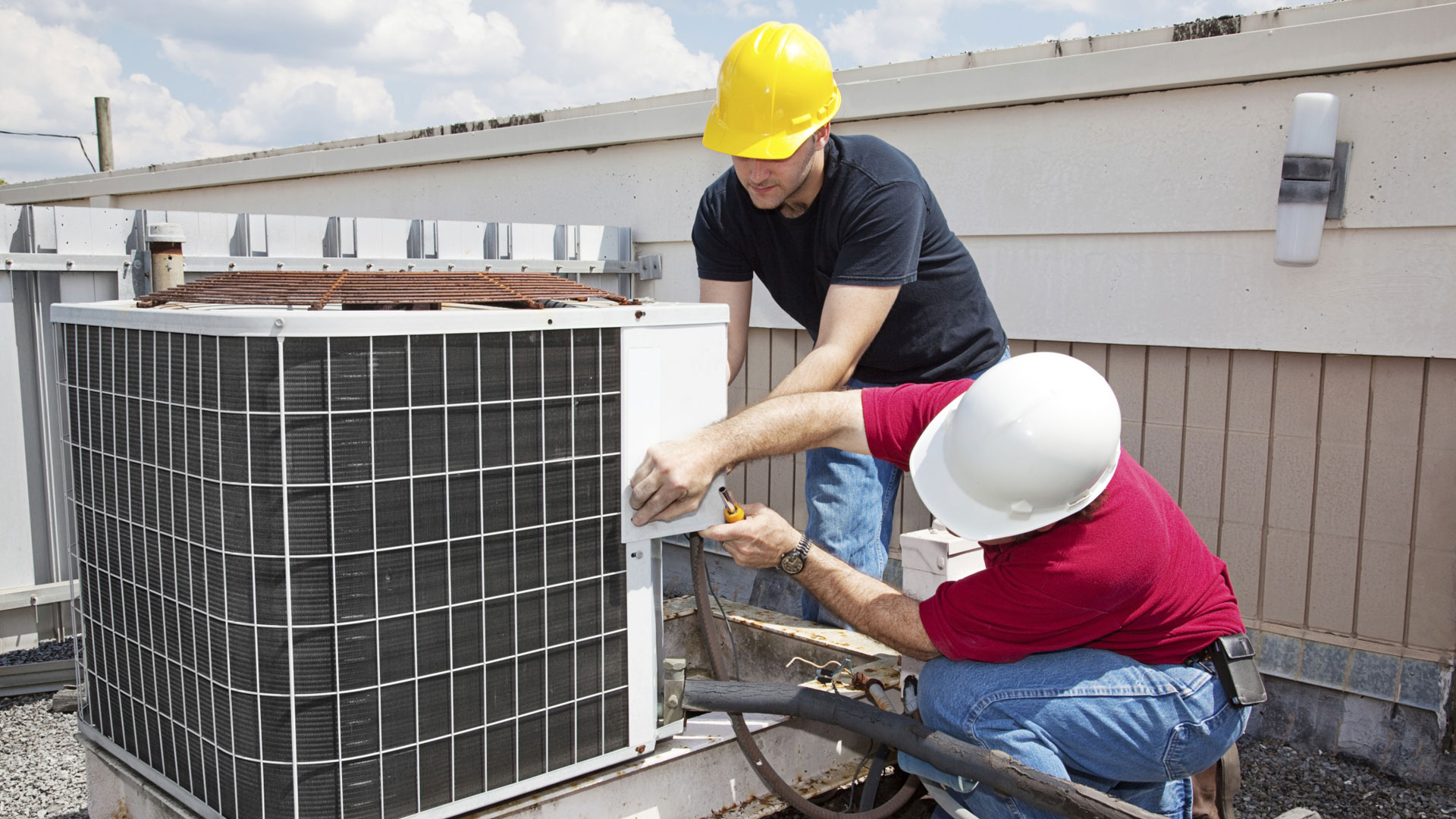
When your air conditioner stops working properly, it’s easy to assume the worst. However, many common cooling problems are caused by simple issues that homeowners can safely check before calling a professional. Performing a few basic troubleshooting steps may restore your system’s performance and help you avoid unnecessary service calls.
Before scheduling AC Repair, it’s worth taking a few minutes to inspect your system for common problems. While these checks won’t solve every issue, they can help identify minor faults and provide useful information if professional service is ultimately needed.
Why Basic Troubleshooting Is Helpful
Many air conditioning problems have straightforward causes that don’t require major repairs.
Taking a few simple steps can help you:
- Save time and money.
- Restore cooling quickly.
- Improve system efficiency.
- Identify minor issues before they worsen.
- Provide accurate information to a technician if repairs are necessary.
Always remember to follow safety precautions and avoid opening sealed electrical or refrigerant components.
Check the Thermostat
The thermostat is often the first place to look when an air conditioner isn’t cooling properly.
Make sure:
- The thermostat is set to Cool mode.
- The temperature setting is below the current room temperature.
- Batteries are replaced if required.
- The display is functioning properly.
Incorrect settings can easily prevent the system from operating as expected.
Inspect the Air Filter
A clogged air filter is one of the most common causes of poor cooling performance.
Dirty filters can lead to:
- Weak airflow.
- Higher energy bills.
- Frozen evaporator coils.
- Reduced cooling efficiency.
Inspect the filter monthly and replace it if it appears dirty or clogged.
Check the Circuit Breaker
If your air conditioner won’t turn on at all, inspect your home’s electrical panel.
Look for:
- A tripped breaker.
- A blown fuse.
- Power interruptions.
Reset the breaker once if necessary. If it trips repeatedly, contact a qualified technician rather than attempting additional resets.
Examine the Outdoor Unit
The outdoor condenser needs proper airflow to function efficiently.
Inspect the area for:
- Leaves and debris.
- Overgrown vegetation.
- Dirt buildup.
- Visible physical damage.
Carefully remove debris and maintain at least two feet of open space around the unit.
Make Sure Vents Are Open
Closed or blocked vents can reduce airflow throughout your home.
Walk through each room and ensure:
- Supply vents are fully open.
- Furniture isn’t blocking airflow.
- Curtains or rugs aren’t covering registers.
Proper airflow helps maintain even cooling.
Listen for Unusual Noises
Pay attention to any sounds your system makes during operation.
Common warning noises include:
- Grinding.
- Banging.
- Rattling.
- Squealing.
- Buzzing.
These noises often indicate mechanical issues that require professional inspection.
Look for Ice on the Unit
Ice forming on refrigerant lines or indoor coils is not normal.
Possible causes include:
- Dirty air filters.
- Restricted airflow.
- Low refrigerant.
- Blower problems.
If ice is present, turn the system off and allow it to thaw before contacting a technician if the problem continues.
Check for Water Leaks
Inspect around the indoor unit for signs of water accumulation.
Water may result from:
- Clogged condensate drains.
- Frozen coils.
- Drain pan damage.
Addressing water leaks promptly helps prevent mold growth and property damage.
Monitor Airflow
Weak airflow often indicates an underlying issue.
Possible causes include:
- Dirty filters.
- Blocked ducts.
- Blower motor problems.
- Frozen evaporator coils.
If airflow remains weak after replacing the filter, professional service may be required.
Watch for Unpleasant Odors
Unusual smells should never be ignored.
Different odors may indicate:
- Mold or mildew inside the system.
- Dust accumulation.
- Electrical overheating.
- Damaged wiring.
Persistent odors should be evaluated by a qualified HVAC technician.
When DIY Troubleshooting Isn’t Enough
Some air conditioning problems require specialized tools and training.
Contact a professional if you experience:
- Refrigerant leaks.
- Electrical problems.
- Warm air despite basic troubleshooting.
- Repeated breaker trips.
- Loud mechanical noises.
- Persistent poor cooling.
Attempting complex repairs without proper knowledge can lead to additional damage or safety risks.
Prevent Future Problems
Routine maintenance helps reduce the need for emergency repairs.
Good maintenance habits include:
- Replacing air filters regularly.
- Cleaning around the outdoor unit.
- Scheduling annual professional inspections.
- Keeping vents unobstructed.
- Monitoring system performance throughout the year.
Preventive care improves efficiency and extends the lifespan of your air conditioner.
Conclusion
Basic troubleshooting can often resolve minor air conditioning issues or help identify the cause before scheduling professional AC repair. Checking the thermostat, replacing dirty filters, inspecting the outdoor unit, and ensuring proper airflow are simple steps that may restore cooling and improve efficiency.
If these troubleshooting measures do not solve the problem, contacting a qualified technician is the safest way to prevent further damage and ensure your air conditioning system continues to operate reliably throughout the cooling season.
