

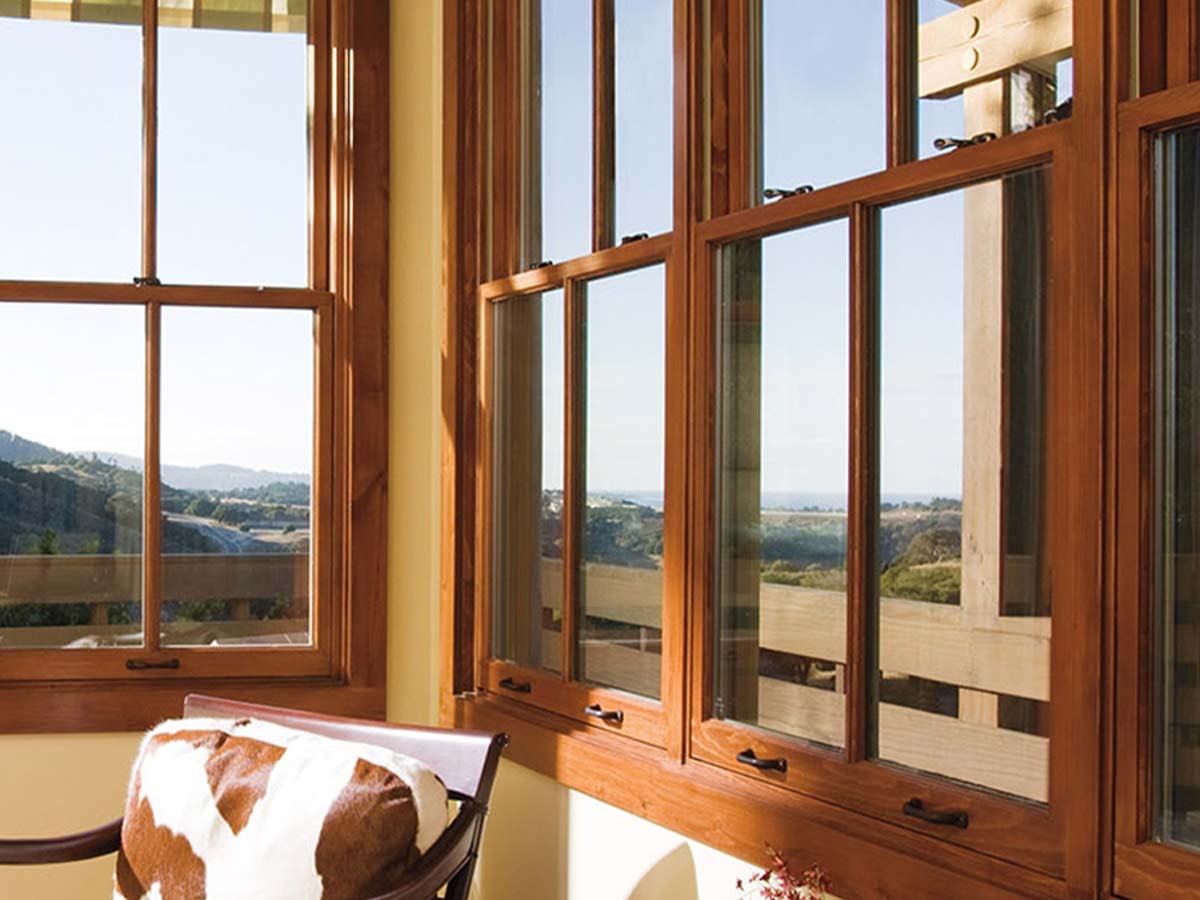
Upgrading your home with new windows can dramatically enhance energy efficiency, comfort, and curb appeal. Pella windows are known for their high-quality materials, innovative designs, and long-lasting durability, making them a top choice for homeowners looking to invest in reliable and stylish windows. Knowing what influences the cost of Pella windows is essential for planning your budget and avoiding unexpected expenses.
When considering pella window costs, multiple factors come into play, including window style, frame material, size, installation method, and optional features like energy-efficient glass or decorative accents. By understanding these elements, homeowners can make informed decisions that balance both aesthetics and functionality.
Why Pella Windows Are Worth the Investment
Pella windows are not just visually appealing; they also deliver exceptional performance and energy savings. The combination of craftsmanship, innovative technology, and customizable options makes Pella a premium choice for residential properties.
Key benefits include:
- Energy efficiency: Pella windows are designed to reduce heating and cooling costs with advanced insulation features.
- Durability: Resistant to warping, cracking, and weather damage, ensuring long-term performance.
- Low maintenance: Vinyl and fiberglass frames require minimal upkeep compared to traditional wood.
- Style variety: Available in multiple styles such as double-hung, casement, sliding, bay, and bow.
- Customization options: Choose finishes, hardware, and glass types to match your home’s design.
The blend of performance, longevity, and aesthetic appeal makes Pella windows an ideal choice for homeowners seeking both quality and beauty.
Factors That Affect Pella Window Costs
Several variables impact the price of Pella windows. Understanding these factors helps you anticipate costs and make smarter purchasing decisions.
1. Window Style
The style of the window plays a significant role in determining cost:
- Double-hung: Classic design with moderate pricing.
- Casement: Hinged windows that open outward, slightly more expensive.
- Sliding: Budget-friendly and practical.
- Bay and bow windows: Premium designs with higher costs due to complexity and installation.
2. Frame Material
The material of the frame affects both durability and price:
- Vinyl: Affordable, energy-efficient, and low-maintenance.
- Wood: Traditional, elegant, but requires regular care.
- Fiberglass: Extremely durable, energy-efficient, and low-maintenance; higher upfront cost.
3. Glass Type and Energy Efficiency
Advanced glass options enhance energy efficiency and comfort but may increase costs:
- Double or triple-pane glass
- Low-E coatings
- Argon gas insulation
- Specialty glass such as tinted or impact-resistant options
4. Window Size
Larger windows or custom dimensions increase cost due to higher material requirements and fabrication complexity. Standard-sized windows are generally more affordable and easier to install.
5. Installation Costs
Professional installation ensures proper sealing, alignment, and warranty coverage. Labor costs vary based on the number of windows, installation difficulty, and local rates. While experienced homeowners may attempt DIY installation, professional service ensures longevity and prevents potential issues.
6. Optional Features
Additional features like decorative grilles, upgraded hardware, and custom finishes improve aesthetics but add to the overall cost.
Average Pella Window Costs
Understanding typical price ranges helps homeowners budget for their window replacement projects:
- Vinyl windows: $300–$700 per window installed
- Wood windows: $600–$1,200 per window installed
- Fiberglass windows: $800–$1,500 per window installed
- Bay and bow windows: $1,200–$3,500+ per window installed
Standard windows generally range from $300 to $1,500, while premium or custom options may exceed $3,000 per window.
Comparing Pella Windows with Other Brands
| Feature | Pella | Andersen | Milgard | Simonton |
|---|---|---|---|---|
| Durability | High | High | Medium-High | Medium |
| Energy Efficiency | Excellent | Excellent | Good | Good |
| Maintenance | Low | Medium | Low | Medium |
| Cost | $300–$3,500+ | $400–$3,200+ | $250–$1,500+ | $200–$1,200+ |
| Style Options | Wide | Wide | Medium | Medium |
Pella is often preferred for its balance of energy efficiency, durability, and design flexibility, making it a strong choice for homeowners looking for long-term value.
Tips to Reduce Pella Window Costs
- Opt for standard sizes: Custom dimensions increase cost.
- Focus on energy efficiency: Features like Low-E glass and double-pane windows save on utility bills over time.
- Install multiple windows at once: Contractors may offer bulk discounts.
- Compare multiple quotes: Ensures competitive pricing and high-quality service.
- Look for seasonal promotions: Many dealers offer discounts during off-peak months.
Professional Installation Process
Professional installation is recommended for optimal performance and warranty protection.
Steps for installation:
- Remove old windows and prepare openings
- Verify measurements for new windows
- Install the window frame securely
- Seal edges to prevent air and water leaks
- Add trim, hardware, and finishing touches
- Test for smooth operation and proper sealing
Standard installations usually take 1–2 hours per window, while larger or custom windows may require several hours or a full day.
Maintaining Your Pella Windows
Pella windows are low-maintenance, but regular care ensures long-term performance:
- Clean glass with mild, non-abrasive cleaners
- Lubricate moving parts as needed
- Inspect and reseal caulking to prevent leaks
- Wash vinyl or fiberglass frames with soap and water
- Refinish wood frames every few years to preserve appearance
Proper maintenance extends energy efficiency, longevity, and overall beauty.
Voice Search-Friendly FAQ
Q: How much do Pella windows cost?
A: Vinyl windows cost $300–$700, wood $600–$1,200, fiberglass $800–$1,500, and bay/bow windows $1,200–$3,500+ installed.
Q: Are Pella windows energy-efficient?
A: Yes, they include Low-E glass, argon gas insulation, and double or triple panes for maximum efficiency.
Q: Can I install Pella windows myself?
A: DIY installation is possible, but professional installation ensures proper performance and warranty coverage.
Q: How long do Pella windows last?
A: With proper maintenance, Pella windows can last 20–30 years or more.
Q: Do decorative features increase cost?
A: Yes, grilles, upgraded hardware, and custom finishes will raise the overall price.
Conclusion
Pella windows offer a perfect combination of durability, energy efficiency, and customizable design, making them a top choice for homeowners seeking long-term value. Understanding the factors that influence pella window costs—including style, material, size, installation, and optional features—helps you budget effectively and make informed decisions. With professional installation and proper maintenance, Pella windows provide lasting beauty, comfort, and energy savings for decades.
