

School washrooms need fixtures that can handle frequent use, remain easy to clean, and suit students of different ages. During breaks, several students may use the facilities within a short period, placing extra demands on basins, faucets, drains, and surrounding surfaces. A poorly chosen fixture can lead to frequent maintenance, water spills, and uncomfortable washing conditions.
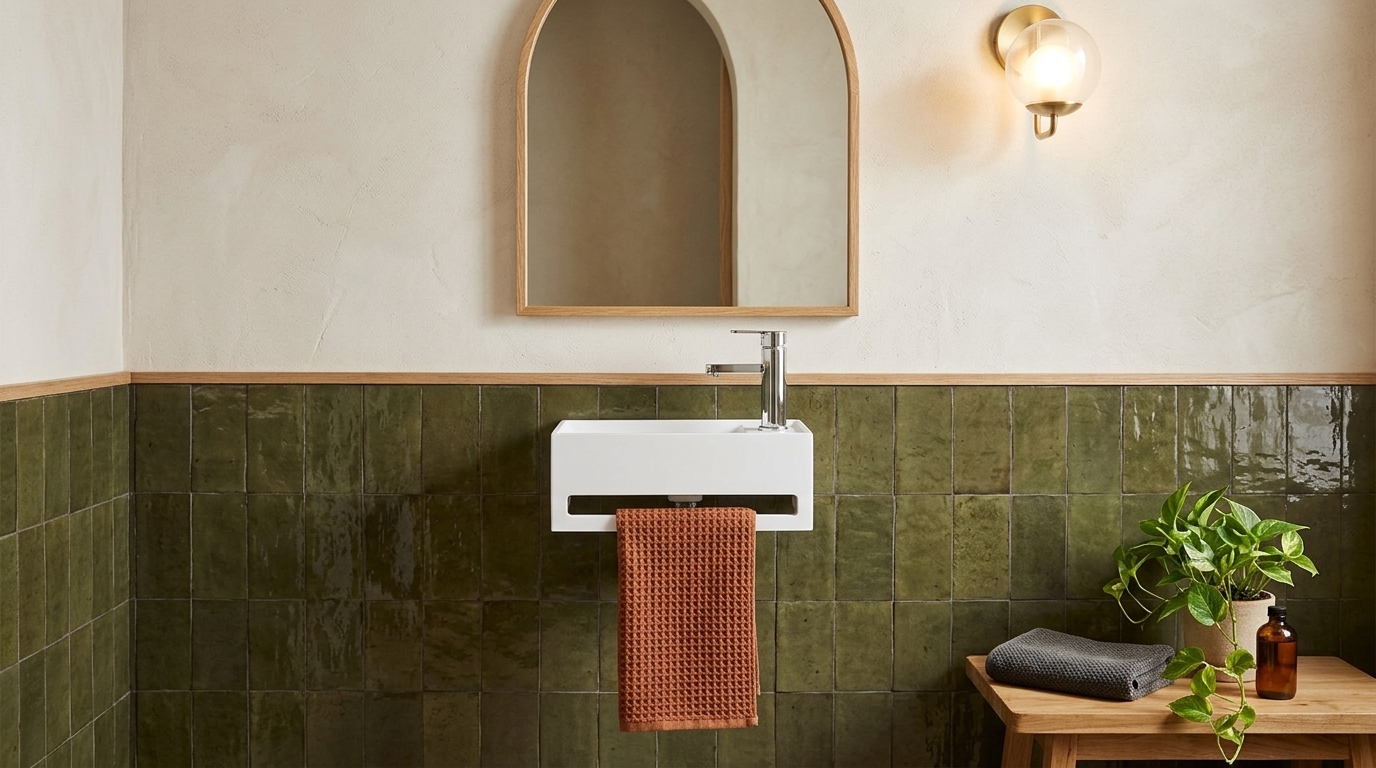
Space also affects the selection process, especially in older schools and buildings with compact toilet rooms. Installing small hand basins for toilets can provide a practical handwashing point without taking up the space required by a full-size basin. The right choice depends on student needs, expected usage, installation conditions, and the school’s cleaning routine.
Understand The Needs Of Different Age Groups
A school may serve young children, teenagers, teachers, and visitors. Each group has different requirements when using a washroom, so basin selection should reflect the age range of the students.
For younger children, a basin that sits too high can make handwashing difficult. They may stretch to reach the faucet or struggle to position their hands beneath the water stream. Lower installation heights or suitable step-free arrangements can make the fixture easier to use.
Secondary schools may need standard-height basins that accommodate older students and adults. In buildings serving several age groups, separate washroom layouts may provide a more comfortable arrangement.
Select A Basin Size That Fits The Available Space
School toilet rooms often have limited floor area, particularly in older educational buildings. The basin must fit comfortably without blocking doors, reducing movement space, or making the toilet difficult to access.
Before choosing a model, measure the available wall or countertop area. Include the space needed for the faucet, plumbing connections, and students standing in front of the fixture.
A compact basin should still provide enough room for proper handwashing. An extremely narrow or shallow bowl may cause water to spill onto nearby surfaces when students wash their hands quickly.
Prioritize Durable Materials For Frequent Use
School washroom fixtures receive repeated use throughout the day. Students may handle faucets roughly, place personal items near the basin, or accidentally knock objects against its surface. Material selection should account for this level of activity.
Ceramic remains a common option because its glazed surface is smooth and relatively easy to clean. It handles normal bathroom use well, although a strong impact may cause chips or cracks.
Solid surface materials offer another choice for educational facilities. Their non-porous surfaces can support routine cleaning, and some products allow minor surface damage to be repaired. The exact performance depends on the material formulation and manufacturer’s specifications.
When comparing options, check the following:
- Resistance to everyday wear and surface staining.
- Suitability for frequent cleaning.
- Strength around the rim and mounting points.
- Availability of replacement fittings.
- Manufacturer care instructions and warranty coverage.
Consider Basin Depth And Shape
The shape of a basin affects how comfortably students can wash their hands and how much water stays inside the bowl. A design with gently sloping sides helps guide water toward the drain rather than allowing it to collect near the edges.
Depth is equally important. A shallow bowl may suit a very narrow toilet room, but it can increase splashing when students turn on the tap at full pressure.
Rounded interiors often provide smooth water movement, while rectangular designs can make better use of certain wall or countertop layouts. The best option depends on the available space and the faucet arrangement.
Choose Faucets That Are Easy For Students To Operate
A basin is only practical when students can operate its faucet without difficulty. Traditional handles may work well in many schools, although young children can struggle with stiff or difficult controls.
Sensor-operated faucets offer a convenient alternative. They release water when users place their hands beneath the sensor, reducing the need to touch handles. These fittings may also help control water consumption when they include suitable flow settings.
Other useful features include:
- Simple controls that children can understand.
- A spout that directs water toward the center of the bowl.
- Moderate water pressure to reduce splashing.
- Easy access for maintenance and replacement.
- Durable fittings designed for frequent operation.
The faucet should match the basin’s dimensions. An outlet positioned too high or too close to the edge may cause water to splash onto floors and walls.
Make Cleaning And Maintenance Easier
School washrooms require regular cleaning to maintain acceptable hygiene standards. Basins with complicated shapes or difficult-to-reach surfaces can increase the time required for daily maintenance.
Smooth finishes and accessible edges make it easier for cleaning staff to remove soap residue, water marks, and dirt. Wall-mounted models may also leave more floor space available for mopping, depending on their design and installation height.
Maintenance teams should inspect the following areas during routine checks:
- Faucet handles and spout openings.
- Drain covers and waste fittings.
- Sealant around the basin.
- Mounting brackets and wall connections.
- Areas beneath the basin where leaks may occur.
A consistent maintenance schedule helps identify small problems before they lead to water damage or fixture failure.
Plan For Proper Drainage And Water Supply
A school basin needs reliable plumbing to support repeated use. Slow drainage can leave water standing in the bowl, making the washroom less convenient for students during busy periods.
The drain size and pipe arrangement should match the basin manufacturer’s specifications. Installers should also check that the waste fitting creates a secure connection and that the pipes have suitable gradients for water flow.
Water supply planning matters as well. Several students may use the washroom at once, so the system should provide a consistent flow without excessive pressure.
Leaking connections need prompt attention. Even a small leak can damage cabinets, walls, or flooring when it continues unnoticed.
Include Accessibility In The Washroom Layout
Educational buildings should provide washroom facilities that accommodate students with different physical needs. Basin placement, height, clearance, and faucet operation all affect accessibility.
Where accessible washrooms are required, the basin must meet the relevant local building standards. The design should provide suitable knee clearance where necessary and enough space for wheelchair users to approach and operate the fixture.
Controls should be easy to reach and use. Sensor faucets or lever-operated fittings may help students who have difficulty gripping traditional handles.
Schools should consult accessibility specialists or qualified building professionals when planning these facilities. This helps ensure the finished washroom supports independent use rather than creating additional obstacles.
Reduce Water Waste In Busy School Washrooms
Water consumption can become significant when dozens or hundreds of students use the same facilities every day. A suitable faucet and basin arrangement can help reduce unnecessary water use without making handwashing difficult.
Aerators mix air with water to create a steady stream with a lower flow rate. Sensor-operated faucets can also limit how long water runs when students leave taps open.
Schools can support these measures through simple hygiene guidance. Teaching students to turn off taps properly and avoid excessive water use helps reinforce responsible habits.
The drainage system should also remain clear so that water leaves the basin efficiently. Regular checks prevent blockages from affecting daily use.
Match The Basin Design With The School Building
The appearance of a washroom matters, but the design must also suit the building’s practical requirements. A newly constructed school may have more flexibility in plumbing locations and fixture placement than an older building undergoing renovation.
Wall-mounted basins can work well in narrow toilet rooms where floor space is limited. Countertop models may suit wider washrooms with shared vanity areas.
For renovation projects, check the existing water supply and drainage positions before selecting a replacement. Moving plumbing connections can increase installation costs and extend the time needed to complete the work.
When reviewing product options, kingkonree provides a range worth considering alongside the project’s dimensions, material requirements, and installation needs.
Create A Practical Installation And Replacement Plan
Schools should plan basin installation around their daily schedules. Work completed during holidays or scheduled maintenance periods can reduce disruption to students and staff.
Before installation begins, the project team should confirm:
- The basin dimensions and mounting requirements.
- The location of water supply and drainage connections.
- The required faucet type and installation height.
- The accessibility needs of the washroom.
- The availability of suitable cleaning and maintenance products.
- The time needed to complete installation and test the plumbing.
After fitting the basin, check its stability, water flow, drainage, and surrounding sealant. Staff should also know how to report leaks, loose fittings, or surface damage.
Conclusion
Choosing a basin for a school or educational building requires more than finding a fixture that fits a narrow space. Material durability, bowl depth, faucet operation, accessibility, and maintenance needs all influence how well it performs under frequent use.
A suitable basin should allow students to wash their hands comfortably while giving cleaning and maintenance teams a fixture they can manage easily. Careful planning helps educational facilities maintain cleaner washrooms, reduce avoidable repairs, and provide a better daily experience for students and staff.
