

Food packaging has evolved significantly as restaurants, takeaway businesses, and delivery services adapt to changing customer expectations. From traditional reusable containers to modern disposable packaging, businesses now have several options for storing, serving, and transporting prepared meals. Each packaging type offers different advantages depending on food characteristics, operational requirements, and customer preferences.
Among the available options, Fast Food Boxes have become increasingly popular because of their convenience, lightweight construction, and suitability for quick-service operations. However, traditional food containers continue to serve important purposes in restaurants, catering businesses, and household food storage. Understanding the differences between these packaging solutions can help food businesses make informed decisions.
What Are Fast Food Boxes?
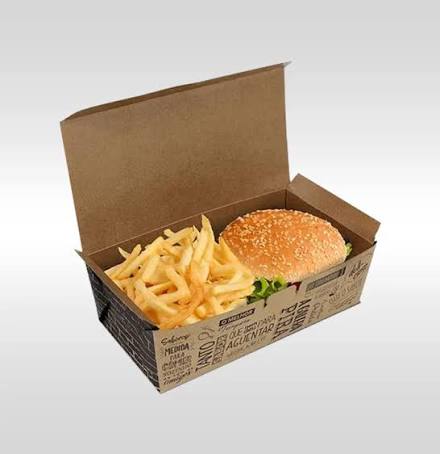
Fast food boxes are specially designed packaging products used to hold and transport ready-to-eat meals. They are commonly manufactured from paperboard, kraft paper, corrugated cardboard, and other food-contact-suitable materials.
These boxes are available in different shapes and sizes to accommodate burgers, sandwiches, fried chicken, fries, rice meals, and other takeaway products.
Their designs generally prioritize convenience, food protection, easy handling, and efficient storage. Many options also support custom printing, allowing restaurants to display their branding and product information.
What Are Traditional Food Containers?
Traditional food containers refer to conventional packaging and storage solutions used for serving, storing, and transporting food. Depending on the application, these containers may be made from plastic, glass, metal, ceramic, or other materials.
Reusable plastic containers, glass storage boxes, metal lunch containers, and conventional food tubs are common examples.
Unlike many disposable takeaway boxes, traditional containers are often designed for repeated use. They may offer advantages in durability, long-term storage, and resistance to repeated handling.
However, their weight, cleaning requirements, and storage needs can make them less convenient for certain fast-food operations.
Key Differences Between Fast Food Boxes and Traditional Food Containers
Although both packaging types serve the purpose of protecting food, they differ in several important areas.
1. Material and Construction
One of the most noticeable differences is the material used in manufacturing.
Fast food boxes commonly use paper-based materials because they are lightweight and can be formed into different shapes. Some designs include specialized coatings to improve grease and moisture resistance.
Traditional food containers often use materials such as plastic, glass, stainless steel, or aluminum. These materials provide different levels of durability, heat resistance, and reusability.
The appropriate material depends on the food product, expected temperature, storage duration, and intended packaging use.
2. Weight and Portability
Fast food boxes are generally lightweight, making them convenient for takeaway orders and delivery services.
Employees can handle multiple empty boxes without significant effort, and customers can carry packaged meals more easily.
Traditional containers made from glass or metal are usually heavier. Although durable, they may be less practical for businesses that need to transport large quantities of individual meals.
Lightweight packaging can therefore provide an operational advantage for quick-service restaurants.
3. Convenience and Ease of Use
Fast-food packaging is designed around quick preparation and convenient consumption.
Many boxes feature foldable structures, simple closures, and easy-to-open designs. Employees can assemble and fill them during busy service periods without complicated preparation.
Traditional reusable containers may require washing, drying, inspection, and storage before they can be used again.
While these processes are manageable in many food service environments, they may require additional labor and space.
4. Food Protection and Freshness
Both packaging categories can protect food, but their performance depends on the materials and design.
Fast food boxes can provide protection against external contaminants, physical damage, and accidental spills when properly designed. Ventilation features may also help manage steam from hot meals.
Traditional containers often provide more rigid structures and may offer secure airtight closures. This can make them suitable for refrigeration and longer-term storage.
However, airtight packaging is not always ideal for crispy foods because trapped moisture can affect texture.
5. Durability and Reusability
Traditional containers generally have an advantage when repeated use is required. Glass, metal, and durable plastic containers can often withstand multiple uses when properly maintained.
Fast food boxes are usually designed for single-use applications. Their structural performance is intended to support food packaging and transportation rather than repeated washing and reuse.
For restaurants, the choice depends on whether the priority is disposable takeaway convenience or long-term reusable storage.
6. Customization and Branding
Brand visibility is an important consideration for modern restaurants.
Paper-based fast-food packaging is particularly suitable for printing. Businesses can customize boxes with logos, colors, promotional messages, and product information.
Traditional containers can also be branded through labels, printed designs, and other identification methods. However, some materials and manufacturing processes may offer fewer customization possibilities or require different printing techniques.
Custom packaging can help restaurants create a recognizable identity across their takeaway and delivery services.
7. Storage and Space Requirements
Packaging storage affects the efficiency of restaurant operations.
Flat-packed fast food boxes can often be stored in compact spaces before assembly. Their lightweight construction also makes them relatively easy to handle when managing large inventories.
Traditional containers may require more storage space, particularly when they have rigid shapes or are not designed to nest or stack efficiently.
Businesses should consider available storage capacity when choosing between different packaging formats.
Advantages of Fast Food Boxes
Modern fast-food packaging offers several benefits that make it suitable for quick-service restaurants and takeaway businesses.
Efficient Food Service Operations
Fast food boxes support quick order preparation because many designs are simple to assemble and close. This is useful during busy periods when employees need to prepare multiple orders efficiently.
Lightweight Transportation
Their lightweight structure makes them convenient for food delivery and takeaway collection. Restaurants can package individual meals without adding unnecessary weight to delivery orders.
Variety of Packaging Designs
Fast food boxes are available in different sizes and structures. Businesses can select separate packaging for burgers, sandwiches, fries, chicken, and complete meals.
Convenient Disposal
Single-use packaging can simplify operations where collecting, washing, and returning reusable containers is impractical. However, disposal and recycling options depend on the material and local waste management systems.
Flexible Branding Opportunities
Custom printing allows restaurants to maintain consistent branding across different menu categories. This can improve product identification and create a more professional presentation.
Advantages of Traditional Food Containers
Although modern disposable boxes are useful for takeaway services, traditional containers continue to offer several important benefits.
Suitable for Repeated Use
Reusable containers can reduce the need for repeated purchases when they are properly maintained and used for suitable applications.
Strong Physical Protection
Rigid materials such as glass and metal can provide excellent structural protection. They are useful for storing food that requires a durable container.
Better for Certain Storage Applications
Airtight reusable containers can be suitable for refrigerated storage and keeping ingredients organized.
Long-Term Utility
Businesses and households may use traditional containers for food preparation, ingredient storage, meal planning, and transportation over extended periods.
Which Packaging Option Is Better for Different Food Businesses?
The best packaging choice depends on the business model and the type of food being served.
| Business Type | Suitable Packaging Consideration |
|---|---|
| Fast-food restaurants | Lightweight boxes for burgers, fries, and sandwiches |
| Food delivery services | Secure containers with suitable leak resistance |
| Cafeterias | A combination of takeaway and reusable containers |
| Catering businesses | Durable containers for bulk food transportation |
| Bakeries | Protective boxes for cakes, pastries, and baked goods |
| Meal preparation businesses | Reusable or disposable containers based on storage requirements |
Restaurants that provide both dine-in and takeaway services may benefit from using both packaging categories rather than relying on one solution.
Environmental Considerations: Disposable vs. Reusable Packaging
Environmental impact is another important difference between these packaging options.
Reusable traditional containers can reduce disposable packaging consumption when they are used repeatedly and returned through an effective reuse system. However, washing, transportation, and cleaning requirements also consume resources.
Paper-based fast food boxes may offer recycling opportunities depending on their material composition, coatings, food contamination, and local recycling infrastructure.
Businesses should evaluate the complete lifecycle of packaging instead of assuming that disposable or reusable options are automatically more sustainable.
Some important considerations include:
- Raw material sourcing and manufacturing processes.
- Energy and water consumption.
- Transportation requirements.
- Number of times reusable containers are used.
- Recycling and composting availability.
- Packaging weight and material consumption.
A practical packaging strategy should balance food safety, operational efficiency, customer convenience, and environmental responsibility.
Factors to Consider Before Choosing Food Packaging
Before selecting a packaging solution, businesses should evaluate their specific requirements.
Food Type and Temperature
Different foods require different levels of heat resistance, moisture protection, and ventilation. Packaging should be compatible with the expected serving and storage conditions.
Cost and Purchasing Volume
Restaurants should compare unit prices, minimum order quantities, storage expenses, and replacement costs.
Transportation Requirements
Food that travels long distances may require stronger containers and more secure closures to prevent damage or leakage.
Hygiene and Food Safety
All packaging materials should meet applicable food-contact requirements. Businesses should also maintain proper storage and handling practices.
Customer Expectations
Convenience, presentation, portability, and ease of disposal can influence customer satisfaction. Packaging should support the type of experience the business wants to provide.
The Role of Modern Packaging Manufacturers
Packaging manufacturers play an important role in developing products that meet the changing requirements of food businesses.
Modern production methods allow manufacturers to create different box shapes, sizes, thicknesses, and printing designs. Quality control processes also help ensure that packaging performs consistently during filling, stacking, and transportation.
Restaurants should evaluate suppliers based on material quality, production capabilities, customization options, food safety compliance, and delivery reliability.
Companies such as Uchampak participate in the food packaging industry by offering packaging solutions for different takeaway and food service applications.
Conclusion
Fast food boxes and traditional food containers serve different purposes within the food service industry. Fast food boxes offer lightweight construction, convenient handling, flexible designs, and practical solutions for takeaway and delivery operations. Traditional containers, meanwhile, provide durability, reusability, and advantages for food storage and repeated handling.
Neither option is universally better. The right choice depends on the type of food, business operations, transportation requirements, budget, and environmental priorities.
By understanding these differences, restaurants and takeaway businesses can develop packaging strategies that protect food quality, improve operational efficiency, and meet customer expectations.
