

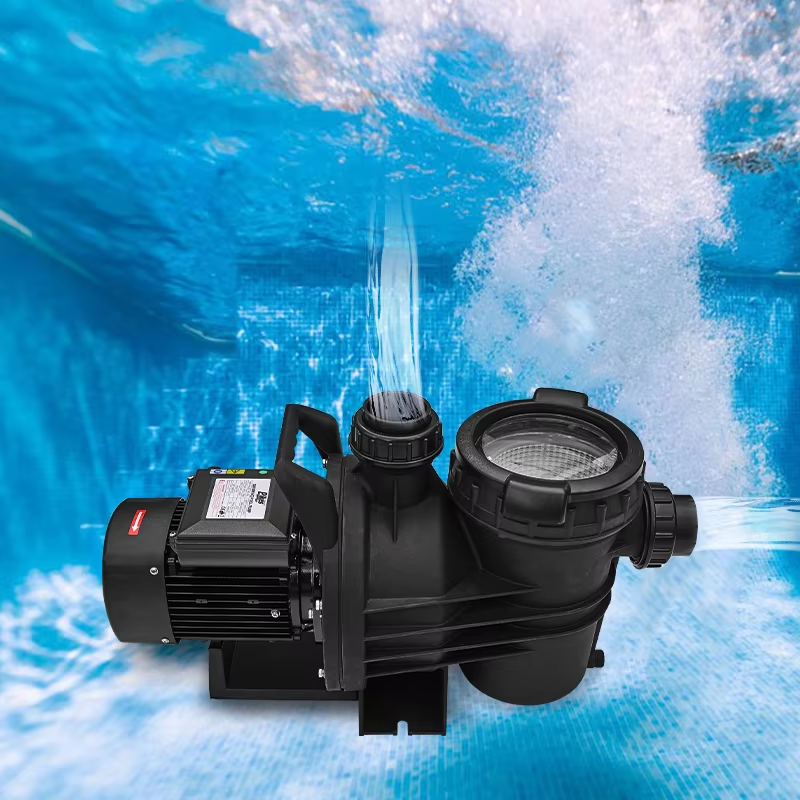
The pool equipment manufacturing industry is evolving as new technologies, changing customer expectations, and growing concerns about energy consumption influence product development. Swimming pool owners increasingly look for equipment that is efficient, reliable, easy to operate, and simple to maintain. Manufacturers are responding by improving traditional systems and introducing smarter solutions for circulation, filtration, heating, and water management.
Innovation is affecting more than the equipment itself. It is also changing how products are designed, tested, manufactured, and maintained throughout their service life. Understanding these developments helps homeowners, contractors, and commercial pool operators make better decisions when planning new installations or upgrading existing systems.
The Growing Importance of Innovation in Pool Equipment Manufacturing
Traditional pool equipment primarily focused on basic functions such as circulating water, removing particles, and maintaining suitable temperatures. Although these functions remain essential, modern pool systems are expected to deliver greater efficiency, convenience, and operational control.
Manufacturers are now exploring technologies that improve performance while reducing unnecessary energy use and maintenance requirements. Digital controls, advanced materials, improved motor designs, and automated monitoring are examples of developments influencing the industry.
These improvements are particularly valuable in applications where equipment operates frequently. Residential owners may benefit from lower operating costs and easier maintenance, while commercial facilities can use reliable technology to support consistent pool operations.
Energy-Efficient Pumps and Advanced Motor Technology
Pool pumps are among the most important components of a swimming pool system because they move water through filters and other treatment equipment. Their electricity consumption can contribute significantly to operating expenses.
One important innovation is the development of variable-speed pumps. Unlike traditional single-speed models that generally operate at a fixed speed, variable-speed pumps can adjust their output to suit different circulation requirements.
Lower speeds may be sufficient for routine filtration, while higher speeds can be used when additional flow is needed for certain cleaning tasks or water features. The potential savings depend on the system design, operating schedule, and local electricity costs.
Manufacturers are also improving motor designs and control systems to support more precise operation. When properly sized and configured, these technologies can help reduce energy consumption without compromising the circulation required by the pool.
Smart Pool Equipment and Automated Controls
Automation is changing how pool owners manage everyday operations. Modern control systems can coordinate compatible pumps, heaters, lighting, and selected water treatment functions through a central interface.
For residential pools, automation can simplify routine tasks by allowing users to schedule equipment operation and adjust settings without manually controlling every component.
Commercial pool operators may benefit from centralized monitoring across several systems. Depending on the technology, controls can provide operating information, identify abnormal conditions, and help staff investigate problems more quickly.
A Pool Equipment Manufacturer can be one starting point for exploring pool-related solutions and understanding the equipment options available for different applications.
However, automation does not eliminate the need for professional maintenance. Users still need to inspect equipment, test water chemistry, and verify that automated settings meet the pool’s actual operating requirements.
Advances in Filtration and Water Treatment
Filtration technology continues to develop as manufacturers seek better ways to remove suspended particles and support water clarity. Modern pool systems may use cartridge filters, sand filters, or other filtration technologies depending on the installation and maintenance preferences.
Product improvements can focus on filtration performance, water flow, ease of cleaning, and the frequency of required maintenance. Better system design can also help reduce unnecessary pressure losses and support efficient pump operation.
Water treatment technologies are evolving alongside filtration. Automated monitoring systems can measure selected water parameters and help operators identify when adjustments may be needed. Some systems can integrate with dosing equipment to support more consistent treatment.
These technologies must be selected carefully. No single filtration method removes every contaminant, and automated monitoring does not replace regular testing or appropriate disinfection. Maintaining safe water requires a complete management plan based on the pool’s use and applicable health requirements.
Sustainable Materials and Durable Product Design
Material selection is another area where innovation can influence product quality. Pool equipment is exposed to moisture, chemicals, temperature changes, and mechanical stress, so manufacturers must consider durability as well as cost.
Improved polymers, corrosion-resistant metals, seals, and protective coatings can help equipment withstand its intended operating environment. Better component design may also simplify servicing or reduce the likelihood of premature failure.
Sustainability extends beyond material choice. Equipment that lasts longer may require fewer replacements, while repairable designs can reduce waste. Manufacturers may also seek ways to improve production efficiency and minimize material waste.
Buyers should still verify that materials are suitable for their specific conditions. Saltwater pools, indoor installations, and facilities using particular water treatment chemicals may require different material specifications.
More Efficient Pool Heating Solutions
Heating is an important consideration for indoor pools, spas, and outdoor pools used during cooler weather. Traditional heating approaches can involve substantial energy consumption, particularly when water must be maintained at a consistent temperature for extended periods.
Heat pumps are one option for improving heating efficiency in suitable conditions. They transfer heat rather than generating all of it directly, although their performance depends on ambient temperature, equipment design, and the required water temperature.
Manufacturers continue to improve heat exchanger designs, controls, and system integration to help heating equipment operate more effectively. Better scheduling and suitable pool covers can also reduce heat loss and support lower energy use.
When comparing heating systems, buyers should consider heating capacity, climate suitability, installation requirements, operating costs, and maintenance needs. The most efficient choice depends on the particular pool and how it will be used.
Digital Monitoring and Predictive Maintenance
Equipment monitoring is becoming increasingly useful for identifying operating problems before they lead to major failures. Depending on the system, sensors and digital controls may track factors such as operating hours, temperature, pressure, flow, or motor performance.
This information can help maintenance teams identify unusual conditions that require inspection. For example, an unexpected change in pressure or flow may indicate a clogged filter, a plumbing restriction, or another problem that needs investigation.
More advanced systems may support predictive maintenance by using operating data to estimate when servicing could be necessary. These capabilities vary between products, and predictions are only as reliable as the available data and monitoring methods.
For commercial facilities, early identification of problems may reduce unplanned downtime. Residential owners can also benefit from clearer maintenance information and easier troubleshooting.
Modern Manufacturing Processes and Quality Control
Innovation is transforming the way pool equipment is produced as well as how it operates. Manufacturers may use computer-aided design, automated assembly processes, digital inspection systems, and more structured testing procedures to improve consistency.
Computer-based design tools can help engineers evaluate product dimensions, component arrangements, and performance requirements before production begins. Automated manufacturing can improve repeatability for suitable components, while inspection systems can help detect certain defects.
Testing remains essential. Pumps, filters, heaters, and electronic controls have different performance requirements, so manufacturers need appropriate methods for verifying that products function as intended.
Buyers can ask about testing procedures, relevant certifications, material specifications, and quality management practices. Clear documentation helps establish whether a product is suitable for the intended application.
Modular Designs and System Integration
Modern pool installations often combine equipment from several categories. Pumps, filters, heating systems, chemical treatment devices, and automation controls must work together to deliver reliable performance.
Modular equipment designs can make certain systems easier to install, maintain, and upgrade. Standardized connections and compatible control interfaces may also simplify integration, although compatibility must always be verified.
For example, a pool owner might upgrade an older pump while keeping an existing filter and heating system. Before making the change, the installer should confirm that the new pump’s flow range is appropriate for the other components and the plumbing configuration.
System integration can also support phased upgrades. Instead of replacing every component at once, owners may be able to improve efficiency gradually as budgets and equipment condition allow.
How Innovation Benefits Residential Pool Owners
Residential customers often value equipment that makes pool ownership easier and more affordable. Innovations in pump technology, automation, filtration, and heating can help address these priorities.
Potential benefits include:
- Lower electricity consumption when efficient equipment is properly selected and operated.
- Easier control of compatible pool systems.
- Better access to operating information and maintenance reminders.
- Improved convenience through programmable schedules.
- Reduced maintenance effort with suitable equipment designs.
- Greater flexibility when upgrading existing installations.
The actual benefits depend on the pool’s design, equipment compatibility, local climate, and usage patterns. Smart features may also increase upfront costs, so buyers should compare their practical value with the initial investment.
Innovation in Commercial Pool Applications
Commercial pools have additional operational demands because they may serve many swimmers and run for extended periods. Hotels, gyms, schools, and public aquatic centers need equipment that can support frequent use and consistent water management.
Innovative monitoring systems can help staff track equipment performance, while efficient pumps and heating solutions may reduce operating expenses. Improved access to maintenance information can also help facility managers schedule servicing around operating hours.
Commercial installations must account for capacity, reliability, service access, and regulatory requirements. Technology should support these needs rather than add complexity without a clear benefit.
Before selecting advanced equipment, operators should consider staff training, replacement-part availability, cybersecurity where connected systems are used, and the manufacturer’s technical support arrangements.
Challenges of Adopting New Pool Technologies
Although innovation offers many advantages, adopting new equipment can present challenges. Advanced systems may cost more initially, require specialized installation, or depend on software and components that must remain compatible over time.
Older pools may also need electrical, plumbing, or control-system modifications before new equipment can be installed. These additional costs should be included in the project budget.
Another consideration is long-term support. Buyers should confirm whether software updates are available, how replacement components can be obtained, and whether the manufacturer provides technical assistance for the expected service life of the product.
The best approach is to compare the complete cost and practical value of a technology rather than choosing it simply because it is new.
What to Consider When Choosing Innovative Pool Equipment
When comparing modern pool equipment, focus on measurable performance and suitability for the installation.
Consider the following factors:
- Efficiency: Review energy consumption and performance data under relevant operating conditions.
- Compatibility: Confirm that the equipment works with existing plumbing, electrical systems, and controls.
- Reliability: Examine product construction, testing information, and warranty coverage.
- Ease of maintenance: Check cleaning procedures, service access, and replacement-part availability.
- Automation features: Determine which functions can be controlled or monitored and whether they provide practical value.
- Total cost: Include purchase price, installation, energy, servicing, and likely replacement expenses.
- Technical support: Confirm access to documentation, troubleshooting resources, and qualified service providers.
Innovation should solve a real problem. For one pool, a variable-speed pump may provide the greatest benefit; for another, improved heating or better monitoring may be the more useful investment.
The Future of the Pool Equipment Manufacturing Industry
The industry is likely to continue developing around energy efficiency, connected controls, durable materials, and more flexible equipment designs. As digital monitoring becomes more accessible, manufacturers may provide clearer operating data and more integrated maintenance tools.
Sustainability will also remain an important consideration. Products that use energy more efficiently, last longer, and are easier to repair can help reduce operating expenses and resource consumption over time.
At the same time, manufacturers will need to balance new features with affordability, ease of use, product reliability, and long-term support. Successful innovation is not simply about adding technology; it is about improving the performance and practicality of pool systems.
Conclusion
Innovation is changing the pool equipment manufacturing industry through more efficient pumps, advanced filtration, automated controls, improved heating systems, durable materials, and data-supported maintenance. These developments can help residential owners simplify pool care and allow commercial operators to manage complex systems more effectively.
However, modern technology delivers the greatest value when equipment is correctly sized, compatible with the complete pool system, and supported by reliable maintenance practices. Buyers should compare technical specifications, operating costs, warranty terms, and service availability before making a decision.
By focusing on practical performance rather than novelty alone, pool owners and project managers can select equipment that supports dependable operation, efficient resource use, and long-term value.
