

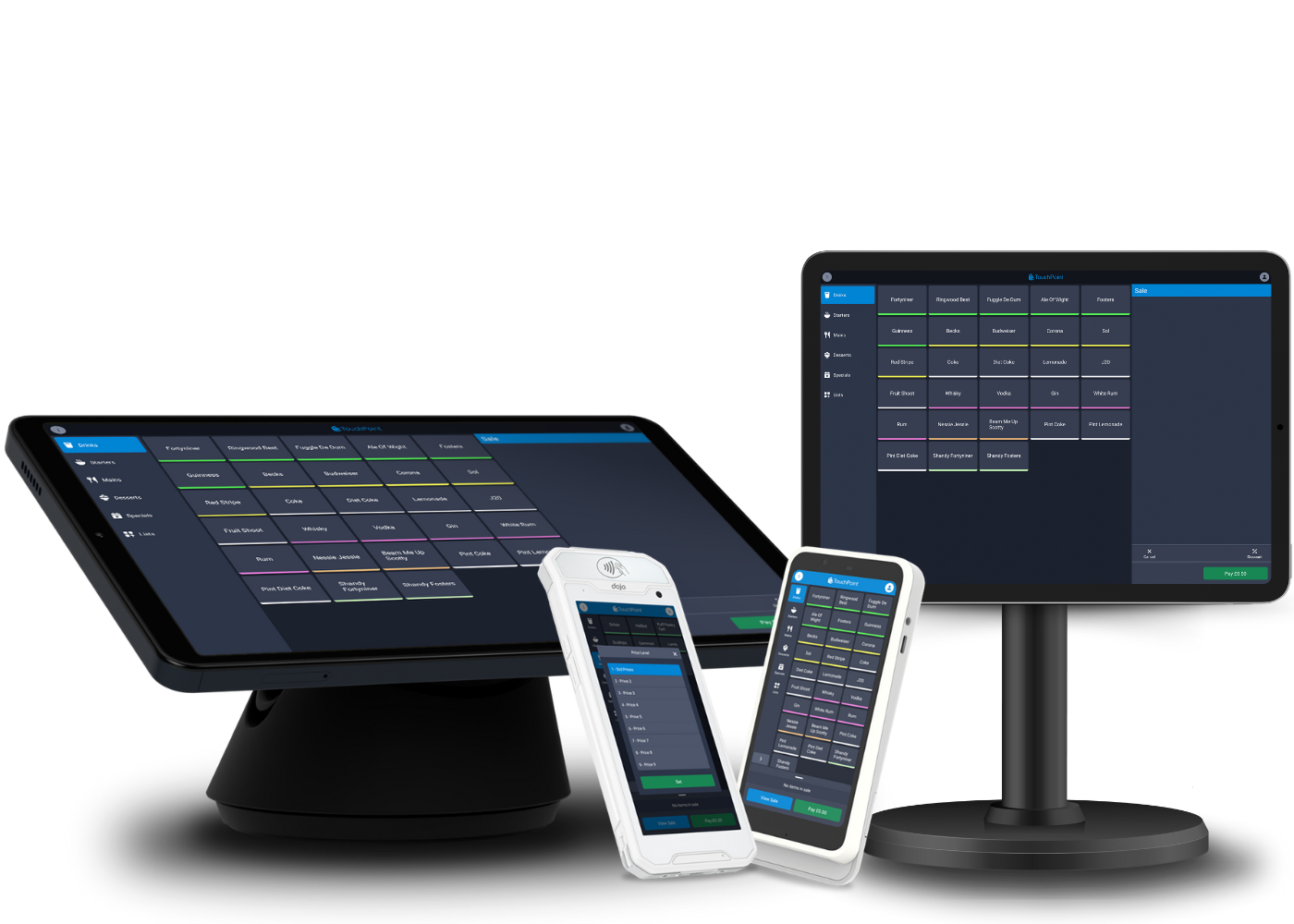
Technology continues to transform the way businesses manage transactions, customer relationships, and daily operations. Traditional checkout methods have evolved into advanced digital solutions that provide greater efficiency, automation, and business insights. As customer expectations and market demands continue to change, till system technology is becoming smarter, more connected, and more adaptable.
Businesses exploring future-ready solutions are increasingly focusing on a Till System that goes beyond payment processing. Modern systems now combine inventory management, analytics, customer engagement, and automated operations, helping businesses improve efficiency and make better decisions using real-time data.
The Growth of Cloud-Based Till Systems
Cloud technology is one of the biggest trends shaping the future of till systems. Instead of storing data only on local devices, cloud-based solutions allow businesses to securely manage information online.
Future cloud-based systems will continue to provide benefits such as:
- Remote access to sales and inventory data.
- Easier management of multiple locations.
- Automatic software updates.
- Improved data backup and recovery.
- Greater flexibility for business expansion.
Cloud connectivity allows business owners to monitor operations from anywhere while maintaining better control over their activities.
Artificial Intelligence and Smart Automation
Artificial intelligence (AI) is expected to play a larger role in future till system development. AI-powered solutions can analyze large amounts of business data and provide useful insights automatically.
Potential AI-driven features include:
- Sales forecasting.
- Inventory demand prediction.
- Personalized customer recommendations.
- Automated pricing suggestions.
- Fraud detection.
These capabilities help businesses reduce manual tasks and make faster, data-driven decisions.
Advanced Payment Technologies
Payment technology continues to evolve as customers look for faster and more convenient checkout options. Future till systems will support an increasing variety of digital payment methods.
Emerging payment trends include:
- Contactless transactions.
- Mobile wallet payments.
- QR code payments.
- Biometric authentication.
- Integrated online and in-store payments.
Supporting flexible payment options will remain essential for businesses that want to provide a convenient customer experience.
Improved Customer Personalization
Customer expectations are shifting toward more personalized interactions. Future till systems will use customer data and analytics to help businesses create more targeted experiences.
Advanced customer features may include:
- Personalized promotions.
- Automated loyalty programs.
- Purchase history analysis.
- Customer preference tracking.
These tools allow businesses to build stronger relationships and encourage repeat purchases.
Smarter Inventory Management
Inventory management will become increasingly automated as technology advances. Future till systems will provide more accurate stock monitoring and predictive insights.
Businesses may benefit from:
- Automatic restocking recommendations.
- Real-time inventory visibility.
- Demand forecasting.
- Multi-location inventory control.
Smarter inventory tools help reduce waste, prevent shortages, and improve supply chain efficiency.
Greater Integration With Business Platforms
Future till systems will become more connected with other business applications, creating a complete digital ecosystem.
Integration with platforms such as:
- Accounting software.
- E-commerce platforms.
- Customer management systems.
- Marketing tools.
- Supply chain solutions.
will help businesses reduce manual processes and maintain consistent information across different operations.
Enhanced Security and Data Protection
As digital transactions increase, security will remain a major focus in till system innovation. Future solutions will include stronger protection methods to safeguard customer and business information.
Expected security improvements include:
- Advanced encryption.
- Multi-factor authentication.
- Real-time fraud monitoring.
- Secure cloud storage.
- Automated security updates.
Stronger security measures will help businesses maintain customer trust in an increasingly digital marketplace.
Mobile and Self-Service Solutions
Mobile technology is changing the way customers interact with businesses. Future till systems will increasingly support mobile checkout options and self-service solutions.
Examples include:
- Tablet-based checkout systems.
- Self-service kiosks.
- Mobile employee checkout devices.
- Digital receipts.
These innovations can reduce waiting times and create more flexible shopping experiences.
Conclusion
The future of till system technology is focused on automation, connectivity, personalization, and improved security. Cloud computing, artificial intelligence, advanced payments, and smarter inventory tools are transforming till systems into powerful business management platforms. As technology continues to advance, businesses that adopt innovative till solutions will be better equipped to improve efficiency, enhance customer experiences, and remain competitive in a rapidly changing marketplace.
