

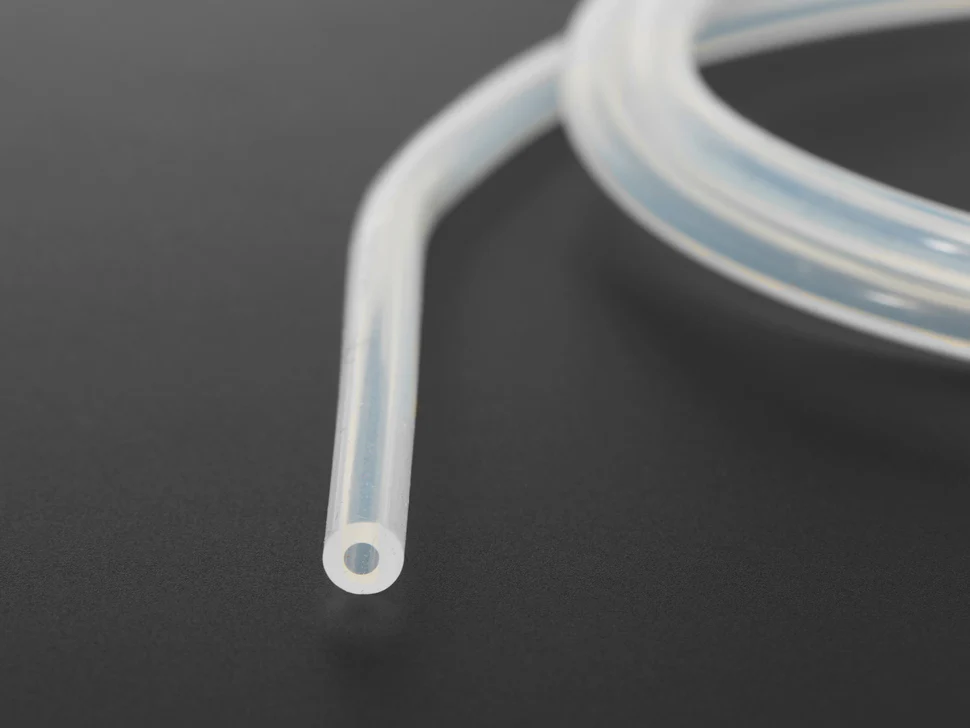
Silicone tubing is widely used in industries such as medical devices, pharmaceuticals, food processing, biotechnology, automotive systems, and industrial manufacturing. Because these sectors often operate on strict timelines and require consistent product quality, evaluating a manufacturer’s production capacity is a critical step before forming a partnership. Production capacity determines whether a supplier can meet demand reliably without delays or quality issues.
A manufacturer’s ability to scale production while maintaining consistency directly impacts supply chain stability. Businesses often begin by researching a trusted Silicone Tube Manufacturer to understand how production systems are structured and whether they can support both current and future demand. Evaluating production capacity goes beyond machine count; it involves analyzing efficiency, scalability, workforce expertise, and quality control systems.
Understanding Production Capacity in Silicone Manufacturing
Production capacity refers to the maximum volume of silicone tubing a manufacturer can produce within a specific timeframe while maintaining consistent quality standards. It includes not only the physical output but also the ability to meet customization requirements, manage large orders, and maintain timely delivery schedules.
A strong production capacity ensures that a manufacturer can handle fluctuations in demand without compromising product quality or delivery timelines. This is especially important for industries that rely on continuous operations, such as healthcare and industrial manufacturing.
Assessing Manufacturing Infrastructure and Equipment
One of the first indicators of production capacity is the manufacturer’s infrastructure. Advanced machinery and modern production facilities play a major role in determining output efficiency.
Silicone tubing is typically produced using extrusion systems that require precision control over temperature, pressure, and material flow. Manufacturers with multiple extrusion lines and automated systems can produce higher volumes while maintaining consistent quality. Cleanroom facilities are also important for medical and pharmaceutical-grade tubing, where contamination control is essential.
Evaluating the condition and capability of manufacturing equipment helps determine whether a supplier can meet large-scale production needs.
Evaluating Workforce Expertise and Technical Skills
A skilled workforce is just as important as advanced machinery. Operators, engineers, and quality control specialists play a key role in maintaining production efficiency and product consistency.
Experienced technicians ensure that machines are properly calibrated, production processes run smoothly, and quality standards are consistently met. Manufacturers with well-trained staff are better equipped to handle complex production requirements and minimize errors during manufacturing.
Workforce expertise also contributes to faster problem-solving and improved operational efficiency.
Production Scalability and Flexibility
Scalability is a key factor when evaluating a silicone tube manufacturer’s production capacity. A reliable manufacturer should be able to increase or decrease production volumes based on customer demand.
Scalable production systems allow manufacturers to handle both small custom orders and large bulk shipments without delays. This flexibility is especially important for businesses experiencing growth or seasonal demand fluctuations.
Manufacturers with flexible production planning systems can adjust schedules, allocate resources efficiently, and maintain consistent output even during peak demand periods.
Lead Time and Delivery Performance
Lead time is another important indicator of production capacity. It refers to the time required to complete an order from production to delivery.
Manufacturers with strong production capacity typically offer shorter and more predictable lead times. This is achieved through efficient workflow management, optimized production planning, and reliable supply chain coordination.
Consistent delivery performance ensures that customers can maintain uninterrupted operations without delays caused by material shortages or production bottlenecks.
Quality Control and Production Consistency
High production capacity is only valuable if it is accompanied by consistent quality. Manufacturers must ensure that increased output does not compromise product standards.
Quality control systems should be integrated into every stage of production, including raw material inspection, in-process monitoring, and final product testing. Common tests include dimensional accuracy checks, pressure resistance evaluation, and chemical compatibility testing.
Consistent quality across large production volumes indicates a well-managed and capable manufacturing system.
Inventory Management and Raw Material Availability
Production capacity is closely linked to raw material availability and inventory management. Manufacturers must maintain sufficient stock of high-quality silicone materials to avoid production delays.
Efficient inventory systems ensure that raw materials are always available when needed, reducing downtime and improving overall productivity. Strong supplier relationships also contribute to stable material sourcing and uninterrupted production.
Technology Integration and Automation
Modern silicone tube manufacturers often use automation and digital systems to enhance production capacity. Automated extrusion lines, robotic handling systems, and real-time monitoring tools help improve efficiency and reduce human error.
Technology integration allows manufacturers to increase output while maintaining precision and consistency. It also enables better tracking of production data, which helps optimize processes and improve long-term performance.
Ability to Handle Custom Orders at Scale
Many industries require customized silicone tubing solutions. A capable manufacturer should be able to produce custom designs at scale without compromising quality or efficiency.
This includes variations in size, color, hardness, reinforcement, and material composition. Manufacturers with strong production capacity can seamlessly integrate customization into large-scale production processes.
This ability ensures that businesses receive tailored solutions even when ordering in high volumes.
Conclusion
Evaluating a silicone tube manufacturer’s production capacity involves analyzing multiple factors, including infrastructure, workforce expertise, scalability, lead times, quality control, and technology integration. Each of these elements contributes to the manufacturer’s ability to deliver consistent and reliable products.
A strong production capacity ensures that businesses receive high-quality silicone tubing on time, even during periods of high demand. By carefully assessing these factors, companies can choose a manufacturing partner that supports long-term growth, operational efficiency, and supply chain stability.
