

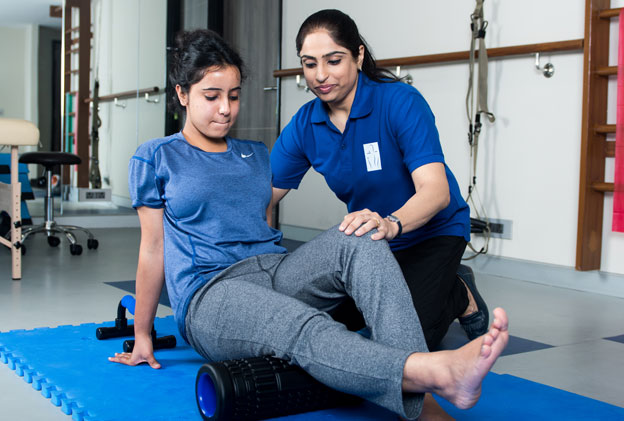
Recovering from an injury, surgery, or chronic condition can be challenging, especially when mobility is limited or travel is difficult. Physiotherapy at home provides a practical and effective solution by bringing professional care directly to the patient’s residence. This approach ensures that individuals receive the necessary treatment without the stress of commuting, making rehabilitation more accessible and consistent. Home-based physiotherapy supports faster recovery, promotes independence, and allows patients to integrate therapy seamlessly into their daily routines.
Why Choose Physiotherapy at Home Services
Accessing physiotherapy at home services ensures that patients receive personalized care in a familiar and comfortable environment. Trained physiotherapists design treatment plans tailored to individual needs, whether addressing post-surgical recovery, mobility challenges, chronic pain, or injury rehabilitation. By evaluating the home setting, therapists can provide safe exercise routines, suggest modifications, and teach strategies that prevent accidents while enhancing daily function.
Home physiotherapy is particularly valuable for seniors, individuals with disabilities, or patients with limited transportation options, ensuring that effective care is accessible to all.
Key Benefits of Home-Based Physiotherapy
Personalized and Focused Care
Physiotherapy at home allows therapists to concentrate entirely on the patient’s specific needs without distractions. Each session is customized based on the patient’s condition, goals, and progress, ensuring more effective outcomes compared to a standard clinic environment.
Comfortable and Stress-Free Environment
Receiving therapy at home eliminates the stress and fatigue associated with travel. Patients can engage in rehabilitation within their own space, making them feel more relaxed and receptive to treatment. This comfort often translates into better compliance with exercises and faster recovery.
Enhanced Safety and Convenience
For patients with limited mobility or balance issues, traveling to a clinic can pose risks. Home physiotherapy reduces the likelihood of falls and ensures that exercises are performed safely. Therapists can also suggest modifications in the home environment, such as grab bars, supportive seating, or safe walking paths, to enhance overall safety.
Continuous Monitoring and Progress Tracking
Therapists can monitor patients in their actual living environment, identifying practical challenges and adjusting exercises accordingly. This real-world assessment ensures that patients develop functional strength and mobility that directly improves their ability to perform daily activities.
Cost-Effective and Time-Saving
Eliminating travel expenses and reducing time spent commuting to a clinic makes home physiotherapy more convenient and economical. Patients can schedule sessions at flexible times, reducing interruptions to daily routines and work commitments.
Common Conditions Treated with Home Physiotherapy
- Post-Surgical Rehabilitation: Recovering from orthopedic or general surgery with guided exercises and mobility training.
- Stroke Recovery: Improving movement, balance, and coordination through targeted therapies.
- Chronic Pain Management: Addressing back pain, arthritis, or joint discomfort with tailored exercise programs.
- Mobility Support: Strengthening muscles, improving flexibility, and enhancing balance for seniors or those with limited movement.
- Injury Recovery: Rehabilitation for sprains, fractures, or sports injuries with personalized care plans.
How Home Physiotherapy Works
Initial Assessment
The physiotherapist begins with a detailed evaluation of the patient’s condition, history, and home environment. This assessment identifies limitations, risks, and functional goals, forming the foundation of a customized treatment plan.
Personalized Treatment Plan
Based on the assessment, therapists design exercises and interventions tailored to the patient’s needs. This may include strength training, stretching, balance exercises, posture correction, and manual therapy techniques.
Guided Exercise Sessions
Therapists supervise exercises to ensure proper form, provide feedback, and adjust intensity according to the patient’s progress. This hands-on guidance minimizes the risk of injury and ensures that each exercise contributes effectively to rehabilitation.
Education and Lifestyle Recommendations
Home physiotherapy also emphasizes patient education. Therapists teach proper movement techniques, suggest modifications for daily activities, and provide guidance on posture, ergonomics, and home safety. Patients learn to integrate these practices into their daily routines for long-term benefits.
Regular Progress Monitoring
Therapists continuously track progress and adjust treatment plans to ensure steady improvement. This includes increasing exercise difficulty, introducing new techniques, or modifying routines to meet evolving needs.
Maximizing the Benefits of Physiotherapy at Home
- Consistency is Key: Regular sessions and adherence to home exercises improve recovery speed.
- Open Communication: Share feedback about pain, comfort, and challenges with the therapist.
- Create a Safe Space: Ensure adequate room, supportive surfaces, and minimal hazards for exercises.
- Combine with Healthy Lifestyle Choices: Balanced nutrition, hydration, and rest enhance recovery.
- Follow Therapist Guidance: Avoid overexertion or skipping exercises to ensure steady improvement.
Choosing the Right Home Physiotherapy Service
When selecting a provider, consider:
- Qualified and Experienced Therapists: Ensure staff are trained in home-based rehabilitation.
- Customized Treatment Programs: Plans should address individual needs, limitations, and goals.
- Flexible Scheduling: Providers should offer sessions at convenient times.
- Positive Reviews and Testimonials: Feedback reflects quality of care and patient satisfaction.
- Comprehensive Support: Services should include assessment, exercise guidance, education, and progress monitoring.
Long-Term Impact of Home Physiotherapy
Physiotherapy at home promotes long-term independence, improved mobility, and better overall quality of life. Patients regain strength, reduce pain, and develop confidence in their ability to perform daily activities safely. By combining therapeutic exercises with education and lifestyle guidance, home-based physiotherapy fosters sustained improvements in function, health, and well-being.
Supporting Independence and Quality of Life
For seniors or individuals with chronic conditions, home physiotherapy offers more than recovery—it enhances independence, reduces reliance on caregivers, and improves overall confidence. Patients can navigate their homes safely, perform routine tasks efficiently, and enjoy a higher standard of living.
Final Thoughts
Physiotherapy at home services offer a convenient, effective, and personalized approach to rehabilitation and wellness. By bringing professional care to the patient’s residence, these services remove barriers to treatment, enhance safety, and support faster recovery. Engaging with a trained physiotherapist ensures that exercises, guidance, and monitoring are tailored to individual needs, promoting long-term functional improvement and improved quality of life.
Investing in home physiotherapy allows patients to recover effectively, regain independence, and maintain physical health in a comfortable and supportive environment. Consistent care at home is a practical solution that combines convenience, safety, and professional expertise for lasting wellness.
