

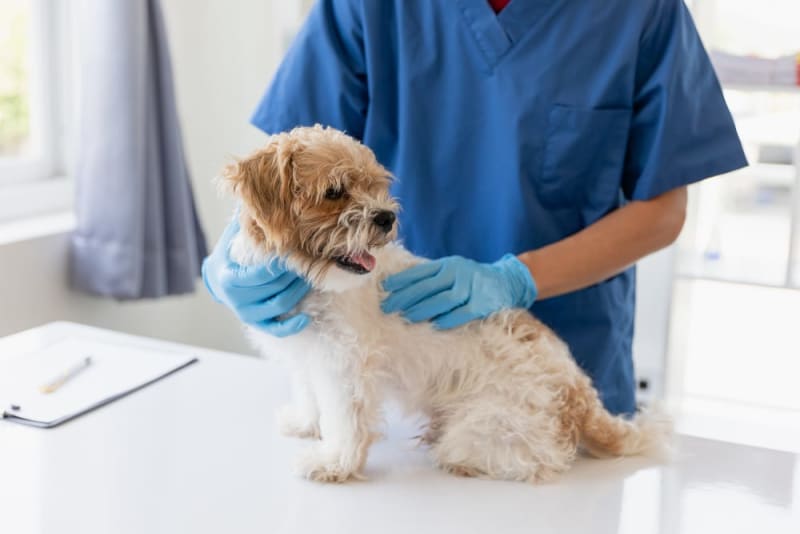
Pets are more than companions—they are family members who rely on us for their health, safety, and wellbeing. While regular check-ups and preventive care are essential, unexpected accidents or sudden illnesses can occur at any time, requiring urgent attention. This is where an emergency pet clinic becomes a vital resource for pet owners, providing immediate, professional care when it matters most.
Emergency veterinary clinics are equipped to handle critical situations that cannot wait for a routine appointment. From severe injuries to acute illnesses, these clinics ensure that pets receive the necessary interventions promptly, potentially saving lives.
Understanding Emergency Pet Care
Emergency pet care focuses on providing rapid diagnosis, treatment, and stabilization for pets in critical conditions. Unlike regular veterinary visits, emergency clinics operate with specialized equipment, trained staff, and protocols designed for urgent medical situations.
Common scenarios that require emergency care include:
- Trauma from accidents or falls
- Severe allergic reactions
- Difficulty breathing
- Seizures or neurological events
- Sudden vomiting, diarrhea, or lethargy
- Poisoning or ingestion of harmful substances
Prompt action in such situations can be the difference between life and death, making emergency pet clinics indispensable for pet owners.
Services Offered by an Emergency Pet Clinic
Emergency clinics provide a wide range of services tailored for urgent medical needs:
Critical Care and Stabilization
Emergency veterinarians are trained to stabilize pets experiencing severe trauma or shock. This includes administering fluids, oxygen therapy, pain relief, and medications to stabilize vital signs.
Advanced Diagnostics
Rapid diagnostics are essential in emergencies. Emergency clinics utilize tools such as digital X-rays, ultrasounds, blood tests, and laboratory analysis to identify underlying conditions quickly and accurately.
Surgery and Procedures
Some emergencies require immediate surgical intervention, such as internal injuries, blockages, or fractures. Emergency pet clinics are equipped with surgical facilities to perform life-saving procedures promptly.
Intensive Monitoring
Pets in critical condition require close monitoring. Emergency clinics provide 24-hour observation to track vital signs, administer medications, and ensure recovery is progressing safely.
Poisoning and Toxicity Management
Pets can accidentally ingest harmful substances, including household chemicals, plants, or human medications. Emergency clinics are equipped to manage poisoning cases through detoxification, antidotes, and supportive care.
The Importance of Quick Response
Time is a critical factor in emergency veterinary care. Delayed treatment can worsen the condition, increase the risk of complications, and reduce the chances of recovery. Recognizing the signs of a medical emergency and seeking immediate care is crucial.
Some warning signs that warrant a visit to an emergency clinic include:
- Severe or persistent bleeding
- Difficulty breathing or gasping
- Loss of consciousness
- Sudden collapse or severe weakness
- Continuous vomiting or diarrhea
- Seizures or abnormal neurological behavior
Preparing for an Emergency
While emergencies are unpredictable, pet owners can take steps to be prepared:
- Keep the contact information of the nearest emergency pet clinic readily available
- Know your pet’s medical history, including medications, allergies, and previous conditions
- Transport pets safely using carriers or supportive blankets
- Remain calm to reduce stress for your pet during transport
Being prepared ensures that pets receive rapid care without unnecessary delays.
Advantages of Using an Emergency Pet Clinic
Using a professional emergency pet clinic offers several benefits:
- Expertise: Experienced veterinarians trained in urgent care provide accurate diagnosis and treatment.
- Specialized Equipment: Advanced medical equipment allows for precise interventions.
- 24/7 Availability: Many emergency clinics operate round the clock, ensuring care is available whenever needed.
- Life-Saving Interventions: Prompt care can prevent serious complications and save lives.
- Peace of Mind: Owners gain confidence knowing that professional help is always accessible.
Integrating Emergency Care with Routine Veterinary Services
Emergency care complements routine veterinary visits. Regular check-ups, preventive care, vaccinations, and wellness monitoring help reduce the risk of emergencies. However, accidents and sudden illnesses can still occur, making access to an emergency clinic a vital part of a comprehensive pet healthcare plan.
Emergency clinics also collaborate with regular veterinarians to ensure continuity of care, sharing medical records, and following up on treatment plans. This integrated approach enhances the overall health and longevity of pets.
Final Thoughts
Pets enrich our lives with companionship, loyalty, and love, and they deserve the best medical care available. An emergency pet clinic plays a crucial role in providing immediate, professional, and compassionate care during critical situations.
By understanding the services offered, recognizing the signs of emergencies, and being prepared for unexpected situations, pet owners can ensure their companions receive timely care. Investing in access to an emergency clinic is a proactive step toward safeguarding the health, safety, and wellbeing of beloved pets, ensuring they continue to thrive and enjoy life alongside their human families.
