

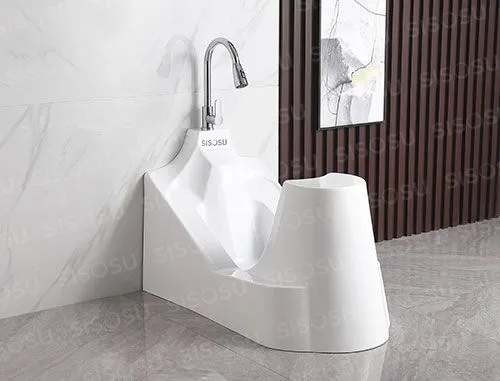
A foot wash sink is a practical addition to homes, religious facilities, gyms, and healthcare centers, offering a convenient way to maintain hygiene. However, the efficiency and longevity of this fixture heavily depend on proper plumbing. Without correctly installed water supply and drainage systems, even the best-designed sink can become a source of frustration, leaks, or sanitation issues. Understanding the importance of proper plumbing ensures both functionality and safety.
Selecting a high-quality foot wash sink is the first step toward a reliable setup, but installation is equally critical. Proper plumbing ensures that water flows efficiently, temperatures are consistent, and drainage prevents puddling or backflow. A professional installation guarantees that the unit operates optimally while minimizing potential maintenance problems. Additionally, compliant plumbing prevents water damage to surrounding areas, safeguarding floors and walls in both residential and commercial settings.
Ensuring Adequate Water Supply
A key component of proper plumbing for a foot wash sink is providing a consistent and adequate water supply. Pipes must be correctly sized to accommodate the expected flow rate, especially in facilities with multiple users. For sinks that combine hand and foot washing, separate water lines or diverter systems can enhance functionality, allowing users to switch between basins effortlessly.
Using quality fittings and valves is also essential to prevent leaks and ensure long-term durability. Temperature control systems or mixer taps provide a comfortable washing experience and protect against scalding, which is particularly important in homes with children or elderly users.
Proper Drainage and Waste Management
Effective drainage is critical for hygiene and safety. Water should exit the basin quickly, preventing standing water that could harbor bacteria or cause slippery surfaces. The plumbing system should include a properly sized trap to prevent odors and maintain a clean environment. In commercial or high-traffic areas, larger drains may be necessary to handle frequent use without overflow.
In addition to standard drainage, ensuring the plumbing connects correctly to the main sewage system is vital. Avoiding unnecessary bends and maintaining smooth pipe gradients improves water flow and reduces the risk of blockages. Well-planned drainage not only keeps the area hygienic but also lowers maintenance demands over time.
Preventing Water Damage
Incorrect plumbing can lead to leaks, water seepage, and structural damage. Foot wash sinks are often placed in areas with tiled floors or wooden surfaces, which can be damaged by persistent moisture. Sealing connections properly, using durable materials, and ensuring precise alignment of pipes are crucial steps in preventing water-related problems.
Routine inspection and maintenance of the plumbing system further protect the surrounding environment. Regularly checking for leaks, corrosion, or loose fittings ensures that the foot wash sink continues to function safely and efficiently for years.
Enhancing Hygiene and User Experience
Proper plumbing directly affects user experience. A well-installed foot wash sink delivers steady water flow, adequate pressure, and effective drainage, making the washing process comfortable and efficient. This is particularly important in facilities such as gyms, mosques, or wellness centers where many people use the sink multiple times a day.
Good plumbing also supports overall hygiene. By preventing water stagnation, leaks, and overflow, the system minimizes the risk of bacteria growth and maintains a clean environment for everyone. Combining functionality with ease of maintenance creates a foot wash area that is both practical and inviting.
Choosing Professional Installation
Given the technical requirements of water supply, drainage, and trap installation, professional plumbing is strongly recommended for foot wash sinks. Certified plumbers ensure compliance with local building codes, optimize water flow, and prevent common issues like backflow or blockages. Professional installation also offers peace of mind, knowing the system is safe, durable, and effective.
Conclusion
Proper plumbing is essential for the functionality, safety, and hygiene of a foot wash sink. From ensuring adequate water supply and effective drainage to preventing leaks and water damage, every aspect of the plumbing system contributes to a seamless user experience. By investing in quality fixtures and professional installation, homeowners and facility managers can enjoy a reliable, efficient, and sanitary foot wash zone that meets daily hygiene needs while protecting the surrounding environment.
